

King Charles III to Address U.S. Congress During Historic State Visit
A Royal Visit Marking a Major Milestone
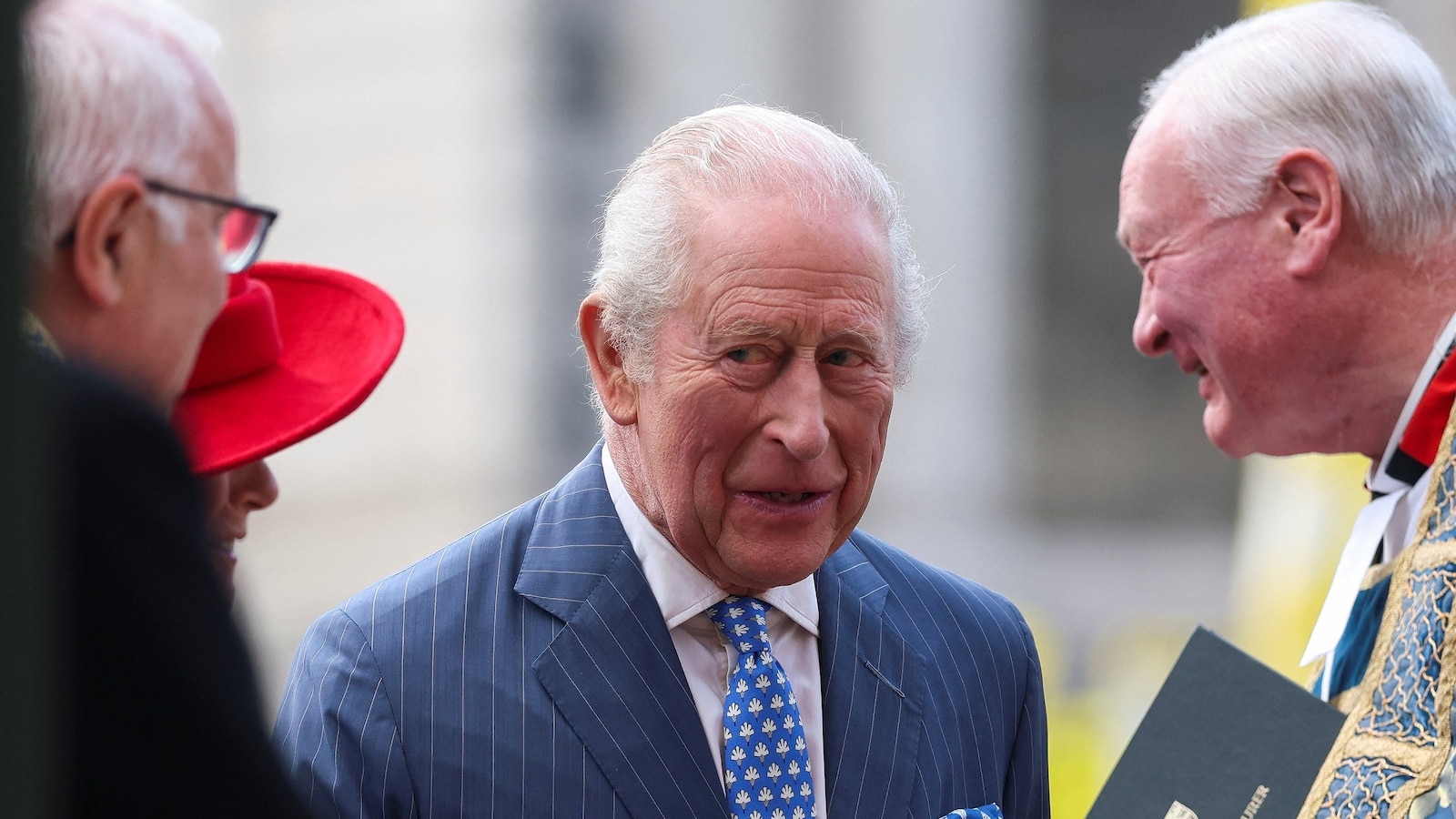
King Charles III is preparing for a significant trip across the Atlantic, scheduled to address a joint session of the United States Congress on April 28 as part of his state visit to America. The announcement, made through a collaborative statement by top Congressional leaders on Tuesday, highlights the special nature of this visit, which coincides with America’s 250th anniversary of independence. The British monarch’s address will take place during a state visit spanning from April 27 to April 30, as confirmed by President Donald Trump. This parliamentary address represents more than just diplomatic protocol—it’s a symbolic gesture recognizing the deep historical and contemporary bonds between two nations whose histories have been intertwined since before America’s founding. The invitation came jointly from House Speaker Mike Johnson, Senate Majority Leader John Thune, Senate Minority Leader Chuck Schumer, and House Minority Leader Hakeem Jeffries, demonstrating rare bipartisan unity in extending this honor to the British sovereign.
Celebrating Shared Heritage and Enduring Friendship
The Congressional leaders’ statement eloquently captured the essence of why this visit holds such significance for both nations. They acknowledged that as the United States celebrates its 250th year of independence, it’s important to recognize the British traditions and philosophical foundations that helped shape American democracy. “The American experiment endures in no small part because of the British tradition from which it sprang,” the statement read, acknowledging the complex relationship between the former colony and its mother country. This recognition doesn’t diminish American independence but rather celebrates how democratic ideals evolved and crossed the Atlantic, ultimately creating what both nations refer to as the “special relationship.” Speaker Johnson took to social media platform X to emphasize this point, noting that the United States and United Kingdom “share one of the most consequential partnerships in history.” This partnership has weathered two world wars, the Cold War, and numerous global challenges, consistently demonstrating that shared values and mutual interests can transcend historical grievances and create lasting alliances that benefit both nations and the broader international community.
A Platform for Future Vision
Congressional leaders expressed their belief that King Charles’s address will provide “a unique opportunity to share your vision for the future of our special relationship and reaffirm our alliance at this pivotal time in history.” This language suggests expectations that the King will speak not just about historical ties but about contemporary challenges and future collaboration. King Charles has been known throughout his decades as Prince of Wales for his advocacy on issues like climate change, sustainable development, and interfaith dialogue—topics that resonate globally and particularly in the United States. His address to Congress will likely touch upon these shared concerns while reinforcing the diplomatic, economic, military, and cultural connections that bind the two nations. The timing of this visit, during America’s semiquincentennial celebrations, provides a natural framework for reflecting on how far both nations have come since 1776 while looking forward to the challenges and opportunities of the 21st century. It’s worth noting that addresses to joint sessions of Congress by foreign dignitaries are relatively rare honors, typically reserved for the closest allies and most significant diplomatic moments, underscoring the importance both nations place on this relationship.
Navigating Tense Geopolitical Waters
The state visit comes during a particularly complicated moment in transatlantic relations, particularly concerning NATO and military cooperation. President Trump’s administration has been pressuring NATO allies, including Britain, to join ongoing U.S.-Israeli military operations in Iran. This pressure has created friction within the alliance, with many European members, including the United Kingdom, declining to participate in what they view as a conflict outside their national interests. In a Wednesday interview, President Trump went so far as to say he is considering withdrawing the United States from NATO entirely—a statement that sent shockwaves through diplomatic circles in Washington and European capitals. This backdrop of tension makes King Charles’s visit even more significant, as it will require careful navigation of diplomatic sensitivities. The British monarchy traditionally stays above partisan politics, but a state visit inevitably carries political implications, particularly when the host nation is experiencing internal debates about its international commitments and the guest’s nation is a key member of a military alliance under strain.
Britain’s Steadfast Position
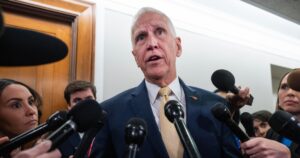
British Prime Minister Keir Starmer has been clear and consistent about the UK’s position on these contentious issues. At a Wednesday press conference, Starmer firmly stated that Britain remains fully committed to NATO—the defensive alliance that has been a cornerstone of European and transatlantic security since 1949. However, regarding the U.S.-Israeli war in Iran, Starmer was equally clear: “This is not our war.” The Prime Minister acknowledged facing “a good deal of pressure on me to change my position in relation to joining the war” but stated unequivocally, “I’m not going to change my position on the war.” Starmer emphasized that his decisions must be guided by British national interests, a principle that any sovereign nation would claim. This stance reflects a broader European reluctance to expand military commitments beyond what alliance obligations require, particularly in Middle Eastern conflicts that many European leaders believe don’t directly threaten their security. The Prime Minister’s comments also highlight a delicate balance: maintaining the special relationship with the United States while asserting independent judgment on military engagements—a balance that Britain has had to strike repeatedly throughout the post-World War II era.
Congressional Safeguards and Looking Forward
Adding another layer of complexity to discussions about NATO, Congress passed legislation in 2023 that significantly constrains any presidential impulse to withdraw from the alliance unilaterally. This law requires that any decision to leave NATO must receive two-thirds approval in the Senate or be authorized through an act of Congress—a high bar that reflects strong bipartisan support for the alliance among American lawmakers, even as executive branch positions may fluctuate. This legislative safeguard provides reassurance to European allies, including Britain, that American commitment to collective defense remains strong despite periodic presidential rhetoric. As King Charles prepares for his address to Congress, he will be speaking to an institution that has historically been more consistently supportive of international alliances than individual administrations might be. The King’s visit, therefore, represents an opportunity to speak directly to the American people and their elected representatives about shared values and common interests that transcend temporary political disagreements. Whether discussing climate change, economic cooperation, democratic values, or security challenges, King Charles will be addressing a Congress and a nation at a crossroads, celebrating its past while determining its future role in the world. The success of this visit may well be measured not just in the warmth of the ceremonial welcome but in whether it helps reinforce the institutional and popular support for transatlantic cooperation that has benefited both nations for generations.