


King Charles Faces Family Crisis as Brother Andrew Arrested on Serious Charges
Royal Family in Turmoil Following Historic Arrest
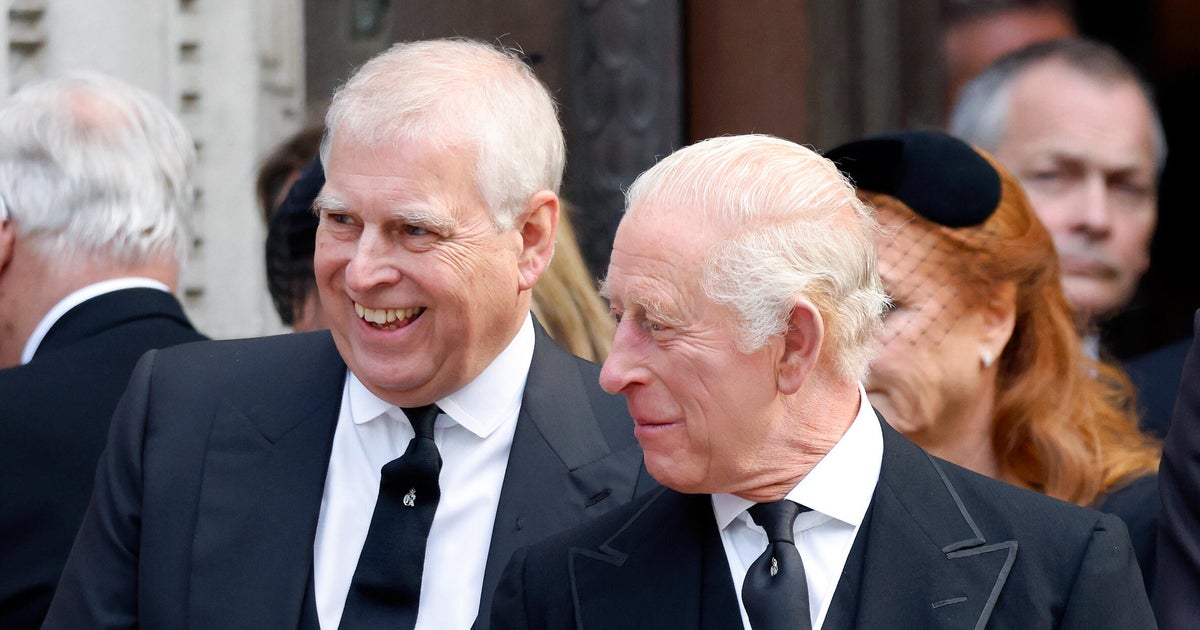
In an unprecedented moment for the British monarchy, King Charles III has found himself in the deeply uncomfortable position of publicly addressing the arrest of his own brother. The man formerly known as Prince Andrew, now referred to as Andrew Mountbatten-Windsor after being stripped of his royal titles, was arrested on Thursday on his 66th birthday. The arrest came on suspicion of misconduct in public office, charges connected to revelations found in documents related to the late convicted sex offender Jeffrey Epstein. In a carefully worded statement, King Charles expressed his “deepest concern” about the situation while making it abundantly clear that he supports the legal process running its course without interference. “Let me state clearly: the law must take its course,” the King declared, setting a firm boundary between his family responsibilities and his constitutional duty to uphold justice. This moment represents not just a personal crisis for the monarch, but a defining test of whether the modern British monarchy can truly hold itself accountable to the same standards as ordinary citizens.
The King’s Measured Response to an Unprecedented Situation
King Charles III’s statement walking the tightrope between family loyalty and institutional integrity reflected the gravity of the situation. The monarch acknowledged learning “with the deepest concern” about the news regarding Andrew Mountbatten-Windsor and the suspicions of misconduct. However, rather than offering any defense or expressing personal sentiment beyond concern, Charles emphasized that what follows must be “the full, fair and proper process by which this issue is investigated in the appropriate manner and by the appropriate authorities.” He pledged the royal family’s “full and wholehearted support and cooperation” with investigators, a promise that Buckingham Palace had already made public the previous week. The King made it clear he would not be making further comments while the investigation is ongoing, and that the rest of the royal family would “continue in our duty and service to you all.” This approach appears designed to demonstrate that the monarchy respects the rule of law while maintaining the dignity and continuity of the institution itself, even as one of its most prominent members faces serious legal jeopardy.
The Background: From Prince to Pariah
The arrest of Andrew Mountbatten-Windsor represents the culmination of years of scandal and controversy that have gradually stripped him of his position, titles, and reputation. His troubles began with his friendship with Jeffrey Epstein, the American financier who was convicted of sex offenses and died in prison in 2019 under circumstances officially ruled a suicide. American woman Virginia Giuffre accused Andrew of engaging in sexual acts with her when she was a teenager, claiming she had been trafficked by Epstein for this purpose. Andrew consistently denied these accusations, but the damage to his reputation proved catastrophic. In a disastrous television interview, his attempts to explain his relationship with Epstein and refute the allegations only intensified public criticism. Last year, King Charles took the extraordinary step of stripping his brother of his royal titles amid the intense scrutiny. The current arrest stems from separate allegations that emerged approximately two weeks earlier when documents indicated Andrew had shared confidential government information with Epstein during his time serving as a British trade envoy, raising questions about whether he violated his public office for personal reasons.
A Voice for Victims: The Giuffre Family Responds
In a poignant twist to this already tragic story, the family of Virginia Giuffre issued a statement following Andrew’s arrest that gave voice to the pain and hope felt by those who believe powerful people have evaded justice for too long. Tragically, Giuffre herself died by suicide last year, never seeing this moment of accountability. Her family expressed that “our broken hearts have been lifted at the news that no one is above the law, not even royalty.” This statement underscores what many see as the broader significance of this case beyond the specific allegations against Andrew. For years, critics have argued that the wealthy and powerful operate under a different system of justice than ordinary people, and that members of royal families in particular exist in a protected sphere where consequences rarely reach them. The Giuffre family’s words reflect the hope that this case might represent a genuine shift—a demonstration that even someone born into one of the world’s most privileged families can be held to account when credible allegations of wrongdoing emerge. Their statement adds an emotional weight to the proceedings, reminding everyone that behind the legal procedures and royal protocols are real people whose lives have been profoundly affected.
The Investigation Moves Forward: Police Searches and Potential Consequences
Following the arrest, police announced they were conducting searches at addresses in Berkshire and Norfolk, likely properties connected to Mountbatten-Windsor. This development signals that investigators are treating these allegations with utmost seriousness and are actively gathering evidence. Buckingham Palace had already indicated the previous week that the royal family would cooperate fully if approached by police with questions about Andrew’s conduct. A palace spokesperson stated that “The King has made clear, in words and through unprecedented actions, his profound concern at allegations which continue to come to light in respect of Mr. Mountbatten-Windsor’s conduct.” While emphasizing that the specific claims are for Andrew himself to address, the spokesperson confirmed that the palace stands “ready to support” Thames Valley Police “as you would expect.” The stakes could hardly be higher for the accused. If Andrew is eventually charged and convicted of misconduct in public office, he faces a maximum possible sentence of life in prison under British law. This severe potential penalty reflects how seriously the British legal system treats abuses of public position and trust, particularly when they involve sharing confidential government information.
The Monarchy at a Crossroads: Accountability and the Future
This crisis arrives at a particularly sensitive time for the British monarchy. King Charles ascended to the throne following the death of his mother, Queen Elizabeth II, who had reigned for seventy years and commanded deep respect even from many republicans. Charles faces the challenge of maintaining public support for the institution in an era when deference to traditional authority has significantly diminished and calls for accountability have grown louder. How he handles his brother’s legal troubles will likely be seen as a test of whether the monarchy can adapt to modern expectations of transparency and justice. By publicly stating that “the law must take its course” and promising full cooperation with investigators, Charles appears to be drawing a clear line—the institution will not shield wrongdoers, even when they’re family members. This approach may help preserve public faith in the monarchy by demonstrating it doesn’t consider itself above the law. However, the King must also navigate the deeply human reality that this is his brother facing potential life imprisonment. The world will be watching to see how the investigation unfolds and whether the British justice system truly does treat a former prince the same way it would treat any other citizen accused of similar offenses. For the monarchy, the anti-corruption organization, the Giuffre family, and the British public, this case represents far more than one man’s alleged wrongdoing—it’s a test of whether centuries-old institutions can meet twenty-first-century standards of justice and accountability.