
Congress Narrowly Fails to Rein in Trump’s Military Authority Against Iran
A Razor-Thin Vote Reflects Deep Division
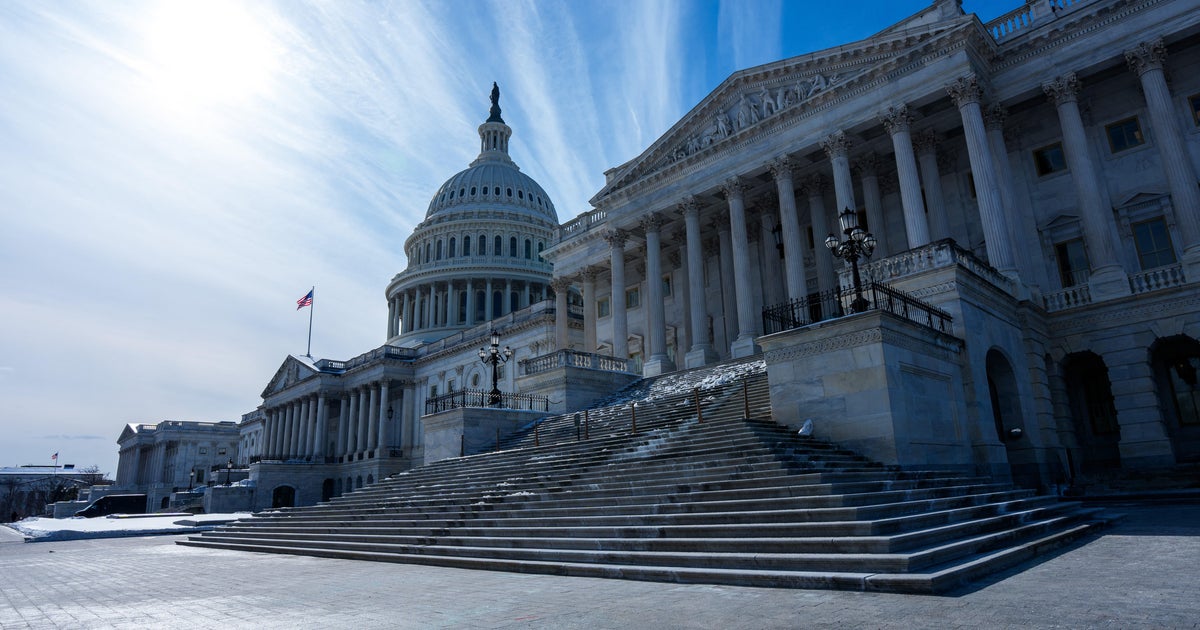
In a dramatic showdown on Capitol Hill this Thursday, the House of Representatives came within a single vote of blocking President Trump from continuing military operations against Iran. The war powers resolution, championed by Democratic Representative Gregory Meeks from New York, fell heartbreakingly short with a final tally of 213 in favor to 214 against, and one member voting present. This incredibly close margin—literally one vote away from passage—highlights just how divided Congress has become over a conflict that’s now stretching into its third month with no clear end in sight. Despite President Trump’s repeated assurances over recent weeks that the war would conclude “soon,” lawmakers are growing increasingly frustrated with what they see as an open-ended military engagement without proper congressional oversight. The vote represents more than just numbers on a tally sheet; it’s a reflection of mounting anxiety about America’s role in yet another Middle Eastern conflict and questions about whether the executive branch has too much unchecked power when it comes to declaring war.
Escalating Threats Prompt Renewed Congressional Action
The urgency behind this latest congressional effort to limit presidential war powers didn’t emerge from nowhere. Democrats in both chambers of Congress felt compelled to act after President Trump made what many considered an extraordinarily disturbing threat last week. The president warned that he would “eradicate a whole civilization” unless Iran agreed to reopen the Strait of Hormuz, the narrow but critically important waterway through which a substantial portion of the world’s oil supply travels. This wasn’t just tough talk—it was a threat against civilian populations and infrastructure that crosses lines most lawmakers thought were firmly established. Following this inflammatory statement, the already fragile peace talks between the United States and Iran completely collapsed during negotiations in Pakistan, despite a two-week ceasefire that had offered a glimmer of hope. To make matters even more tense, the U.S. has now established a blockade preventing vessels from using Iranian ports, effectively strangling the country’s maritime trade. These escalating actions have left many in Congress feeling that the situation is spiraling dangerously out of control, with the president making decisions that could have catastrophic humanitarian and geopolitical consequences without meaningful input from the legislative branch that’s supposed to share responsibility for declarations of war.
Minimal Republican Support Despite Growing Unease
While President Trump’s threat to target Iran’s civilian infrastructure did cause some Republicans to privately express discomfort and concern, this unease translated into very little actual opposition when it came time to vote. In the House vote on Thursday, only one Republican—Representative Thomas Massie of Kentucky—crossed party lines to vote with Democrats in favor of limiting the president’s war authority. Another Republican, Representative Warren Davidson of Ohio, chose to vote “present” rather than taking a clear position either way. These two lawmakers were notably the same Republicans who had broken ranks with their party during a similar vote back in early March, showing a consistency in their constitutional concerns that their colleagues haven’t matched. The Senate told a similar story earlier in the week when a Democratic-led resolution failed on Tuesday with support from just a single Republican senator. This near-universal Republican support for the president’s military actions comes despite what appears to be growing private concerns about the direction and duration of the conflict, revealing the powerful pull of party loyalty even when constitutional principles and concerns about civilian casualties are at stake.
Democrats Show Shifting Support as War Drags On
Interestingly, the Democratic side of the aisle saw some notable shifts in position that actually strengthened support for limiting presidential war powers. Three Democratic representatives who had voted against a similar war powers resolution in early March changed their minds and supported Thursday’s effort: Henry Cuellar of Texas, Greg Landsman of Ohio, and Juan Vargas of California. Representative Landsman explained his change of heart by saying, “The cost of inaction was far too high to tolerate. But now it’s time to be done,” suggesting that while he may have initially supported military action, the extended nature of the conflict and lack of clear progress has changed his calculation. Representative Cuellar framed his switch not as an insult to the president but as a “reaffirmation of Congress’ constitutional role,” while also pointing to a troubling lack of transparency from the administration about what it’s actually trying to accomplish and how it plans to end the military engagement. These shifts among Democrats reflect a broader concern that what may have seemed like a justified or limited military response has morphed into something far more extensive and open-ended than originally presented, without the clear objectives and exit strategy that responsible military planning requires.
The War Powers Resolution and Its Complicated History
The legal framework at the center of this debate is the War Powers Resolution of 1973, a law born from the painful lessons of the Vietnam War. After watching that conflict drag on for years with insufficient congressional oversight, lawmakers passed this resolution specifically to serve as a check on presidential power, ensuring that presidents couldn’t unilaterally commit the nation to extended military conflicts without meaningful consent from the legislative branch that’s supposed to represent the will of the people. According to this law, any military engagement that hasn’t been explicitly authorized by Congress must end within 60 days. For the current Iran conflict, that deadline falls on May 1, now just days away. However, the effectiveness of this law has always been questionable. Presidents from both political parties—Democrats and Republicans alike—have consistently viewed the War Powers Resolution as unconstitutional, arguing that it infringes on the executive branch’s commander-in-chief powers. This has created a decades-long constitutional gray area where the law technically exists but presidents often ignore it, and Congress has been reluctant or unable to enforce it. Some Republicans have indicated they might be willing to shift their support and vote to limit the president’s authority if the war continues past this May 1 deadline, though whether they’ll actually follow through remains to be seen given the party loyalty demonstrated in previous votes.
The Road Ahead Remains Uncertain and Troubling
The failure of this resolution by such a narrow margin leaves the nation in a precarious position. With no congressional constraint on military action and no clear off-ramp from the conflict, the situation could continue to escalate with potentially devastating consequences for both American service members and Iranian civilians. The fact that House Democrats tried to pass Representative Meeks’ measure during a brief pro forma session last week—only to be blocked when the presiding Republican quickly gaveled the session closed before they could even formally offer the resolution—shows just how politically charged this issue has become. Had the resolution passed, it would have directed the president to remove U.S. armed forces from hostilities against Iran unless Congress explicitly authorized continued military action, restoring what many see as the proper constitutional balance between the executive and legislative branches. The razor-thin margin of defeat means this issue is far from settled. As the conflict approaches and potentially exceeds the 60-day War Powers Resolution deadline, pressure will continue to mount on Congress to assert its constitutional authority over declarations of war. Whether enough Republicans will eventually join with Democrats to actually constrain presidential war powers—or whether party loyalty will continue to override constitutional concerns—will likely determine how much longer this conflict continues and how much further it escalates before any resolution is reached.