
Historic Titanic Life Jacket Sells for Nearly $1 Million at Auction
A Remarkable Piece of Maritime History Changes Hands
In a stunning display of enduring fascination with one of history’s most tragic maritime disasters, a life jacket worn by a Titanic survivor recently sold for an astounding $906,000 at auction. This wasn’t just any piece of safety equipment—it was a tangible connection to that fateful night in April 1912 when the “unsinkable” ship met its tragic end in the icy waters of the North Atlantic. The flotation device belonged to Laura Mabel Francatelli, a first-class passenger who survived the disaster, and bears the signatures of both her and fellow survivors who shared her lifeboat. The auction, held by Henry Aldridge & Son in Devizes, located in western England, attracted significant interest from collectors and historians alike. The winning bid came from an anonymous telephone bidder who paid well above the pre-sale estimate of £250,000 to £350,000, demonstrating that the pull of Titanic history remains as strong as ever more than a century after the tragedy.
The Significance of Survivor Artifacts
The cream-colored life jacket, constructed from canvas with cork-filled sections designed to provide buoyancy, represents one of the rarest categories of Titanic memorabilia. According to auctioneer Andrew Aldridge, only a handful of life jackets actually worn by survivors still exist today, making this particular item exceptionally valuable both historically and monetarily. Most surviving life jackets from the disaster are housed in museums around the world and are unlikely ever to be offered for private sale, which explains the fierce bidding competition. Before finding its way to the auction block, this life jacket had been displayed at various museums across both the United States and Europe, allowing thousands of visitors to connect with the human story behind the Titanic tragedy. The signatures scrawled across its surface serve as poignant reminders of the individuals who clung to hope during those terrifying hours as their ship sank beneath them. These autographs transform the life jacket from a simple safety device into a memorial, a testament to survival, and a connection to real people who experienced unimaginable fear and loss.
Record-Breaking Prices Reflect Enduring Interest
The life jacket wasn’t the only item from the Titanic to fetch an impressive price at this auction. A seat cushion from one of the Titanic’s lifeboats sold for $527,000 to the owners of two Titanic museums located in Pigeon Forge, Tennessee, and Branson, Missouri. These remarkable prices, which include the auction house’s buyer’s premium, reflect what auctioneer Andrew Aldridge described as “the continuing interest in the Titanic story, and the respect for the passengers and crew whose stories are immortalized by these items of memorabilia.” The sale builds on a trend of increasingly high prices for Titanic artifacts. Earlier in 2025, a collector paid a record-breaking price of over $2 million for a gold pocket watch connected to the disaster. The 18-carat gold timepiece had been given to Isidor Straus, the American businessman and owner of Macy’s department store, by his wife Ida for his 43rd birthday. The Strauses were traveling as first-class passengers and became legendary for their final act of selflessness—giving up their seats on a lifeboat to younger passengers after the ship struck the iceberg. These escalating prices demonstrate that Titanic memorabilia has become not just collectible but increasingly valuable as investment pieces.
The Story Behind Laura Mabel Francatelli’s Survival
Laura Mabel Francatelli’s survival story is intricately connected to one of the more controversial aspects of the Titanic disaster. She was traveling as an employee of the famous fashion designer Lucy Duff Gordon, accompanying both Lucy and her husband Cosmo Duff Gordon on their voyage. All three survived by securing places in the ship’s Lifeboat No. 1, which departed the sinking vessel carrying only 12 people despite having capacity for 40 passengers. The decision not to return to pick up survivors struggling in the frigid water became a source of significant controversy and criticism in the aftermath of the disaster. Questions were raised about why the lifeboat, with so much spare capacity, didn’t attempt to rescue more people from the freezing ocean. This controversy followed the survivors for years and became part of the complex narrative surrounding the Titanic tragedy—a story not just of heroism and sacrifice, but also of difficult decisions made under unimaginable pressure. Eventually, the occupants of Lifeboat No. 1, including Francatelli, were rescued by the RMS Carpathia, which rushed to the scene after receiving the Titanic’s distress signals.
Why the Titanic Continues to Captivate
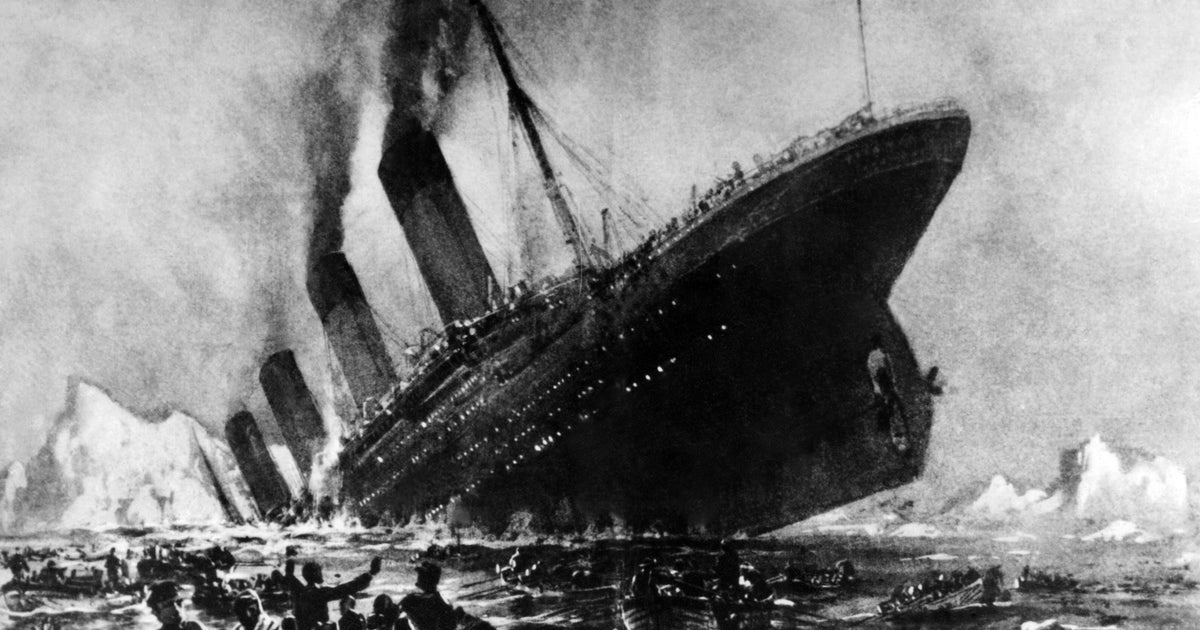
More than 110 years after it sank, the RMS Titanic remains a subject of worldwide fascination, capturing imaginations across generations and cultures. The ship had been billed as the world’s most luxurious ocean liner and was famously described as “practically unsinkable”—a claim that would prove tragically ironic. On its maiden voyage from England to New York, the massive vessel struck an iceberg off the coast of Newfoundland and sank within hours on April 15, 1912. Of the approximately 2,200 passengers and crew aboard, some 1,500 perished in the disaster, making it one of the deadliest maritime disasters in history. Part of the enduring fascination stems from the diverse range of passengers aboard the ship, which included everyone from impoverished emigrants seeking new lives in America to some of the wealthiest and most prominent people of the era. This cross-section of society, all thrown together in crisis, creates compelling human drama. The stories of heroism, sacrifice, survival, and loss continue to resonate because they reveal fundamental truths about human nature under extreme circumstances.
The Legacy Lives On Through Artifacts
The extraordinary prices commanded by Titanic memorabilia at auction speak to something deeper than mere collecting—they represent our ongoing attempt to connect with and understand this pivotal historical event. Each artifact, whether a life jacket, a pocket watch, or a seat cushion, serves as a physical link to the people who lived through those terrifying hours. These items help transform the Titanic from an abstract historical event into a tangible human tragedy with real individuals whose hopes, fears, and final moments we can begin to comprehend. Museums and private collectors who acquire these pieces take on the role of custodians, preserving not just objects but the memories and stories attached to them for future generations. As time passes and we move further from the actual event, these artifacts become increasingly precious as primary sources of connection to the past. The signatures on Francatelli’s life jacket, the watch that stopped when it hit the cold water, the cushion that kept survivors from the freezing metal of the lifeboat—each tells a story that books and films, no matter how well-crafted, cannot fully capture. The remarkable prices reflect not just scarcity or investment value, but the priceless nature of authentic historical connection in an increasingly digital and disconnected world.