
Historic Diplomatic Breakthrough: Israel and Lebanon Set for Direct Leadership Talks After 34 Years
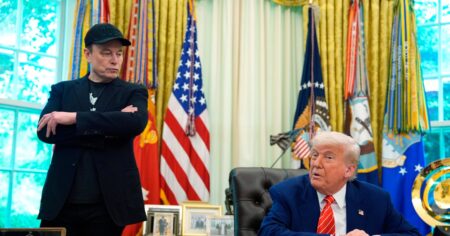
In a significant diplomatic development that could reshape Middle Eastern geopolitics, President Donald Trump announced late Wednesday that the leaders of Israel and Lebanon are scheduled to speak directly on Thursday, marking the first such high-level communication between the two nations in over three decades. This announcement comes on the heels of groundbreaking face-to-face negotiations between senior officials from both countries held in Washington on Tuesday—the first direct talks since 1993. The Trump administration is actively working to create what the president described as “a little breathing room” between the longtime adversaries, suggesting a cautious optimism about reducing tensions in a region that has been plagued by conflict and hostility for generations. While President Trump did not initially provide extensive details about the participants or the specific agenda for Thursday’s conversation, he expressed enthusiasm about the historic nature of the event, emphasizing the 34-year gap since such direct communication last occurred and concluding his social media statement with an encouraging “Nice!” This development represents a potentially transformative moment in regional diplomacy, offering a glimmer of hope for peace in an area that has seen devastating violence and displacement in recent months.
Confirmation from Israeli Officials and Regional Implications
The significance of this diplomatic breakthrough was further confirmed by Israeli Intelligence Minister Gila Gamliel, who verified in an interview with Israeli Army Radio (GLZ Radio) that Prime Minister Benjamin Netanyahu would indeed be speaking directly with Lebanese President Joseph Aoun. Minister Gamliel’s comments suggested that this initiative has been carefully planned and developed over an extended period, rather than being a spontaneous decision made in response to immediate circumstances. Her statement reflected a cautiously optimistic outlook regarding the potential benefits for Lebanon, as she expressed hope that “this move will ultimately lead to prosperity and flourishing for Lebanon as a country.” This acknowledgment from a high-ranking Israeli official indicates that the Netanyahu government views this engagement not merely as a tactical maneuver but as a strategic initiative with potential long-term implications for regional stability. The fact that such senior leaders are willing to engage directly after more than three decades of avoiding such contact suggests that both nations may be recognizing the unsustainable nature of the current situation and the need for a new approach to managing their complex relationship.
The Trump Administration’s Mediation Role and Strategic Positioning
The Trump administration has positioned itself as a central mediator in facilitating these discussions, with President Trump personally championing the diplomatic initiative through his public statements and behind-the-scenes efforts. A senior Trump administration official elaborated on the administration’s stance, indicating that while the president would certainly “welcome” an end to hostilities between Israel and Hezbollah in Lebanon, any such resolution is being kept distinctly separate from ongoing negotiations between Washington and Tehran. This strategic separation is significant, as it demonstrates the administration’s attempt to manage multiple diplomatic tracks simultaneously while preventing the complications that could arise from intermingling different negotiation processes. The administration’s approach appears to be focused on creating discrete pathways for conflict resolution that can proceed independently, even as they relate to interconnected regional dynamics. By facilitating direct communication between Israeli and Lebanese leaders while maintaining separate channels with Iran, the Trump administration is attempting to navigate the complex web of Middle Eastern alliances, rivalries, and proxy relationships that have characterized the region’s geopolitical landscape for decades.
Iran’s Perspective and the Ceasefire Complications
The Iranian government, however, has expressed strong disagreement with the characterization that any potential resolution between Israel and Hezbollah in Lebanon is separate from Tehran’s broader interests and agreements. Iranian officials have characterized Israel’s ongoing military operations in Lebanon as clear violations of the two-week ceasefire agreement that was established between Tehran and Washington. Despite these accusations and the underlying tensions, the ceasefire has remarkably held, though with important qualifications. Israel has reportedly scaled back its strikes in Lebanon’s capital, Beirut, and in other areas away from the southern region of the country, where Israeli ground forces continue to maintain an occupying presence. This partial compliance with the ceasefire terms has created a complex situation where the technical parameters of the agreement are being observed in some areas while active military operations continue in others. The Iranian position highlights the fundamental challenge in Middle Eastern diplomacy: the interconnected nature of regional conflicts means that efforts to resolve one aspect of hostilities inevitably affect other dimensions of the broader confrontation between various state and non-state actors in the region.
The Escalation That Led to Current Crisis
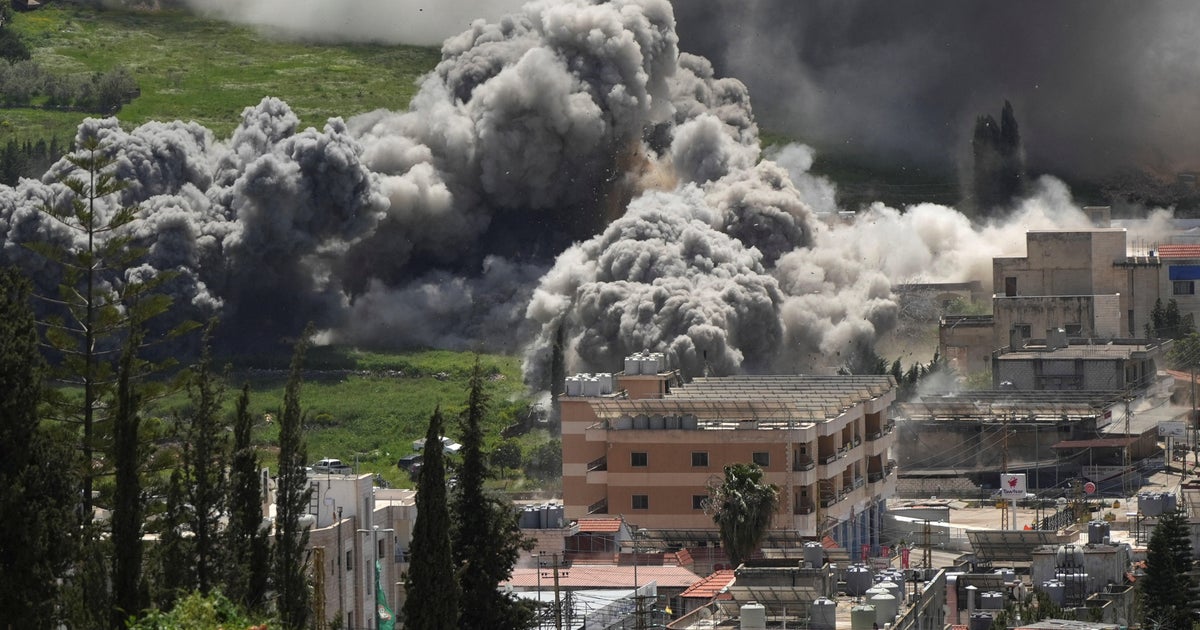
Understanding the current diplomatic initiative requires examining the recent history of how Lebanon became embroiled in the broader Middle Eastern conflict. The escalation began on March 2, when the Iranian-backed militant group Hezbollah launched attacks against Israel, effectively pulling Lebanon into a war that had already been affecting other parts of the region. This action by Hezbollah, operating from Lebanese territory, prompted a forceful Israeli military response that has had devastating consequences for Lebanon and its civilian population. Since the conflict began, Israeli military strikes have resulted in the deaths of more than 2,000 people in Lebanon, according to health officials in that country. Beyond the tragic loss of life, the conflict has created a massive humanitarian crisis, with more than one million Lebanese citizens displaced from their homes—a staggering number for a country with a total population of approximately six million people. Israeli ground forces have also invaded and occupied portions of southern Lebanon, creating a situation that echoes previous Israeli military operations in Lebanese territory. This occupation has further complicated the security situation and has been a source of particular concern for Lebanese sovereignty and for regional stability more broadly.
Looking Forward: Challenges and Opportunities for Peace
As the scheduled conversation between Israeli Prime Minister Netanyahu and Lebanese President Aoun approaches, the international community is watching with cautious interest to see whether this historic communication can produce meaningful progress toward de-escalation and eventual peace. The challenges facing both leaders are substantial: Netanyahu must balance domestic political pressures, security concerns, and his government’s determination to neutralize threats from Hezbollah, while President Aoun must navigate Lebanon’s complex internal politics, including the significant influence wielded by Hezbollah within Lebanese society and government structures. The fact that both leaders are willing to engage in direct dialogue after 34 years of avoidance suggests that the current situation may be recognized by all parties as unsustainable and potentially catastrophic if allowed to continue escalating. The Trump administration’s role as facilitator provides a level of international backing and potential security guarantees that may give both sides the confidence to explore diplomatic solutions. However, numerous obstacles remain, including the question of how to address Hezbollah’s presence and activities, the withdrawal of Israeli forces from Lebanese territory, the reconstruction of areas damaged in the conflict, the return of displaced populations, and the broader regional dynamics involving Iran, Syria, and other actors. Success in these initial conversations could open pathways to more comprehensive negotiations, potentially leading to formal peace agreements, normalization of relations, and economic cooperation that could benefit both nations. Failure, on the other hand, could result in renewed violence and further humanitarian catastrophe, making these upcoming discussions not just historically significant but potentially decisive for the immediate future of the region.