
Iran Rejects U.S. Peace Talks: Tensions Mount Over Strait of Hormuz
Rising Tensions in the Persian Gulf
The geopolitical landscape in the Middle East has taken another dramatic turn as Iran has firmly stated it has no intention of participating in peace negotiations with the United States. This announcement comes at a particularly volatile moment, with tensions escalating around the strategically vital Strait of Hormuz—a narrow waterway through which nearly one-third of the world’s seaborne oil passes daily. The Iranian government’s refusal to engage in diplomatic discussions with Washington represents a significant setback for those hoping to see de-escalation in the region. As both nations maintain hardline positions, the international community watches nervously, knowing that any miscalculation in this volatile area could have catastrophic consequences not just for the Middle East, but for the entire global economy.
The backdrop to this diplomatic impasse is a complex web of historical grievances, competing regional interests, and domestic political pressures on both sides. For Iran, the memory of past U.S. interventions in the region, combined with years of crippling economic sanctions, has created a deep-seated mistrust of American intentions. Meanwhile, U.S. policymakers have grown increasingly frustrated with what they perceive as Iranian aggression and support for proxy forces throughout the Middle East. This mutual suspicion has created an environment where even the prospect of sitting down at the negotiating table seems impossibly distant.
Trump’s Demands Meet Iranian Resistance
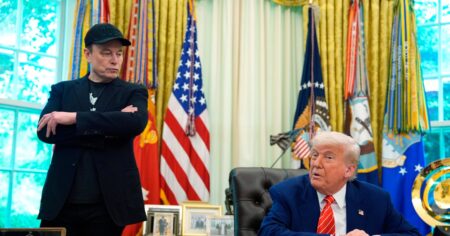
Former President Donald Trump’s approach to Iran during his time in office was characterized by what he termed “maximum pressure,” and it appears that stance has continued to influence the current dynamics between the two nations. Trump has reportedly insisted on preconditions for any potential peace deal that Iran finds completely unacceptable. These demands likely include significant limitations on Iran’s nuclear program, restrictions on its ballistic missile development, and a fundamental shift in Tehran’s regional foreign policy—particularly regarding its support for groups in Lebanon, Syria, Iraq, and Yemen. For Iranian leadership, accepting such conditions would represent not just a diplomatic defeat but a fundamental threat to their national sovereignty and regional standing.
Iranian officials have been vocal in their rejection of what they characterize as unreasonable and one-sided demands. From Tehran’s perspective, any meaningful negotiation must treat Iran as an equal partner rather than as a defeated party being dictated terms. Iranian leaders have emphasized that their nation has legitimate security concerns and regional interests that must be respected in any diplomatic framework. They point out that Iran is surrounded by U.S. military bases and allies, and that their military capabilities, including their missile program, are purely defensive in nature. This fundamental disagreement over the basic parameters of negotiation has created a seemingly insurmountable obstacle to progress, with neither side willing to make the first move toward compromise.
The Strait of Hormuz: A Critical Flashpoint
The Strait of Hormuz has once again emerged as the geographic focal point of this crisis, serving as both a strategic chokepoint and a powerful bargaining chip in the hands of Iran. This narrow passage, at its narrowest point only 21 miles wide, represents one of the world’s most critical maritime corridors. Any disruption to shipping through the strait sends immediate shockwaves through global energy markets, as oil tankers carrying millions of barrels of crude pass through these waters every single day. Iran has in the past threatened to close the strait in response to what it perceives as existential threats, and while such action would hurt Iran’s own economy, it would also deal a devastating blow to global oil supplies.
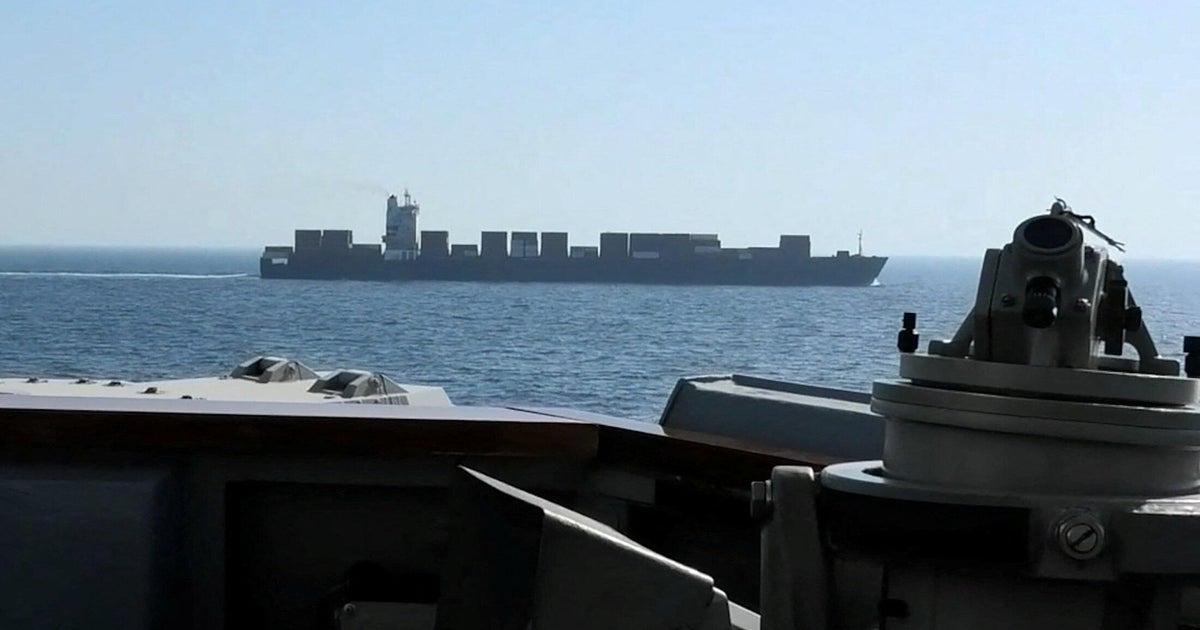
The current standoff has already seen several concerning incidents in and around the strait. There have been reports of close encounters between Iranian naval vessels and U.S. warships, seizures of tankers, and accusations of sabotage and attacks on commercial shipping. Each incident raises the temperature a little higher, increasing the risk that a minor confrontation could spiral into a much larger conflict. The United States has responded by increasing its military presence in the region, conducting naval patrols and coordinating with regional allies to ensure freedom of navigation. However, this military buildup, while intended as a deterrent, has also contributed to the overall sense of tension and instability in the area.
Global Energy Markets React with Alarm
The financial and energy markets have responded to these developments with predictable anxiety, as traders and analysts attempt to price in the risk of a potential conflict that could disrupt global oil supplies. Oil prices have shown significant volatility, with sharp increases following each new escalation in rhetoric or military posturing. Energy companies and consumer nations are being forced to consider contingency plans for scenarios ranging from temporary disruptions to prolonged supply shocks. The fear isn’t just about the immediate loss of oil flowing through the Strait of Hormuz, but also about the broader regional instability that could result from military conflict between Iran and the United States or its allies.
Beyond the oil markets, the uncertainty is affecting broader economic confidence and investment decisions across multiple sectors. Insurance rates for tankers passing through the region have increased substantially, adding to the cost of energy transportation. Some shipping companies have begun exploring alternative, albeit longer and more expensive, routes to avoid the potential conflict zone. Global stock markets have shown increased volatility in response to each new development in the crisis, with particular impacts on energy sector stocks and companies with significant exposure to Middle Eastern markets. Central banks and finance ministers around the world are monitoring the situation closely, concerned about the potential for an oil price spike to derail economic recovery efforts and fuel inflation at a time when many economies are already struggling with various challenges.
Looking Ahead: Diplomatic Dead End or Opening for Dialogue?
As the situation currently stands, there appears to be little room for optimism about an imminent breakthrough in U.S.-Iran relations. Both sides have staked out positions that leave little apparent space for compromise, and domestic political considerations in both countries create strong incentives for leaders to maintain tough stances rather than appear weak by offering concessions. In Iran, the government faces pressure from hardline factions that view any engagement with the United States as inherently suspect and potentially treasonous. In the United States, there is deep skepticism across the political spectrum about Iran’s intentions and willingness to abide by any agreement, shaped by years of confrontation and the controversial collapse of the previous nuclear deal.
However, history has shown that even the most intractable conflicts can sometimes find unexpected paths toward resolution. The international community, including European allies, Russia, and China, maintains channels of communication with both Washington and Tehran and continues to encourage dialogue over confrontation. There may be opportunities for confidence-building measures that don’t require either side to immediately abandon their core positions—perhaps through intermediaries or through incremental steps that reduce the risk of accidental conflict while keeping open the possibility of more substantive talks in the future. What remains clear is that the current trajectory, characterized by mutual hostility and military brinkmanship around one of the world’s most vital maritime passages, serves no one’s long-term interests. The challenge for diplomats and policymakers on all sides is finding a way to step back from the precipice before the situation deteriorates beyond the point where peaceful resolution remains possible. The stakes—measured in potential human costs, economic disruption, and regional stability—could hardly be higher.