
Hope and Heartbreak: Southern Lebanon Residents Navigate Fragile Ceasefire
Displaced Families Long to Return Home Despite Warnings
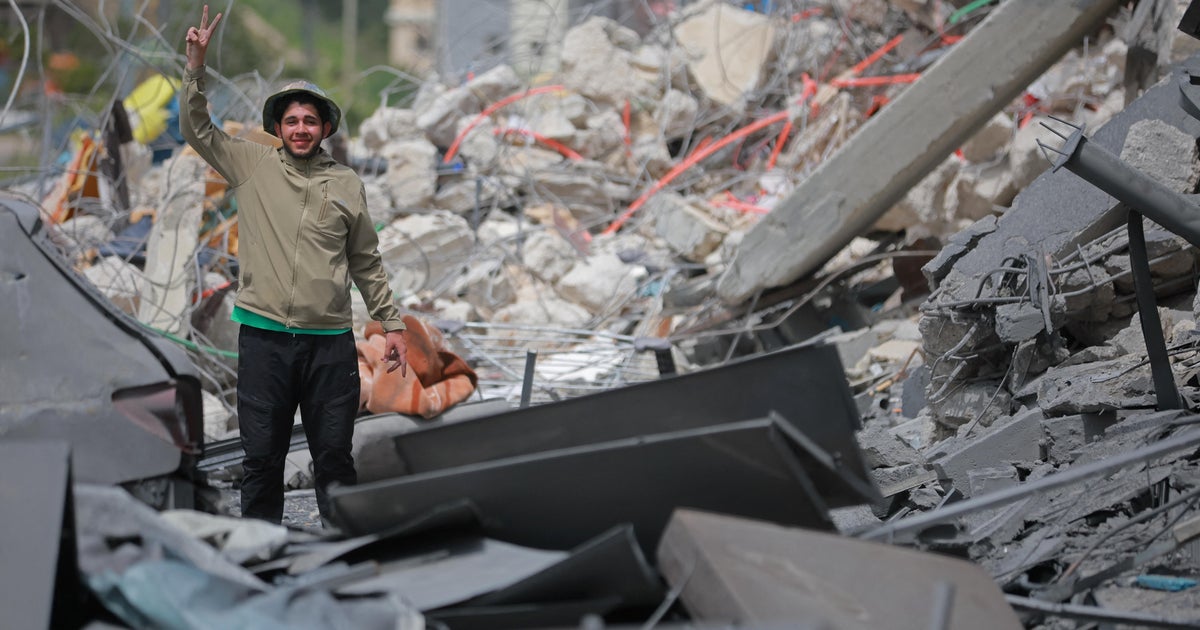
As a ceasefire between Israel and Lebanon took effect at midnight local time on Thursday, the battered communities of southern Lebanon found themselves caught between hope and uncertainty. Residents who had been forced to flee their homes during Israel’s military operations expressed cautious optimism about returning, even as Israeli forces explicitly warned them to stay away. The scene outside towns like Khiam painted a picture of frustration and determination—Lebanese army vehicles blocked roads while Israeli soldiers maintained their occupation of key areas. Among those waiting at checkpoints was a man in his seventies who simply told BBC reporters he hoped to return home “soon.” His words carried the weight of weeks spent away from everything familiar, reflecting the desperation of more than one million displaced Lebanese—roughly one-fifth of the entire country’s population.
Perhaps most poignant was the response of one woman who knew her house had been completely destroyed but insisted “it doesn’t matter.” Her reasoning cut to the heart of Lebanon’s complex reality: “Houses can be rebuilt, and all is worthless compared to a drop of blood of a martyr,” she said, referring to Hezbollah fighters who had battled Israeli forces. This sentiment reveals how deeply the conflict has affected the population’s psyche, where physical loss has become secondary to the human cost of war. Despite the warnings, some residents of towns like Nabitiyeh were already making their way back. One returnee, who had left just 25 days earlier, expressed gratitude “for all those who helped with ending the war.” When asked whether he believed the ceasefire would hold, his answer was cautiously optimistic: “It will—thanks to those who imposed this one.”
Israel Maintains Military Presence Despite Ceasefire Agreement
The Israeli military made its position crystal clear on Friday through spokesman Avichay Adraee, who warned displaced Lebanese residents not to attempt returning to their homes south of the Litani River. “With the entry of the ceasefire agreement into the implementation phase, the Israel Defense Forces continue to maintain their positions in southern Lebanon in the face of the ongoing terrorist activities of Hezbollah,” Adraee stated in a social media post that reached thousands of desperate families. The Litani River, which flows across southern Lebanon, has effectively become a demarcation line that Israeli forces are using to maintain control over a significant portion of Lebanese territory. This continued occupation creates a troubling contradiction at the heart of the ceasefire—while fighting has officially stopped, the Israeli military shows no signs of withdrawing from Lebanese soil.
The situation leaves displaced families in an impossible position: their homes lie behind Israeli military lines, yet returning could put them in danger or be seen as violating the fragile truce. Israeli officials justified their continued presence by citing security concerns, though this explanation offers little comfort to families who have lost everything. The human cost of Israel’s operations in Lebanon has been staggering, with Lebanese officials reporting more than 2,000 deaths, including many women and children. Entire neighborhoods have been reduced to rubble, infrastructure has been destroyed, and communities that took generations to build have been scattered across the country. For those waiting at checkpoints and in temporary shelters, the ceasefire brings hope but not yet the relief of returning home.
Hezbollah’s Carefully Worded Response Signals Compliance
Hezbollah, the powerful militant group and political party that has been central to Lebanon’s conflict with Israel, issued a statement on Friday that walked a careful line between defiance and compliance. Though not a formal party to the ceasefire agreement—which was negotiated directly between Israeli and Lebanese government leaders—Hezbollah’s response would ultimately determine whether the truce holds. The group has been designated as a terrorist organization by the United States but commands significant support among Lebanon’s Shiite population and wields considerable military power, far exceeding that of Lebanon’s official army. In its Friday statement, Hezbollah claimed credit for thousands of strikes against Israeli positions during the conflict, presenting these attacks as justified retaliation for Israel’s assault on Lebanese territory.
The most significant aspect of Hezbollah’s statement was what it didn’t say—it did not reject the ceasefire or threaten immediate retaliation. However, the group made clear that its forces would remain on high alert: “The hands of these fighters will remain on the trigger, anticipating the enemy’s treachery and violation of promises,” the statement warned. This language suggests Hezbollah is prepared to resume fighting if it believes Israel has violated the terms of the agreement or if circumstances change. The group’s position is complicated by its close ties to Iran, which is simultaneously engaged in its own negotiations with the United States and Israel. Hezbollah’s restraint, however grudging, appears calculated to support broader Iranian diplomatic efforts while maintaining the group’s credibility among its supporters as a resistance force that has not surrendered.
International Diplomacy and the Path to Broader Regional Peace
As the Lebanon ceasefire took hold, international leaders moved quickly to express support and leverage the momentum toward broader regional stability. Pakistani Prime Minister Shehbaz Sharif, who has emerged as a crucial intermediary in facilitating dialogue between the United States and Iran, welcomed the truce and praised President Trump’s “bold and sagacious diplomatic efforts.” Pakistan’s role in the current crisis has been surprisingly central, with Sharif and Pakistani Chief of Army Staff Field Marshal Asim Munir working tirelessly to arrange direct talks between American and Iranian officials. Their shuttle diplomacy, which included visits to Persian Gulf capitals and numerous phone calls with officials on both sides, helped broker the current two-week ceasefire between the U.S., Israel, and Iran that preceded the Lebanon agreement.
Sharif’s statement reaffirmed “Pakistan’s unwavering support for the sovereignty and territorial integrity of Lebanon” and pledged continued support “for all efforts aimed at lasting peace in the region.” This diplomatic language masks the complex negotiations happening behind the scenes, where Pakistani intermediaries are working to arrange a second round of direct U.S.-Iran talks. President Trump indicated these talks could happen as soon as this weekend and expressed optimism about achieving “amazing” results. French President Emmanuel Macron also weighed in, though with less optimism, expressing concern that the ceasefire “may already be undermined by ongoing military operations.” The Lebanese army reported “a number of violations of the agreement, with several Israeli attacks recorded, in addition to intermittent shelling targeting a number of villages.” These reports underscore how fragile the ceasefire remains and how easily it could collapse.
Trump’s Optimism and America’s Military Commitment
President Trump struck a decidedly upbeat tone about both the Lebanon ceasefire and the broader conflict with Iran, declaring Thursday night that “the war in Iran is going along swimmingly” and predicting it “should be ending pretty soon.” Speaking at an event in Las Vegas, the president acknowledged the necessity of military action: “We had to do a little journey down to Iran, and I didn’t want to do that, but we had to because we can’t let them have a nuclear weapon.” This reference to the joint U.S.-Israeli strikes on Iranian nuclear facilities on February 28—the attack that sparked the current crisis—frames the American military action as a necessary evil rather than a strategic choice. Trump’s optimistic predictions about a quick resolution have become a pattern, though the reality on the ground remains complex and dangerous.
On his Truth Social platform, Trump hailed what he called a potentially “historic day for Lebanon” and expressed hope that Hezbollah would “act nicely and well during this important period in time,” adding that it would be “an GREAT moment for them if they do. No more killing. Must finally have PEACE!” This somewhat casual tone masks the serious military commitments the United States has made to enforce the current situation. The Pentagon revealed Thursday that more than 10,000 U.S. service members, along with at least 12 ships and 100 aircraft, are currently enforcing a blockade of Iranian ports and coastline (though not the strategically vital Strait of Hormuz itself). U.S. Central Command reported that 14 vessels have already turned around to comply with the blockade since it began on Monday, and Chairman of the Joint Chiefs of Staff Gen. Dan Caine made clear the U.S. would “use force” on any ships that don’t comply. This massive military presence demonstrates the stakes involved and America’s commitment to preventing Iran from circumventing the pressure being applied.
The Fragile Nature of Peace and What Comes Next
As dawn broke over Lebanon on Friday, the ceasefire remained largely intact despite reported violations, offering a moment of cautious relief after weeks of devastating warfare. In Beirut, residents had celebrated the truce’s beginning at midnight by firing guns into the air, a traditional expression of both joy and defiance. Displaced families immediately began moving toward southern Lebanon and Beirut’s southern suburbs despite official warnings to wait, driven by the desperate need to assess damage to their homes and communities. The scene reflects a fundamental truth about ceasefires: they create space for hope but rarely address the underlying causes of conflict or heal the wounds war creates. For Lebanon, the challenges ahead are enormous—rebuilding destroyed infrastructure, caring for thousands of wounded, providing for displaced families, and somehow maintaining peace when Israeli troops occupy sovereign Lebanese territory and Hezbollah fighters remain armed and ready to resume fighting.
The ceasefire’s success depends on multiple factors beyond the agreement itself. Will Israel begin withdrawing its forces from southern Lebanon, or will the occupation continue indefinitely? Will Hezbollah and its Iranian backers show the restraint necessary to give diplomacy a chance? Can Pakistani mediators successfully arrange direct U.S.-Iran talks that address the nuclear issue at the heart of the conflict? And perhaps most importantly, can the various parties move beyond the immediate crisis to address the broader regional tensions that have fueled decades of conflict? President Trump’s statement that “we’re going to have victory very shortly” and his prediction of resolution “over the next week or so” reflect either genuine optimism based on classified intelligence about ongoing negotiations or perhaps a strategic effort to project confidence and encourage compliance. The reality is that peace in the Middle East has eluded far more experienced diplomats working under less complicated circumstances. For now, the people of southern Lebanon have a fragile ceasefire, a measure of hope, and the painful task of assessing what the war has cost them while wondering if peace will last long enough to rebuild.