
Iran-U.S. Peace Talks: Confusion and Contradictions as Ceasefire Deadline Looms
No Iranian Delegation En Route Despite Reports
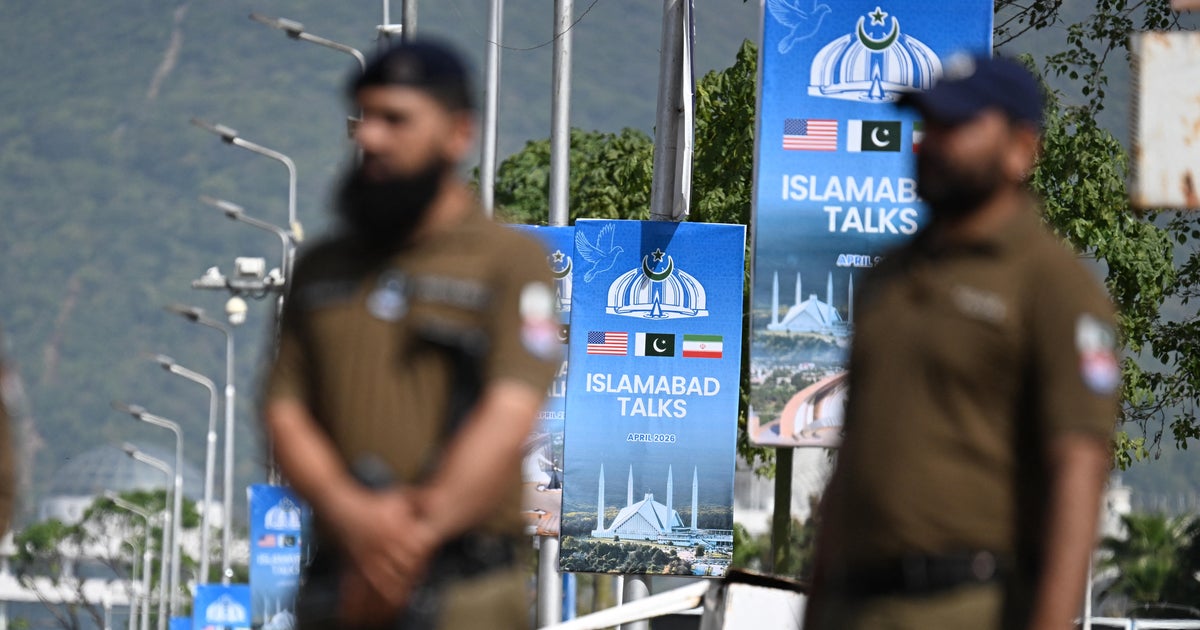
Iranian state television has firmly dismissed widespread reports claiming that Iranian representatives had traveled to Pakistan for anticipated peace negotiations with Trump administration officials. Since last Saturday, numerous international and regional news outlets have published stories suggesting that a preliminary Iranian delegation had either departed Tehran or arrived in Islamabad, with some media sources even specifying meeting times for Monday afternoon or Tuesday morning. However, according to Tuesday’s official state TV broadcast, all of these reports are completely inaccurate. The Iranian government emphasized that no delegation has been sent to Pakistan, directly contradicting the flurry of media speculation that had built up over the weekend. This clarification comes as the two-week ceasefire between the United States and Iran approaches its expiration date, leaving the international community uncertain about the future of diplomatic efforts between the two long-standing adversaries.
The Iranian position was further reinforced by Parliament Speaker Mohammad-Bagher Ghalibaf, who made his country’s stance crystal clear: “We do not accept negotiations under the shadow of threats.” This statement reflects Tehran’s fundamental objection to what it perceives as American coercion tactics during the diplomatic process. Iranian state television elaborated on this position, explaining that any continued participation in peace talks would require a fundamental change in both the behavior and positions of the United States government. This condition suggests that from Iran’s perspective, the current American approach to negotiations—characterized by what Tehran views as threatening language and aggressive posturing—is incompatible with genuine diplomatic engagement. The Iranian government appears to be drawing a red line, insisting that meaningful dialogue can only proceed if Washington adjusts its tone and tactics toward a more respectful and less confrontational approach.
Trump’s Shifting Messages on Uranium and Deal-Making
President Trump’s public communications regarding Iran have been remarkably inconsistent, swinging between optimistic declarations and threatening ultimatums within remarkably short timeframes. Over a single weekend, the President’s messaging transformed dramatically—from announcing that Iran had “agreed to everything,” including cooperation on removing enriched uranium from the country, to issuing stark warnings that the “whole country is getting blown up” if Iran refused to sign a U.S.-backed agreement. These rapid shifts in tone and substance, delivered through phone calls with individual reporters and posts on his Truth Social platform, have created confusion about the actual state of negotiations and the realistic prospects for a lasting peace agreement between the two nations.
On Monday evening, Trump addressed the complex issue of Iran’s enriched uranium, referring to what he calls the country’s “nuclear dust.” In a Truth Social post, he claimed that “Operation Midnight Hammer was a complete and total obliteration of the Nuclear Dust sites in Iran,” referring to U.S. strikes on Iranian nuclear facilities conducted in June of the previous year. He then added that “digging it out will be a long and difficult process.” The President regularly uses the term “nuclear dust” somewhat ambiguously—sometimes to describe Iran’s stockpile of enriched uranium, which U.S. officials claim Tehran has been accumulating for potential use in nuclear weapons, and at other times to refer to radioactive material left behind following American military strikes on Iranian nuclear sites. Trump has repeatedly stated that Iran’s enriched uranium stockpile will ultimately be transferred to American territory, though Iran’s foreign ministry has firmly disputed any such arrangement. Israeli officials have added to the concern by asserting that Tehran had actually accelerated its efforts to acquire nuclear weapons capability following the 12-day war last June, which involved Israeli operations and U.S. bombing campaigns against three Iranian nuclear facilities, including a major enrichment plant.
Threats Mixed With Predictions During Radio Interview
During an appearance on the John Fredericks radio show Monday, President Trump offered yet another variation on his Iran messaging, predicting that Iran would ultimately come to the negotiating table while simultaneously warning of dire consequences if they chose not to. “If they don’t, they’re going to see problems like they’ve never seen before,” Trump stated, leaving the specific nature of these “problems” to listeners’ imaginations. Despite the uncertain status of diplomatic engagement and Iran’s public reluctance to proceed with talks under current conditions, the President expressed confidence that the Iran conflict is “very close to being over.” This optimistic assessment stands in notable contrast to the skeptical statements coming from Iranian officials and the lack of confirmed plans for further negotiations.
Trump revealed that his designated team for potential future talks would include Vice President JD Vance, senior Middle East envoy Steve Witkoff, and his son-in-law Jared Kushner, who would travel to Pakistan for what he described as another possible round of peace negotiations. However, as Iranian state television’s Tuesday broadcast made clear, it remains entirely uncertain whether Iran actually plans to send any delegation to Islamabad to meet with the American representatives. This fundamental uncertainty—whether both parties will even show up for talks—highlights the fragile and ambiguous nature of the current diplomatic situation. With the two-week ceasefire set to expire within days, the absence of confirmed plans for negotiations raises serious questions about what might happen when the temporary pause in hostilities comes to an end.
Iranian Officials Push Back Against U.S. Pressure Tactics
Parliament Speaker Mohammad-Bagher Ghalibaf has emerged as a prominent voice expressing Iranian resistance to what Tehran perceives as American bullying during the peace process. In a statement posted on X (formerly Twitter) on Monday, Ghalibaf elaborated on his country’s concerns about U.S. negotiating tactics: “Trump, by imposing a siege and violating the ceasefire, seeks to turn this negotiating table—in his own imagination—into a table of surrender or to justify renewed warmongering.” This accusation suggests that Iranian officials believe the Trump administration isn’t genuinely seeking a mutually acceptable peace agreement, but rather attempting to force Iran into a humiliating capitulation that would serve American political interests.
Ghalibaf added an ominous warning that suggested Iran was prepared for the possibility that negotiations might fail and hostilities could resume: “In the past two weeks, we have prepared to reveal new cards on the battlefield.” This cryptic statement implies that during the ceasefire period, Iran has been developing new military capabilities or strategies that could be deployed if the conflict reignites. Notably, Ghalibaf was among the Iranian officials who participated in the direct talks with Vice President Vance, Jared Kushner, and envoy Steve Witkoff earlier in the month in Pakistan—negotiations that concluded without achieving any significant breakthrough. His subsequent public statements suggest that the Iranian delegation came away from those discussions feeling that the American side was not approaching negotiations in good faith or with realistic expectations about what Iran might be willing to accept.
Trump Claims No Pressure Despite Approaching Deadline
In an interesting reversal from his threatening rhetoric about Iran being “blown up” unless they signed an agreement, President Trump posted on Truth Social Monday that he was actually in no hurry whatsoever to reach a deal with Tehran. “The Democrats are doing everything possible to hurt the very strong position we are in with respect to Iran,” Trump wrote, suggesting that domestic political opponents were trying to undermine his negotiating position. He specifically addressed what he characterized as false Democratic claims that he had “promised 6 weeks to defeat Iran,” insisting that from a military standpoint, defeating Iran had taken “far faster” than six weeks. However, he then emphasized that he wouldn’t allow anyone “to rush the United States into making a deal that is not as good as it could have been.”
The President directly addressed media coverage suggesting he was feeling pressure to reach an agreement: “I read the Fake News saying that I am under ‘pressure’ to make a Deal. THIS IS NOT TRUE! I am under no pressure whatsoever, although, it will all happen, relatively quickly!” This statement attempts to project confidence and control over the situation, even as the ceasefire deadline approaches and Iran has made clear that no delegation is currently en route to Pakistan for further talks. Trump concluded with a sweeping historical claim: “Time is not my adversary, the only thing that matters is that we finally, after 47 years, straighten out the MESS that other Presidents let happen because they didn’t have the Courage or Foresight to do what had to be done with respect to Iran.” This framing positions the current situation as part of a decades-long challenge dating back to the 1979 Iranian Revolution, suggesting that Trump sees himself as finally addressing issues that previous administrations supposedly lacked the courage to confront. Whether this confidence is justified remains to be seen as the ceasefire expiration approaches with no clear diplomatic breakthrough in sight.