
Rising Antisemitism in London: A Community Under Siege
A Frightening Attack in the Dead of Night
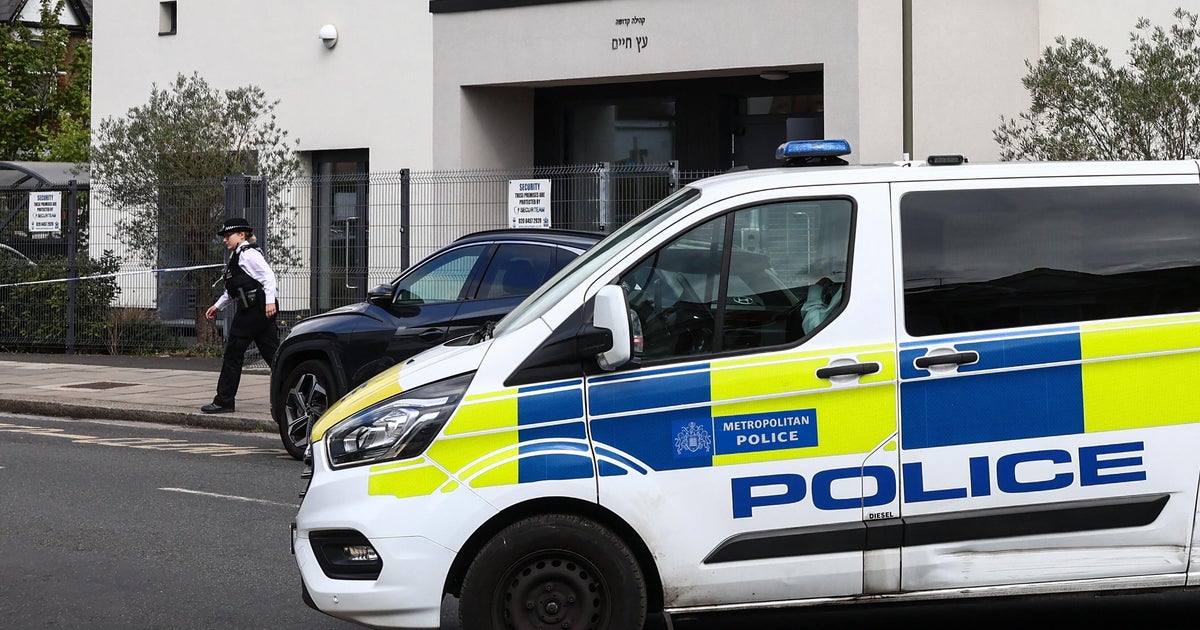
In the early hours of a seemingly ordinary Wednesday morning, the Jewish community in London was jolted by yet another attack on their places of worship and safety. Two individuals, their faces concealed by balaclavas and bodies cloaked in dark clothing, approached a synagogue in Finchley, a neighborhood in north London, just after midnight. Their intentions were clear and terrifying: they hurled two bottles suspected to contain petrol at the building in what appeared to be a calculated attempt to set the synagogue ablaze. Fortunately, the bottles failed to ignite, potentially averting a catastrophe that could have destroyed a sacred space and possibly claimed lives. The Metropolitan Police Force quickly responded to the scene and launched an immediate investigation, with counterterrorism detectives joining the effort. The incident has been officially classified as an antisemitic hate crime, adding to a growing list of attacks targeting Jewish communities across the United Kingdom. This frightening episode represents not just an isolated incident, but rather a concerning pattern of violence directed at Jewish institutions and individuals throughout Britain and across Europe.
A Pattern of Escalating Threats
This attempted arson in Finchley is tragically far from unique. It follows a disturbing series of attacks that have increasingly targeted Jewish communities in the United Kingdom. Just last month, in March, four ambulances operated by Hatzola—a volunteer organization providing free medical transportation and emergency response services to residents of north London—were completely destroyed in an arson attack. The destruction of these ambulances wasn’t merely property damage; it represented an assault on a lifesaving service that serves the community without charge, potentially putting lives at risk when emergencies arise. Even more chilling, this attack was claimed by a shadowy, secretive group that security analysts believe has connections to elements supporting the Iranian regime. This same organization has brazenly claimed responsibility for multiple antisemitic attacks across Europe and has made threatening statements to international media, including CBS News, declaring their intention to continue targeting “U.S. and Israeli interests worldwide.” The authorities have charged two men and a boy in connection with the ambulance attack, but the broader threat remains. Perhaps most tragically, on October 2, 2025, during Yom Kippur—one of the holiest days in the Jewish calendar—a deadly attack on a synagogue in Manchester claimed two lives and left three people seriously injured, sending shockwaves of fear and grief throughout Jewish communities across Britain.
The Statistics Behind the Fear
While individual attacks capture headlines and break hearts, the broader statistical picture reveals just how widespread the problem has become. The Community Security Trust, an organization dedicated to monitoring and protecting Jewish communities in Britain, has been carefully tracking antisemitic incidents across the country. Their data paints a troubling picture: in the past year alone, they recorded an alarming 3,700 instances of anti-Jewish hatred throughout the United Kingdom. This represents a 4% increase compared to the previous year, 2024, though interestingly, it marks a decrease from the levels witnessed in 2023. However, these numbers tell only part of the story. Behind each statistic lies a real person who has experienced hatred, fear, or violence simply because of their faith. These incidents range from verbal abuse and vandalism to physical attacks and, as recent events have shown, potentially deadly assaults on places of worship. The Jewish community has found itself increasingly looking over its shoulder, wondering when and where the next attack might occur. Many monitoring groups have noted that antisemitic incidents—along with Islamophobic incidents—have surged particularly dramatically since the outbreak of the war between Israel and Hamas in Gaza. This international conflict has, unfortunately, manifested in hatred and violence on British streets, far from the battlefields of the Middle East.
Multiple Threats from Different Directions
The threats facing Jewish communities in Britain are coming from various sources and ideological motivations, making the security challenge even more complex. In February of this year, a British court handed down life sentences to two men after police successfully foiled what was described as an ISIS-inspired plot to carry out a gun attack on a Jewish gathering in Manchester. This case highlighted the danger posed by extremist Islamic terrorism, which continues to view Jewish communities as targets in its twisted ideology. However, the threats aren’t limited to one source. In March, two Iranian nationals appeared in a London court facing charges of espionage—specifically, they were accused of spying on the Jewish community in London on behalf of the Tehran government. This case suggests state-sponsored surveillance and potentially more sinister intentions from a foreign government with a well-documented hostility toward Israel and Jewish communities worldwide. The diversity of these threats—from loosely organized extremist groups to ISIS-inspired terrorists to potential state-sponsored actors—creates a security environment where Jewish communities and law enforcement agencies must remain vigilant against dangers coming from multiple directions simultaneously. It’s a situation that places enormous strain on community resources and creates an atmosphere of constant anxiety for many Jewish families simply trying to live their lives in peace.
Life Under Constant Vigilance
For members of London’s Jewish community, these attacks and threats have transformed daily life in ways that many of their neighbors might not fully understand or appreciate. What was once a simple act of attending synagogue for prayers or celebrations now requires passing through security checkpoints and the watchful eyes of security personnel. Parents dropping children off at Jewish schools must navigate heightened security measures, while community centers and cultural institutions have been forced to invest heavily in protection systems, diverting resources that could otherwise support education, social services, and community programming. The psychological toll cannot be measured simply in statistics or police reports. There’s the constant, gnawing anxiety that comes from knowing your community is being targeted, the conversations parents must have with children about why they need to be careful, and the grief and trauma that ripple through the entire community each time an attack occurs. The Manchester synagogue attack, occurring on Yom Kippur—a day when Jews traditionally gather for reflection, fasting, and prayer—was particularly devastating because it violated what should have been a sacred and safe time. Yet despite these fears and challenges, Jewish communities have shown remarkable resilience, continuing to gather for worship, celebration, and mutual support, refusing to allow hatred to destroy their way of life or their connection to their faith and heritage.
The Response and the Road Ahead
British authorities have responded to this wave of antisemitic violence with increased attention and resources. The involvement of counterterrorism detectives in the Finchley synagogue attack investigation signals that law enforcement is taking these threats seriously and recognizing them as part of a broader pattern that may have organized elements behind it. The successful prosecutions and ongoing investigations demonstrate that authorities are working to hold perpetrators accountable and dismantle networks before they can carry out attacks. However, the challenge extends beyond policing and prosecution. It requires a broader societal reckoning with the antisemitism that has found new expression in British communities. Political leaders, community organizations, educators, and ordinary citizens all have roles to play in confronting hatred and creating an environment where Jewish people can practice their faith without fear. The connection between international events—particularly the Israeli-Palestinian conflict—and violence against Jewish people in Britain raises difficult questions about how political disagreements can sometimes morph into religious and ethnic hatred. Moving forward, the Jewish community continues to call for solidarity from their neighbors, enhanced security measures, and a commitment from all sectors of society to stand against antisemitism in all its forms. The attacks may generate fear, but they also strengthen the resolve of communities to preserve their presence, their traditions, and their right to live safely in a society that claims to value diversity and religious freedom.