

The Death of Santiago Gallón: Closing a Dark Chapter in Colombian Soccer History
A Decades-Old Crime Returns to Headlines
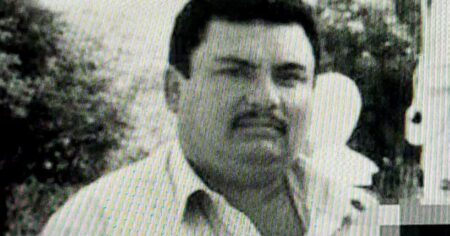
The violent world of drug trafficking claimed another life this week, but this death carries particular significance for soccer fans and Colombians who remember one of the darkest moments in their nation’s sporting history. Santiago Gallón, a man long alleged to have ordered the assassination of beloved Colombian soccer star Andrés Escobar in 1994, was found dead in Mexico on Wednesday. Colombian President Gustavo Petro confirmed the news on Friday through social media, stating that Gallón had been killed in Huixquilucan, a municipality just outside Mexico City. The state prosecutor’s office from the State of Mexico reported that a body believed to be Gallón’s was discovered and was undergoing forensic examination to confirm the identity. For many Colombians, this news reopened wounds from a tragedy that occurred nearly three decades ago—a senseless murder that symbolized the dangerous intersection of organized crime, national pride, and the beautiful game of soccer.
Gallón wasn’t just suspected of involvement in Escobar’s murder; he was also a convicted drug trafficker with deep ties to Colombia’s violent paramilitary groups. In 2010, he was sentenced to prison for financing these armed organizations that terrorized communities throughout Colombia during the country’s long internal conflict. President Petro’s comments on social media platform X emphasized the lasting impact of Escobar’s killing, describing it as an event that “destroyed the country’s international image.” Indeed, the murder of the gentle defender became a symbol of how narco-violence had infiltrated every aspect of Colombian society during the height of the drug wars, even claiming the life of one of the nation’s most admired athletes over something as tragic and unintentional as a soccer mistake.
The Tragedy That Shook a Nation
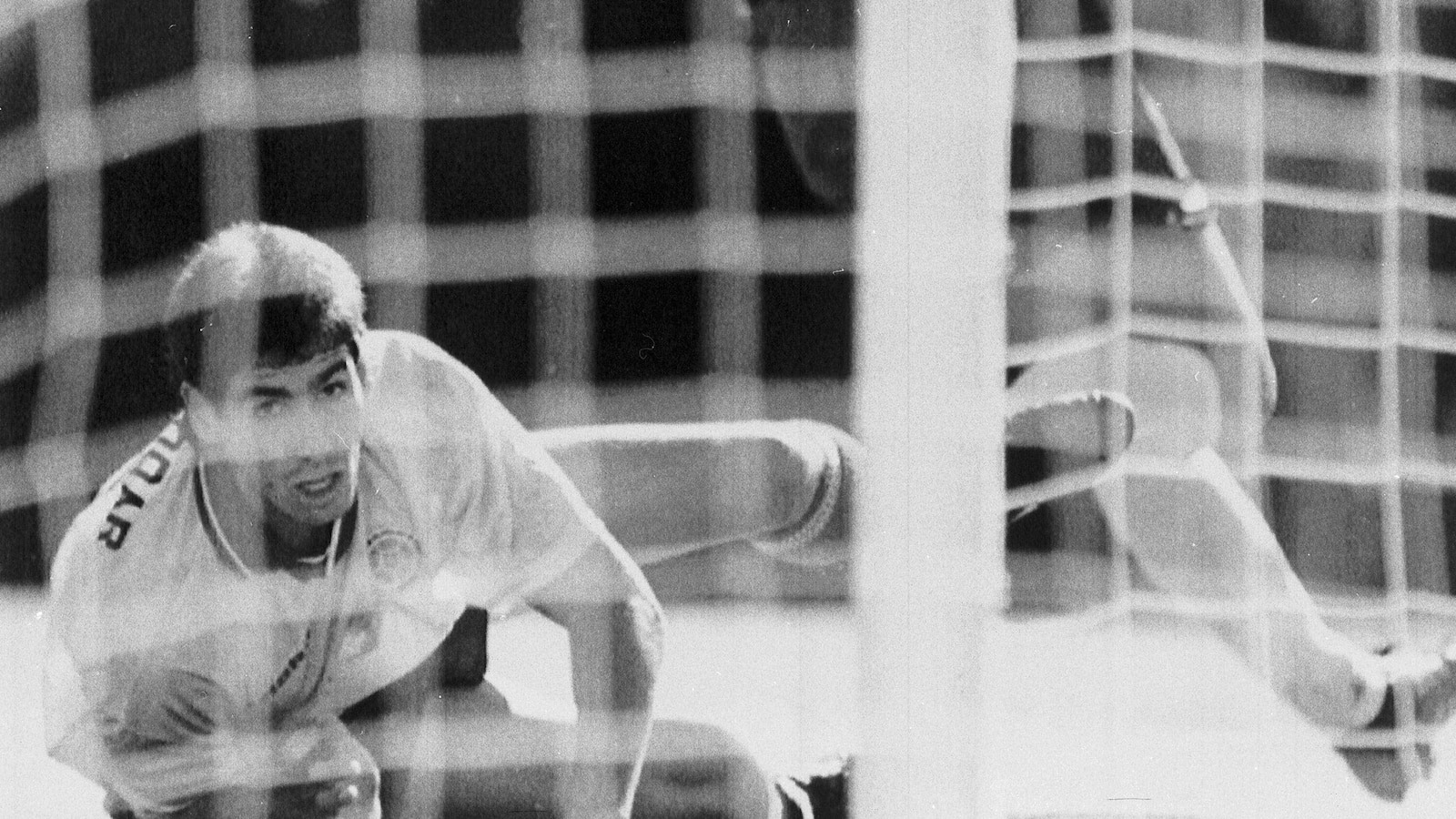
To understand the significance of Gallón’s death, we must revisit the events of July 1994, when Colombia was still reeling from a devastating World Cup exit. The Colombian national team had arrived at the tournament in the United States as one of the favorites to win it all. The squad was talented, exciting to watch, and had qualified impressively. Expectations were sky-high back home, where soccer serves as a source of national pride and unity. However, those dreams came crashing down when Colombia faced the host nation, the United States, in a group stage match that nobody expected them to lose. During that game on June 22, 1994, defender Andrés Escobar accidentally deflected the ball into his own net while trying to intercept a cross, scoring an own goal that contributed to Colombia’s shocking 2-1 defeat. The loss effectively eliminated Colombia from advancing in the tournament, and the team returned home in disgrace.
Andrés Escobar, known affectionately as “El Caballero del Fútbol” (The Gentleman of Soccer) for his fair play and humble demeanor, was devastated by the mistake but tried to remain positive. In a newspaper column published after returning to Colombia, he wrote, “Life doesn’t end here. We have to go on.” Tragically, his life did end shortly thereafter. On July 2, 1994, just ten days after the own goal, Escobar was out at a disco in Medellín, his hometown. As he left the establishment in the early morning hours, he was confronted by a group of men who reportedly harangued him about the own goal, shouting “Goal!” each time they shot him. Escobar was hit multiple times and died from his injuries. He was only 27 years old. The killing sent shockwaves throughout Colombia and the international soccer community, illustrating the dangerous extremes of soccer fanaticism mixed with the violence that plagued Colombia during the era of powerful drug cartels.
The Man Behind the Trigger and Those Who Gave the Orders
The person who physically pulled the trigger that night was Humberto Muñoz Castro, who worked as Santiago Gallón’s driver and bodyguard. Muñoz Castro had connections to Colombia’s powerful drug cartels, which at that time wielded enormous influence throughout the country, controlling territory, corrupting officials, and operating with virtual impunity in some regions. After the killing, Muñoz Castro was arrested and confessed to shooting Escobar. However, in a pattern typical of cartel-related violence, he steadfastly refused to implicate his bosses or reveal who might have ordered the hit. This code of silence, enforced through fear and loyalty within criminal organizations, meant that while the triggerman faced justice, those who may have orchestrated the murder remained free.
Muñoz Castro was found guilty and initially received a 43-year prison sentence for the murder of Andrés Escobar. However, in another example of Colombia’s problematic justice system during that period—often influenced by corruption, intimidation, and legal technicalities—he served only 11 years before being released. This light sentence for such a high-profile murder added insult to injury for Escobar’s family, friends, and the millions of Colombians who mourned the defender. For years, speculation swirled about who had actually ordered the killing. Was it simply the violent outburst of a hot-headed criminal upset about losing a bet on the match? Or was there something more calculated behind it? Santiago Gallón’s name surfaced repeatedly in these discussions, with allegations that he had ordered his driver to kill Escobar, though he was never formally charged with involvement in the soccer player’s death at the time.
A Life of Crime Catches Up
Santiago Gallón continued his criminal activities long after Andrés Escobar’s death, eventually facing legal consequences for his role in Colombia’s paramilitary violence. Paramilitary groups in Colombia emerged ostensibly to fight against leftist guerrilla movements, but they quickly became involved in drug trafficking, extortion, massacres of civilians, and forced displacement of communities. These right-wing armed groups committed some of the worst atrocities during Colombia’s decades-long internal conflict, and wealthy individuals like Gallón provided the financing that kept them operational. In 2010, Gallón was convicted and sentenced to prison specifically for financing these paramilitary organizations, a charge that reflected Colombia’s efforts to dismantle the networks that had funded so much violence.
The exact circumstances of how Gallón ended up in Mexico and what led to his death remain unclear. Mexico has long been a destination for criminals fleeing justice in other Latin American countries, and its own powerful drug cartels have complex relationships with criminal organizations throughout the region. Whether Gallón was killed due to old scores being settled, current criminal disputes, or other reasons will likely emerge as Mexican and Colombian authorities continue their investigations. The State of Mexico prosecutor’s office confirmed that forensic examinations were underway to definitively identify the body found in Huixquilucan, a wealthy municipality known for its upscale neighborhoods but also for criminal activity that occasionally punctures its affluent facade.
A Symbol of a Darker Era and Hope for the Future
President Gustavo Petro’s decision to publicly comment on Gallón’s death reflects the enduring significance of Andrés Escobar’s murder in Colombian collective memory. Petro, Colombia’s first leftist president, has made addressing the legacy of the country’s violent past a priority of his administration. His statement that the killing “destroyed the country’s international image” acknowledges how the world perceived Colombia during the 1990s—not just as a nation with talented soccer players, but as a place where violence connected to drug trafficking could claim anyone, even beloved sports heroes. The murder became symbolic of how narco-culture had poisoned Colombian society, creating an environment where human life was cheap and violence was used to settle even the most trivial grievances.
Today’s Colombia is vastly different from the country of 1994. While drug trafficking and violence haven’t been completely eliminated, the major cartels that once held the nation hostage have been dismantled, security has improved dramatically, and Colombia has worked hard to change its international image. The national soccer team continues to produce world-class talent, and Colombians can once again take pride in their representatives on the world stage without the shadow of violence looming so large. Andrés Escobar is remembered not for his fatal mistake on the field, but for his character, his skill, and his embodiment of the positive values of sport. His death remains a cautionary tale about the consequences of mixing sports, nationalism, and criminal violence. The news of Santiago Gallón’s death brings a form of closure to this dark chapter, even if justice delayed is justice denied, and even if it came through violence rather than through the proper workings of the legal system. For those who remember Andrés Escobar and mourned his senseless death, the knowledge that one of those allegedly responsible has met his own violent end provides a grim sense that the wheels of fate, if not justice, eventually turn.