


The Struggle for Dental Care: How Medicaid Expansion Falls Short for America’s Low-Income Families
A Painful Reality for Millions
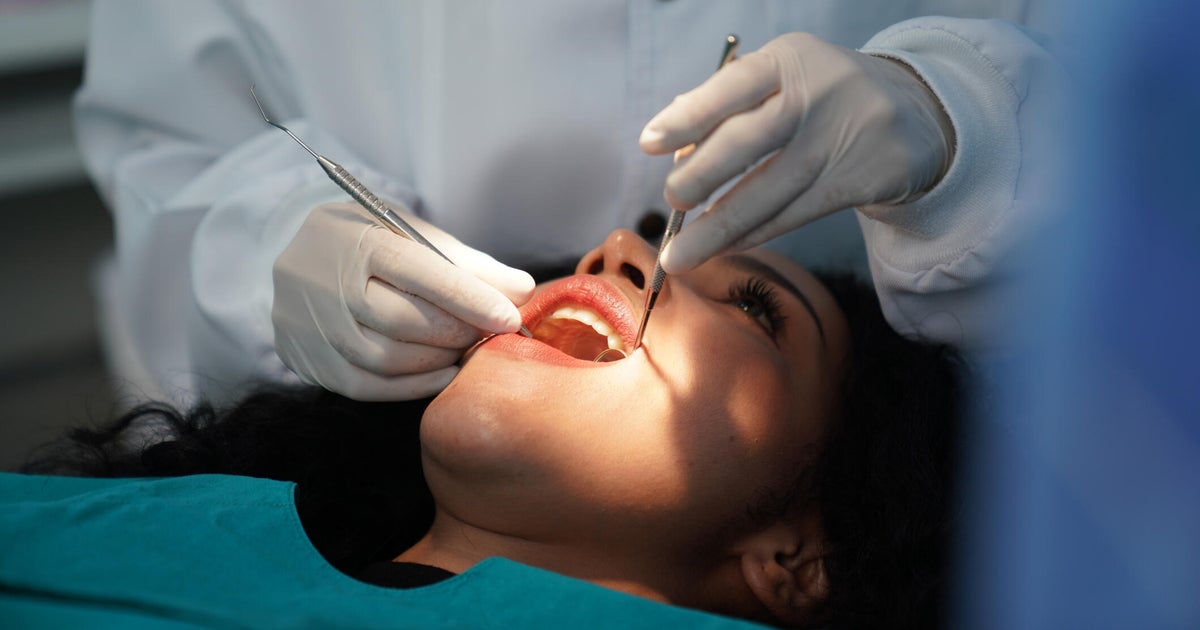
Star Quinn’s story is one that resonates with hundreds of thousands of Americans struggling to access basic dental care. When she moved to Kingsport, Tennessee in 2023, she had reason for optimism—the state had just begun covering dental costs for approximately 600,000 low-income adults enrolled in Medicaid. But when Quinn chipped a tooth that became infected, that hope quickly dissolved into frustration and pain. Despite Tennessee’s expanded coverage, she couldn’t find a single dentist near her home who both accepted Medicaid and was taking new patients. Like so many others in her situation, Quinn ended up in an emergency room, where she received temporary relief through painkillers and antibiotics but no real solution to her dental problem. Weeks later, still suffering from agonizing pain, she had no choice but to pay $200 out of pocket—a substantial sum for someone whose household income is about $30,000 a year supporting a family of six—to have the tooth extracted. Years later, Quinn still experiences pain when chewing on that side of her mouth, and she still hasn’t found a dentist nearby who will accept her coverage. Her simple statement captures the heart of the issue: “You should be able to get dental care, because at the end of the day dental care is health care.” This fundamental truth underscores a growing crisis in American healthcare, where insurance coverage on paper doesn’t translate to actual access to care.
The Expanding Coverage That Isn’t Quite Expanding Access
The federal government has long mandated that states provide dental coverage for children enrolled in Medicaid, the joint state-federal health program serving low-income and disabled individuals. However, covering adults’ dental needs remains optional, leaving states to decide whether and how much to invest in oral health for their most vulnerable residents. In recent years, there’s been encouraging movement on this front. Since 2021, eighteen states have enhanced their Medicaid dental coverage to include comprehensive services like checkups, X-rays, fillings, crowns, and dentures, while also loosening the annual dollar caps that previously limited benefits. As of last year, 38 states and the District of Columbia offered enhanced dental benefits for adult Medicaid beneficiaries, with most other states providing only limited or emergency-only care. Alabama stands alone as the only state offering no dental coverage whatsoever for adult beneficiaries. These expansions represent significant policy progress, driven by growing recognition of dental health’s critical importance to overall wellbeing. However, the gap between policy and practice remains disturbingly wide. According to data gathered by KFF Health News from six states that recently expanded their benefits, fewer than one in four adults on Medicaid actually see a dentist at least once a year—a utilization rate that falls dramatically short of what’s needed for good oral health.
The Numbers Tell a Troubling Story
The specific data from states that expanded coverage in the past five years reveals the depth of the access problem. In Maryland, only 22% of Medicaid adults visited a dentist in 2024, the highest rate among the states surveyed. Oklahoma managed just 16% in 2025, while Maine achieved only 13% that same year. New Hampshire reached 19%, Tennessee hit 16% in 2024, and Virginia saw 21% utilization in 2025. These numbers stand in stark contrast to adults with private dental coverage, where approximately 50% to 60% see a dentist at least once annually, according to the American Dental Association. This dramatic disparity illustrates that insurance coverage alone doesn’t guarantee access to care. The root of the problem lies partly in provider participation. Nationwide, only 41% of dentists reported participating in Medicaid in 2024, a share that has remained stubbornly stable over the past decade despite the benefit expansions in many states. Even more concerning, many participating dentists limit the number of Medicaid enrollees they treat, and some refuse to accept any new Medicaid patients at all. Marko Vujicic, chief economist and vice president at the ADA Health Policy Institute, points to a fundamental economic issue: reimbursement rates haven’t kept pace with costs, effectively deterring dentists from accepting Medicaid patients. This creates a vicious cycle where expanded benefits on paper fail to translate into expanded care in practice.
Real People, Real Consequences
The human impact of these systemic failures extends far beyond statistics. At the Appalachian Highlands Community Dental Center in Abingdon, Virginia, Executive Director Elaine Smith witnesses the crisis daily. Because of the shortage of dentists accepting Medicaid in southwestern Virginia, her center sees patients who travel more than two hours for care—and still must turn many away. Last year, the center’s seven dental residents treated approximately 5,000 patients, most on Medicaid, but about 3,000 people remain on the waitlist, sometimes waiting up to a year to be seen. As Smith poignantly notes, “It’s sad because they have the means now to see a dentist, but they still don’t have a dental home.” Beyond the provider shortage, low-income adults face additional barriers including lack of transportation, unavailable childcare, and inability to take time off work. Robin Mullins, a 49-year-old who has been on and off Medicaid since 2013, embodies these compounding challenges. The lack of regular dental visits contributed to her losing her bottom teeth. Unable to find a dentist near her home in rural Clintwood, Virginia, she drives almost 90 minutes to Smith’s clinic—but only when she can afford time away from her DoorDash driving job or find help watching her daughter, who has special needs. She manages with partial dentures but misses her natural teeth: “It’s absolutely horrible, as you can’t chew your food properly.” The consequences extend well beyond discomfort. Poor dental health contributes to serious conditions like heart disease and diabetes, and makes everyday activities like job hunting significantly harder, ultimately impacting the ability to lead a healthy, productive life.
Federal Cuts Threaten Fragile Progress
Just as some states are making progress on expanding dental benefits, a new threat looms on the horizon. Under congressional Republicans’ One Big Beautiful Bill Act, signed into law by President Donald Trump, the federal government is expected to reduce Medicaid spending by more than $900 billion over the next decade. The projected losses for individual states range dramatically, from about $184 million for Wyoming to approximately $150 billion for California. Tennessee alone faces an estimated $7 billion loss in federal funding over ten years, threatening the very program that was supposed to help people like Star Quinn. State Medicaid programs typically adjust benefits based on their financial situations, and cuts of this magnitude could force some states to shrink or eliminate offerings, including the recently expanded dental benefits. Shillpa Naavaal, a dental policy researcher at Virginia Commonwealth University, warns bluntly: “We will lose all the gains we have made.” Tennessee’s program, which spent nearly $64 million on dental coverage in 2024 and achieved a 20% decrease in dental-related emergency room visits, exemplifies what’s at stake. These ER reductions represent not just better health outcomes but also more appropriate and cost-effective use of healthcare resources—exactly the kind of systemic improvement that gets reversed when preventive benefits are cut.
The Path Forward: Culture, Infrastructure, and Commitment
Interestingly, not all challenges stem from provider shortages. In New Hampshire, Tom Raffio, chief executive of Northeast Delta Dental, which manages the state’s Medicaid dental program, says the primary issue is low demand rather than low supply of dentists. The company has expanded its list of participating providers and deployed two mobile dental units across the state, while also publicizing benefits through radio advertising and social media. Raffio notes that because New Hampshire Medicaid covered only dental emergencies until 2023, changing utilization patterns will take time: “Culturally, it’s going to take a while, as people just are used to not going to the dentist, or going to the ER when have dental pain.” Brooks Woodward, dental director at Baltimore-based Chase Brexton Health Care, considers Maryland’s rate of roughly one in five adults on Medicaid seeing a dentist in 2024 “pretty good” considering benefits had been enhanced only since 2023. He echoes the cultural challenge, noting that many adults on Medicaid believe you visit a dentist only when experiencing pain: “They’ve always just not gone to the dentist, and that’s just the way they had it in their life.” Addressing America’s Medicaid dental crisis requires a multi-pronged approach: increasing reimbursement rates to attract more providers, building infrastructure in underserved areas, addressing transportation and scheduling barriers, conducting sustained outreach to change cultural expectations about preventive care, and most critically, maintaining the political and financial commitment to treat dental care as the essential health care it truly is. Without these elements working together, expanded coverage will remain a hollow promise for millions of Americans like Star Quinn and Robin Mullins.