
The Fall of Viktor Orbán: Hungary Chooses a New Direction
A Stunning Political Upset Reshapes European Politics
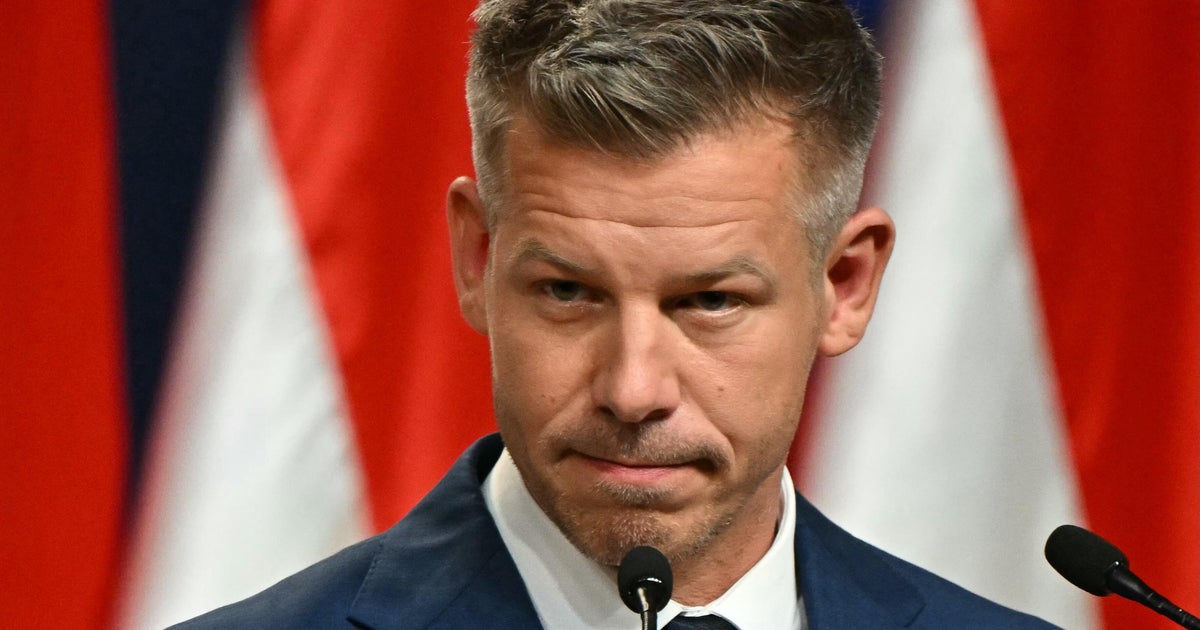
In a dramatic turn of events that has sent shockwaves across Europe and beyond, Hungary’s long-serving Prime Minister Viktor Orbán has conceded defeat after 16 years of increasingly authoritarian rule. The election results represent not just a change in leadership for Hungary, but a significant shift in the political landscape of Central Europe. Orbán, who had become President Trump’s closest European ally and a thorn in the side of the European Union, has been replaced by Péter Magyar, a former Fidesz party insider turned reformist crusader. The election, which drew a record-breaking 77.8% voter turnout—approximately 6 million people in a nation of 9 million—delivered an unmistakable message: Hungarians were ready for change. Magyar’s upstart Tisza party achieved something remarkable, securing a two-thirds parliamentary supermajority, the same legislative weapon Orbán had used for years to reshape Hungary’s institutions. The irony is palpable—the very democratic mechanisms Orbán utilized to consolidate his power have now been turned against him by the voters he once commanded.
From Trump’s Favorite to Political History
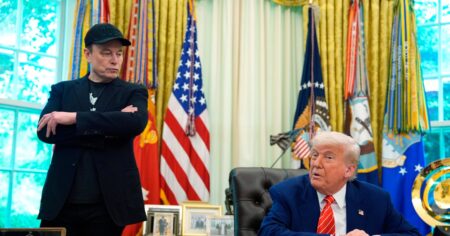
For President Trump, Orbán’s defeat represents the loss of his most enthusiastic supporter in Europe. The relationship between the two leaders went far beyond diplomatic courtesy; they shared frequent, detailed conversations about political strategy and governance, with Orbán serving as both cheerleader and strategic advisor. The Hungarian leader openly championed Trump’s reelection efforts and positioned himself as the standard-bearer for nationalist, anti-immigration politics in Europe. The Trump administration’s investment in Orbán’s continued rule was evident right up until election day, with Vice President JD Vance making a special trip to Budapest to campaign for the incumbent. Despite this high-profile American support, Hungarian voters ultimately decided their country’s future based on their own concerns—primarily rampant corruption, economic stagnation, and Hungary’s increasing isolation from its European neighbors. The election results demonstrate that even powerful international backing cannot overcome domestic dissatisfaction when citizens feel their country has lost its way. For Trump, who has built his political brand partly on his relationships with strongman leaders, Orbán’s defeat serves as a reminder that such alliances can be temporary and that populist nationalism doesn’t always guarantee electoral success.
Péter Magyar: From Admirer to Opponent
The story of Péter Magyar’s transformation from Orbán devotee to his most formidable opponent reads like a political thriller. Growing up during Hungary’s transition from Soviet-dominated communism to democracy in the 1990s, young Magyar idolized Orbán, who was then known primarily as an anti-communist freedom fighter advocating for Hungarian sovereignty and democratic reforms. Magyar reportedly kept a photograph of his political hero on his bedroom wall, dreaming of one day contributing to Hungary’s democratic future. He eventually joined Orbán’s Fidesz party and held several positions within its structure, giving him an insider’s view of how power operated in contemporary Hungary. However, what Magyar witnessed from the inside gradually disillusioned him. By 2024, he had seen enough—resigning from Fidesz and publicly denouncing what he characterized as a systemic culture of mass corruption that had infected every level of Hungarian governance under Orbán’s leadership. This wasn’t a casual political disagreement or a policy dispute; Magyar was making serious allegations about the fundamental integrity of Hungary’s ruling party and its leader. His decision to break with Orbán and eventually challenge him directly required considerable courage, as Orbán’s government had established a reputation for dealing harshly with political opponents, critics, and anyone who threatened the Fidesz party’s grip on power.
A Campaign Marred by Scandal and Alleged Blackmail
The final months before the election took an ugly turn when the personal relationship between Magyar and Orbán deteriorated into what Magyar characterized as outright political warfare using the tactics of authoritarian regimes. In February, Magyar made explosive allegations that Fidesz had orchestrated what he called a “Russian-type” blackmail operation against him. According to Magyar, the scheme involved secretly recording him having consensual sex with his then-girlfriend at a house party, then threatening to release the footage publicly in an attempt to destroy his reputation and derail his political challenge. Magyar took to social media to condemn the alleged operation, stating that “Even in Europe, it is unprecedented for a ruling party to attempt to discredit, blackmail, and neutralize its main political opponent by secretly recording their sexual acts using illegal methods and threatening to make the recordings public.” The allegations painted a picture of a ruling party so desperate to maintain power that it would resort to the most intrusive and unethical tactics imaginable. Rather than destroying Magyar’s campaign, however, the alleged blackmail attempt appears to have backfired spectacularly. Many Hungarians viewed it as confirmation of Magyar’s central campaign message: that Orbán’s government had become fundamentally corrupt and was willing to abuse its power to silence opposition voices. The incident may have actually galvanized support for Magyar, transforming him from a political challenger into a sympathetic figure fighting against an oppressive system.
What Magyar’s Victory Means for Hungary and Europe
Péter Magyar has laid out an ambitious agenda that represents a sharp break from Orbán’s policies in several key areas. His primary promises include a serious crackdown on corruption, implementing taxes on the wealthiest Hungarians, and unlocking billions of euros in European Union funding that had been frozen due to concerns about Hungary’s adherence to democratic norms and rule of law under Orbán. Perhaps most significantly for European politics, Magyar is explicitly pro-EU and anti-Russia—a stark contrast to his predecessor, who had cultivated warm relations with Vladimir Putin even as Russia’s invasion of Ukraine drove a wedge between Moscow and most of Europe. Ukrainian President Volodymyr Zelenskyy and EU leaders have publicly welcomed the election results, seeing Magyar’s victory as an opportunity to bring Hungary back into alignment with European values and strategic interests. Predictably, Putin has not congratulated the winner, and Russian state television has promoted conspiracy theories claiming that “European hawks” and “the head of the Kyiv regime” interfered in Hungary’s election to orchestrate Orbán’s removal. Magyar’s two-thirds parliamentary supermajority gives him the legislative power to fundamentally reshape Hungarian institutions—ironically, using the same constitutional mechanisms Orbán employed to build his “illiberal democracy.” However, Magyar is not simply a pro-Western liberal who will align Hungary completely with Brussels on every issue. He holds conservative views on immigration, advocating for strong border protection and opposing EU proposals to redistribute asylum-seekers across member states. This nuanced position suggests that while Hungary under Magyar will be more cooperative with the EU than under Orbán, it will still maintain positions that distinguish it from Western European nations on certain cultural and security issues.
Looking Forward: A New Chapter for Hungary
As Hungary embarks on this new chapter, the world will be watching to see whether Magyar can deliver on his promises to root out corruption, restore democratic norms, and repair Hungary’s relationships with its European partners while maintaining his conservative credentials on issues like immigration. The record voter turnout suggests that Hungarians have given him a clear mandate for change, but the challenges ahead are substantial. Orbán spent 16 years systematically reshaping Hungarian institutions, the media landscape, the judiciary, and the electoral system itself to favor his continued rule. Undoing that will require not just legislative action but a fundamental cultural shift in how power operates in Hungary. The international implications of this election extend beyond Hungary’s borders. For the European Union, Magyar’s victory offers hope that a member state that had become increasingly problematic might return to being a constructive partner. For Russia, it represents the loss of a valuable ally within the EU who had often blocked or weakened sanctions and other measures against Moscow. And for President Trump, who invested political capital in supporting Orbán, the defeat serves as a reminder that authoritarian-style populism faces genuine resistance even in countries where it seemed firmly entrenched. Whether Péter Magyar—whose surname literally translates to “Hungarian”—can live up to his promise of representing a renewed, reformed Hungary remains to be seen, but his stunning electoral victory has already rewritten the political map of Central Europe.