
Protecting the Deep: Britain and Norway Stand Guard Against Russian Submarine Activity
A Month-Long Underwater Chess Game in the North Atlantic
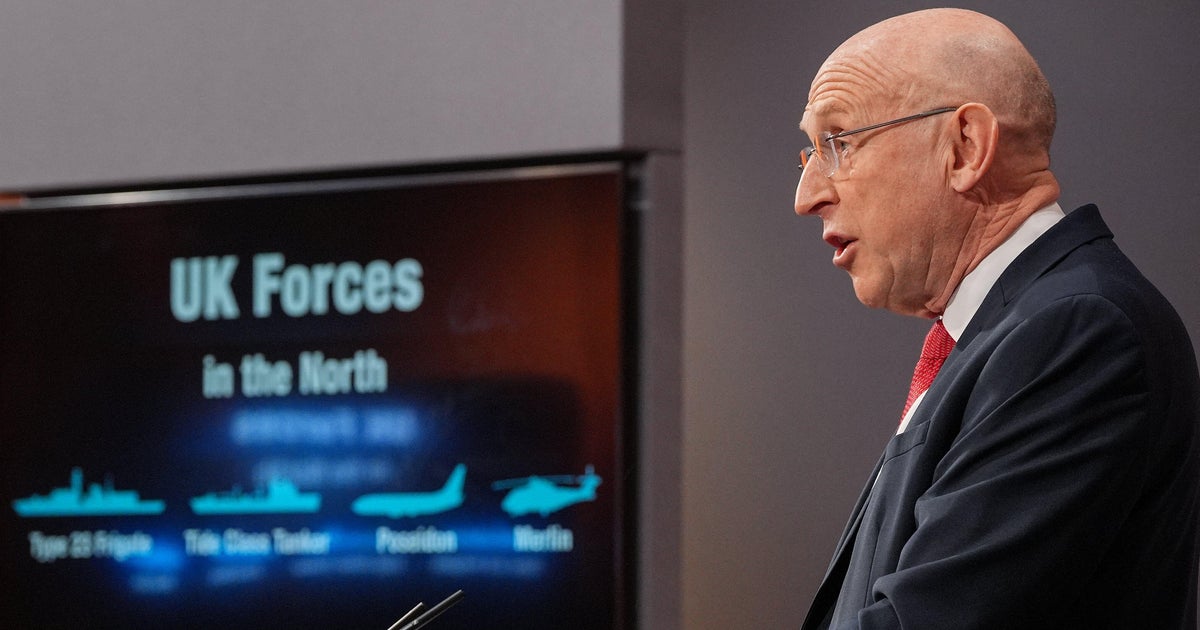
In a significant display of naval cooperation and vigilance, British and Norwegian military forces recently concluded an intensive operation that lasted more than a month, tracking and monitoring Russian submarine activity in the strategically vital North Atlantic waters. The operation, announced by U.K. Defense Secretary John Healey on Thursday, involved sophisticated coordination between the two allied nations as they shadowed three Russian submarines—one attack submarine and two specialized spy submarines—operating suspiciously close to critical undersea infrastructure located north of the United Kingdom. The mission deployed a British frigate, multiple reconnaissance aircraft, and hundreds of military personnel who worked tirelessly to ensure that these Russian vessels posed no threat to the vital communication cables and energy pipelines that crisscross the ocean floor, connecting nations and powering economies. After weeks of persistent monitoring and a clear demonstration that their movements were being carefully tracked, the Russian submarines eventually departed the area, though questions about their original intentions remain unanswered.
Direct Warning to Moscow: We’re Watching
Defense Secretary Healey delivered an unmistakably clear message to the Kremlin during his announcement of the operation’s conclusion. His words were measured but firm, designed to leave no doubt about Britain’s resolve when it comes to protecting critical undersea infrastructure that modern society depends upon. “We see your activity over our cables and our pipelines,” Healey stated, “and you should know that any attempt to damage them will not be tolerated and will have serious consequences.” This direct warning reflects growing concerns among Western nations about the vulnerability of the vast network of undersea cables that carry approximately 95% of international data traffic, including internet communications, financial transactions, and other essential digital information that keeps the global economy functioning. These fiber-optic cables, along with the energy pipelines that transport oil and natural gas between countries, represent potential targets that could cause massive disruption if sabotaged. The British government’s decision to publicly acknowledge this operation and issue such a pointed warning suggests that intelligence services may have detected reconnaissance activities or other behaviors by the Russian submarines that raised serious red flags about potential future threats to this vital infrastructure.
A Partnership Forged for Arctic Defense
The recently concluded operation represents the practical implementation of a comprehensive defense agreement between the United Kingdom and Norway announced late last year, specifically designed to counter increased Russian naval activity in the North Atlantic and Arctic regions. This alliance, formed with the explicit purpose of hunting Russian submarines and safeguarding crucial communication and energy infrastructure, comes in direct response to alarming intelligence showing a 30% increase in Russian naval vessel presence in U.K. waters over just the past two years. The centerpiece of this bilateral security arrangement is a newly established joint fleet of anti-submarine warfare ships, combining eight British vessels with at least five Norwegian ships to create a formidable maritime force capable of sustained operations in some of the world’s most challenging waters. When announcing the partnership several months ago, Healey emphasized that it would enable the two nations to “patrol the North Atlantic as one, train together in the Arctic, and develop the advanced equipment that will keep our citizens safe now and into the future.” This cooperation makes strategic sense given Norway’s extensive Arctic coastline and experience operating in extreme northern conditions, combined with Britain’s advanced naval capabilities and sophisticated submarine-hunting technology. The alliance reflects a broader recognition among NATO members that the security environment in the North Atlantic and Arctic regions has fundamentally changed, requiring new approaches to collective defense.
Maintaining Focus Despite Global Distractions
British officials have been increasingly vocal about the need to keep international attention focused on Russian activities, even as global headlines have been dominated by escalating tensions and conflicts in the Middle East. This determination to prevent “crisis fatigue” from allowing Russia’s actions to slip into the background represents a calculated strategic communication effort by London, which has consistently positioned itself as one of Ukraine’s staunchest supporters since the full-scale Russian invasion began in February 2022. Healey explicitly addressed this challenge during his news conference, stating that “Putin would want us to be distracted by the Middle East,” but emphasizing that Russia remains the primary and most serious threat to the United Kingdom and its allies. “We will not take our eyes off Putin,” the Defense Secretary declared, signaling Britain’s intention to maintain pressure on Moscow regardless of other international developments competing for attention. British officials have also worked to draw connections between different global conflicts, highlighting evidence that Russia has provided Iran with drone components and other military support, thereby linking Moscow’s activities to instability in multiple regions simultaneously. This narrative framing serves the dual purpose of justifying continued focus on Russia while also emphasizing the interconnected nature of contemporary security challenges that cannot be neatly separated into isolated regional issues.
Expanding Actions Against Russia’s Shadow Fleet
The submarine tracking operation comes alongside other British initiatives targeting Russian efforts to evade international sanctions imposed over the Ukraine invasion. In late March, the U.K. government announced that its military forces were now prepared to actively seize vessels suspected of belonging to Russia’s so-called “shadow fleet”—a collection of aging tankers and cargo ships with obscure ownership structures that Moscow uses to transport oil and other commodities in violation of sanctions designed to limit revenue funding the war effort. This represents a significant escalation from Britain’s previous role of merely assisting France and the United States in monitoring suspicious vessels before other nations boarded them for inspection. “We are ready to take action” against these sanctions-evading ships, Healey stated, indicating a more assertive posture designed to demonstrate that London is willing to move beyond rhetoric to practical enforcement measures. The shadow fleet has become an increasingly important tool for Russia to maintain oil exports despite Western attempts to curtail them, with hundreds of vessels of questionable registration operating in gray zones of international maritime law. By announcing its intention to directly interdict these ships, Britain is signaling its willingness to accept the diplomatic tensions and potential confrontations that such actions might trigger, calculating that the strategic benefits of tightening sanctions enforcement outweigh the risks of escalation.
The Underwater Battlefield of the 21st Century
The recent North Atlantic operation highlights how the ocean depths have become a critical—yet largely invisible to the public—arena of contemporary strategic competition between Russia and Western nations. The extensive network of undersea cables and pipelines represents a vulnerability that defense planners have grown increasingly concerned about, particularly as hybrid warfare tactics that fall short of outright military conflict have become more common. A successful attack on major cable infrastructure could potentially disrupt internet connectivity, financial systems, and communications across entire regions, causing economic damage far exceeding the physical cost of the cables themselves. Similarly, damage to energy pipelines could create supply disruptions with significant economic and political consequences, particularly for European nations still working to reduce their dependence on Russian energy following the invasion of Ukraine. The fact that Russia deployed both an attack submarine and two specialized spy submarines to the area suggests a sophisticated intelligence-gathering operation, possibly mapping cable and pipeline locations or testing response times and detection capabilities of Western naval forces. The British and Norwegian success in detecting, tracking, and ultimately deterring these submarines through sustained presence operations demonstrates the value of the newly formed alliance and the importance of maintaining advanced anti-submarine warfare capabilities. As tensions between Russia and the West show no signs of diminishing, the silent cat-and-mouse games playing out in the cold, dark waters of the North Atlantic will likely continue, representing a form of ongoing conflict that rarely makes headlines but carries profound implications for national security and economic stability in an interconnected world increasingly dependent on the invisible infrastructure lying on the ocean floor.