



Devastating Floods Ravage Hawaii’s Oahu Island: A Community in Crisis
Unprecedented Rescue Operations Underway as Waters Continue to Rise
The Hawaiian island of Oahu is facing a catastrophic flooding emergency that has already led to the rescue of more than 230 people from life-threatening situations. During a press briefing held Friday evening, Honolulu Mayor Rick Blangiardi revealed the staggering scope of the emergency response efforts, as crews worked tirelessly to reach residents trapped by rapidly rising floodwaters. Hawaii Governor Josh Green provided some reassuring news amid the chaos, confirming that there were no reported fatalities or missing persons at that time. Emergency responders from multiple agencies, including local firefighters, National Guard units, and military personnel, have been mobilized across the affected regions to conduct search and rescue operations. The coordinated response highlights the severity of the situation, as this marks the second significant rain event to hammer the area within just one week, leaving communities exhausted and infrastructure severely compromised.
Dam Failure Fears Spark Urgent Evacuations
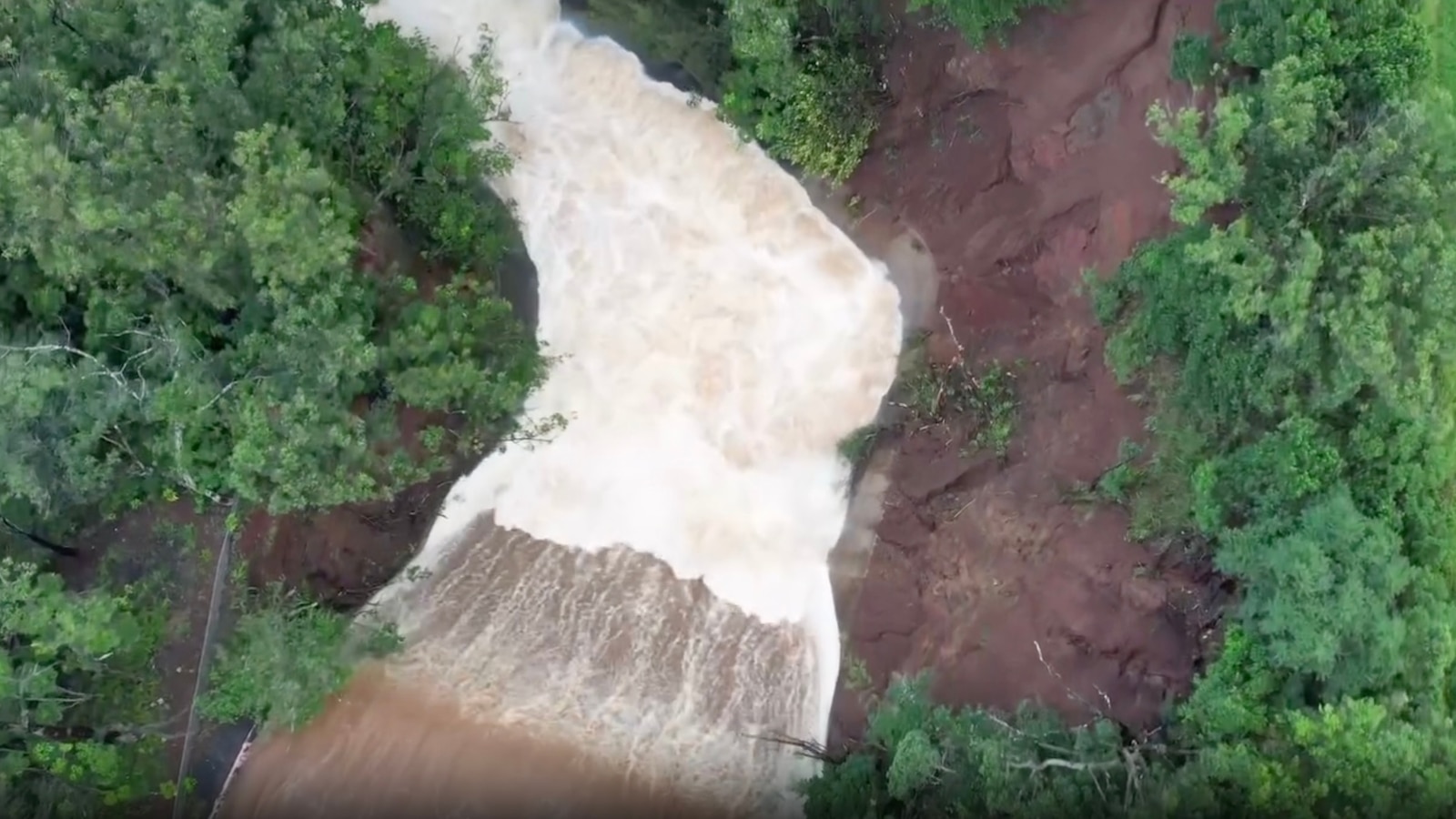
The most alarming development in this unfolding disaster has centered on the Wahiawa Dam, which authorities warned could collapse or breach at any moment. Early Friday morning, Oahu Emergency Management issued mandatory evacuation orders for the communities of Haleiwa and Waialua, including all areas in the vicinity of the threatened dam. Drone footage captured that morning showed the precarious state of the structure, with water levels dangerously high. Mid-morning updates from emergency officials described the dam as being “at imminent risk of failure,” though it had not yet completely failed. The situation remained fluid throughout the day, with authorities later reporting that water levels were beginning to trend downward. However, with additional rainfall forecast for the region, evacuation orders remained in effect for many residents who had been forced to leave their homes with little notice. At the evening press briefing, officials emphasized they were closely monitoring not only the Wahiawa Dam but several other dams in the area. Governor Green made a point to clarify that while there were no confirmed reports of structural damage to the dams themselves, the primary concern was the unprecedented volume of water and the risk of overflow, which could compromise the stability of these critical structures. The National Weather Service in Honolulu issued a flash flood warning specifically addressing the potential consequences of a dam failure on the Kaukonahua Stream below the Wahiawa Dam, underscoring the gravity of the threat facing downstream communities.
Catastrophic Damage Affects Homes, Infrastructure, and Essential Services
The impact of this flooding event extends far beyond immediate water dangers, with widespread devastation reported across multiple types of infrastructure and facilities. Authorities have documented extensive damage to residential homes, with Honolulu Mayor Blangiardi estimating that “dozens, if not maybe hundreds of homes” have been affected by the floodwaters. Roads throughout the affected areas have been washed away or rendered impassable, effectively isolating some communities and complicating rescue efforts. Schools have suffered damage, disrupting education for thousands of students, while airports have experienced operational challenges that have affected travel to and from the islands. Perhaps most concerning from a public health perspective, at least one hospital on Maui sustained damage severe enough that patients had to be relocated to other facilities, a complex and potentially dangerous operation during an ongoing emergency. Mayor Blangiardi didn’t mince words when assessing the situation, stating unequivocally that “there’s no question that the damage done thus far has been catastrophic.” While officials are still working to calculate the full financial impact of the disaster, early estimates paint a sobering picture, with potential losses expected to surpass $1 billion. This figure encompasses not only immediate physical damage but also the long-term economic disruption to businesses, tourism, and daily life across the affected islands.
Communities Cut Off as Floodwaters Continue to Rise
The situation on Oahu’s north shore has been particularly dire, with floodwaters effectively cutting off road access in and out of Haleiwa, trapping residents and visitors alike. Search and rescue operations remained ongoing throughout Friday, according to Honolulu spokesperson Ian Scheuring, though he noted that an official count of people rescued was not yet available. The National Weather Service in Honolulu issued a flash flood emergency for northern Oahu, describing conditions as “catastrophic” and warning of “life-threatening flash flooding” affecting the region. Local emergency personnel reported widespread flooding of roadways and low-lying areas, with significant runoff continuing to produce dangerously high water levels. The Hawaii Department of Transportation advised of numerous road closures throughout the area due to flooding, further complicating mobility and access for both residents and emergency responders. In response to the severe weather conditions, all state departments on Oahu closed for the day, with employees not directly involved in disaster response and preparedness operations sent home for their safety. This decision, while necessary to protect workers, also highlighted the extent to which normal life had been disrupted by the emergency.
Weather Forecast Promises No Relief in the Immediate Future
Unfortunately for Hawaii’s beleaguered residents, meteorologists warned that conditions were expected to worsen before improving, with heavy rain forecast to continue throughout the weekend. The National Weather Service predicted that the heaviest rainfall would occur Friday through Saturday for most islands, with the Big Island expected to receive its most intense precipitation on Sunday. Satellite imagery captured on March 20 showed the massive weather system enveloping the Hawaiian Islands, a visible reminder of the scale of the atmospheric forces at work. Forecasters warned that thunderstorms would be possible at times, potentially bringing damaging winds in addition to the torrential rain. The threat extended beyond simple flooding, as the National Weather Service cautioned that mudslides could occur in areas with steep terrain, adding another layer of danger to an already hazardous situation. Flood watches remained in effect for all the Hawaiian Islands through Sunday, with meteorologists predicting at least 2 to 7 inches of additional rain during the event. For communities already saturated from the previous week’s flooding, this additional precipitation threatened to overwhelm drainage systems and natural waterways that had not yet recovered from the earlier deluge.
A Week of Double Disasters Tests Island Resilience
What makes this flooding event particularly challenging is that it represents the second major rain event to strike the islands within a single week. The previous flooding episode had already washed away roads, damaged homes, and stressed emergency response resources before communities had any chance to recover. This one-two punch has left residents emotionally and physically exhausted, while also straining the capacity of emergency services and disaster relief organizations. The compounding effects of successive disasters mean that ground already saturated from the first event was unable to absorb the additional rainfall from the second, leading to more rapid and extensive flooding. Infrastructure weakened during the initial flood became even more vulnerable during the subsequent event, increasing the risk of catastrophic failures like the potential dam breach that prompted evacuations. As Hawaii works to respond to this immediate crisis, questions will inevitably arise about preparation, infrastructure resilience, and climate adaptation strategies. For now, however, the focus remains on keeping people safe, conducting rescues where needed, and preventing the situation from deteriorating further. The people of Hawaii have shown remarkable resilience in the face of natural disasters throughout their history, and that spirit will be essential as these island communities work to recover from what officials are calling a catastrophic flooding event.