
American Public Opinion Divided Over Trump Administration’s Iran Conflict
Confusion and Concern Over Unclear Objectives
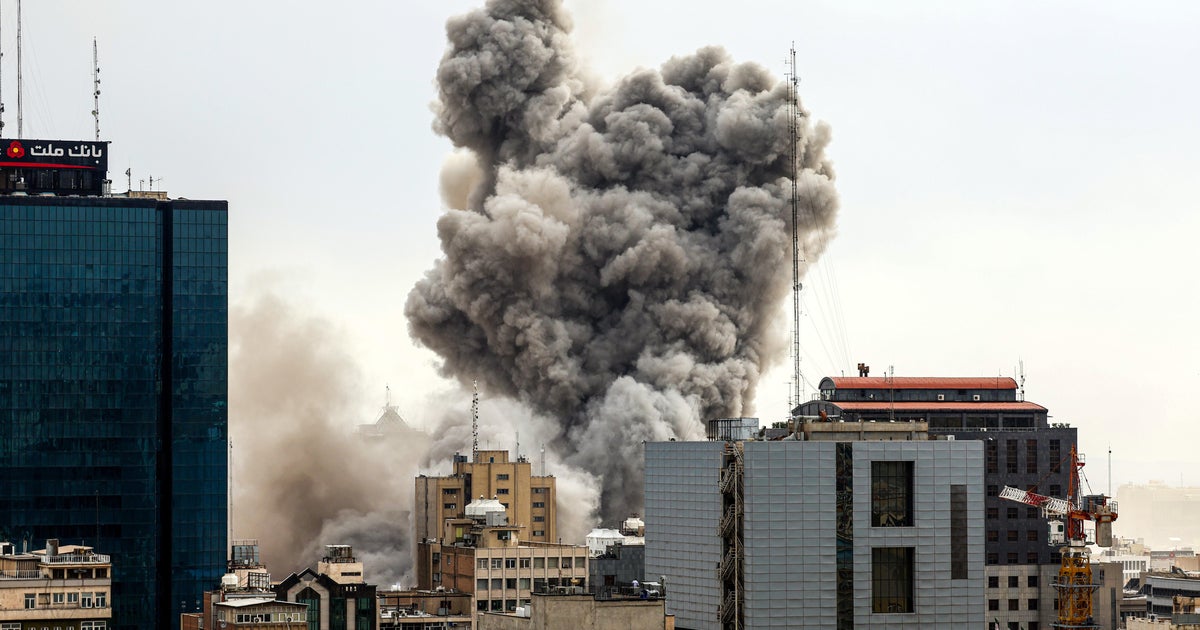
The majority of Americans feel left in the dark about what the Trump administration is trying to achieve in its escalating conflict with Iran. This lack of clear communication from Washington isn’t just frustrating citizens—it’s directly shaping whether they support or oppose the military action. According to a recent CBS News/YouGov survey, when Americans believe the administration hasn’t properly explained its goals, they’re significantly more likely to disapprove of the conflict altogether. This communication gap has created a troubling situation where citizens are being asked to support military action without understanding its purpose or endgame.
The survey reveals a clear pattern: explanation matters. People who feel they understand the administration’s objectives are more inclined to support the military action, while those who perceive a lack of clarity tend to oppose it. This finding underscores a fundamental principle of democratic governance—citizens deserve transparent communication from their leaders, especially when American forces are deployed in potentially dangerous situations. The administration’s failure to articulate clear, consistent goals has left many Americans uncertain about whether this conflict serves the national interest or represents a risky venture without a well-defined strategy.
Expectations of a Long, Drawn-Out Conflict
Perhaps even more concerning than the confusion over goals is the widespread belief that this won’t be a quick, decisive engagement. A full half of the American public expects the conflict with Iran to drag on for months or possibly even years before reaching any resolution. This pessimistic timeline stands in stark contrast to the swift military operations that some administration officials may have initially suggested. The expectation of a prolonged conflict brings with it concerns about sustained casualties, mounting costs, and the potential for mission creep—where limited objectives gradually expand into far more extensive commitments.
There’s a direct connection between understanding and timeline expectations. Americans who don’t believe the administration has clearly explained its goals are more likely to predict a longer conflict or to admit they simply don’t know how long it might last. This uncertainty feeds a cycle of disapproval and anxiety. Without clear objectives, there’s no way to measure success or determine when the mission has been accomplished. This ambiguity reminds many of past military engagements that began with limited goals but evolved into years-long commitments that proved difficult to exit. The specter of such open-ended conflicts hangs over public opinion, contributing to the overall skepticism about the current Iran operation.
Safety Concerns Outweigh Security Arguments
When it comes to the most immediate and personal question—whether this military action makes America safer or puts it at greater risk—the public’s answer is sobering. More Americans currently believe the conflict will make the United States less safe rather than more secure. This perception directly contradicts one of the primary justifications typically offered for military action: that it protects American citizens and national security interests. Instead, many citizens worry that attacking Iran might provoke retaliation, destabilize the region further, or inspire terrorist attacks against American targets at home or abroad.
This safety concern represents a significant political problem for the administration. National security is supposed to be the bedrock justification for military engagement, yet the public isn’t buying the argument that this conflict enhances American safety. Some Americans fear that military strikes might accelerate Iran’s nuclear ambitions rather than curtail them, while others worry about attacks on U.S. military personnel stationed throughout the Middle East. Still others express concern about potential cyberattacks on American infrastructure or threats to global oil supplies that could impact the economy. These multifaceted safety concerns reflect a public that has grown more sophisticated and skeptical about military interventions after decades of complex Middle Eastern conflicts.
A Public Guessing at Administration Motives
In the absence of clear communication from the White House, Americans have developed their own theories about what the administration is actually trying to accomplish. The range of perceived objectives is remarkably broad, reflecting both hopeful and cynical interpretations of the conflict’s purpose. Some Americans believe the goal is to prevent Iran from developing nuclear weapons—a objective that tends to generate support among those who hold this view. Others think the mission is primarily about stopping terrorism or supporting the Iranian people in their struggle against an oppressive regime. These interpretations generally correlate with approval of the military action.
However, a significant portion of the population has adopted a more skeptical perspective. These Americans suspect the conflict is primarily designed to generate political advantage for the administration domestically rather than to achieve legitimate foreign policy objectives. This cynical interpretation suggests that military action is being used as a distraction from domestic problems, a way to boost approval ratings, or a means of energizing the political base ahead of an election. Whether or not these suspicions are justified, the fact that many citizens question the fundamental motives behind military action represents a serious erosion of trust between the government and the governed. When people suspect political manipulation rather than genuine national security concerns, building public support for sustained military operations becomes extraordinarily difficult.
Sharp Political Divide Mirrors Broader Partisan Divisions
The overall picture shows most Americans disapproving of the military action against Iran, but this general disapproval masks a sharp partisan divide. President Trump’s Republican base, and particularly those who identify with the MAGA movement, stand solidly behind the administration’s actions. Most Republicans believe the conflict is making America safer rather than more vulnerable, directly contradicting the views of Democrats and many independents. This partisan split extends to procedural questions as well—while a substantial two-thirds of all Americans believe the administration should seek Congressional approval before taking further military action, Republicans largely dismiss this requirement as unnecessary.
This partisan pattern echoes previous surveys about potential military action in Venezuela and other foreign policy questions, suggesting that party loyalty has become the primary lens through which many Americans evaluate military decisions. For MAGA supporters specifically, faith in the president’s decision-making appears to override concerns about unclear objectives or potential risks. This unwavering support provides the administration with a solid base of approval even as overall public opinion trends negative. However, it also means the conflict has become yet another polarizing issue in an already divided nation, making it difficult to build the kind of broad, bipartisan consensus that has historically been considered important for sustained military operations.
Methodology and the Evolution of Opinion
The CBS News/YouGov survey provides particularly valuable insights because it recontacted the same Americans who were interviewed before the airstrikes began, allowing researchers to track how opinions shifted once military action moved from hypothetical to actual. Before the strikes commenced, somewhat more people indicated they would approve of military action specifically designed to prevent Iran from obtaining nuclear weapons than currently approve of the ongoing operations. This decline in support suggests that the reality of conflict—with its complexities, risks, and ambiguities—has proven less appealing than the abstract concept of preventing nuclear proliferation.
The survey, conducted March 2-3, 2026, with 1,399 U.S. adults (following an initial survey of 2,264 adults completed February 25-27, before military action began), carries a margin of error of ±3.2 percentage points. The movement toward disapproval appears concentrated among people who believe the administration hasn’t adequately explained its objectives and who expect either a lengthy conflict or are uncertain about its duration. This shift highlights how crucial clear communication and realistic expectations are to maintaining public support for military operations. As the conflict continues, the administration faces the challenge of either providing the clarity the public demands or watching support erode further among everyone except the most loyal partisan supporters.