
Israeli Soldier’s Desecration of Jesus Statue Sparks International Outrage
A Shocking Act in Southern Lebanon
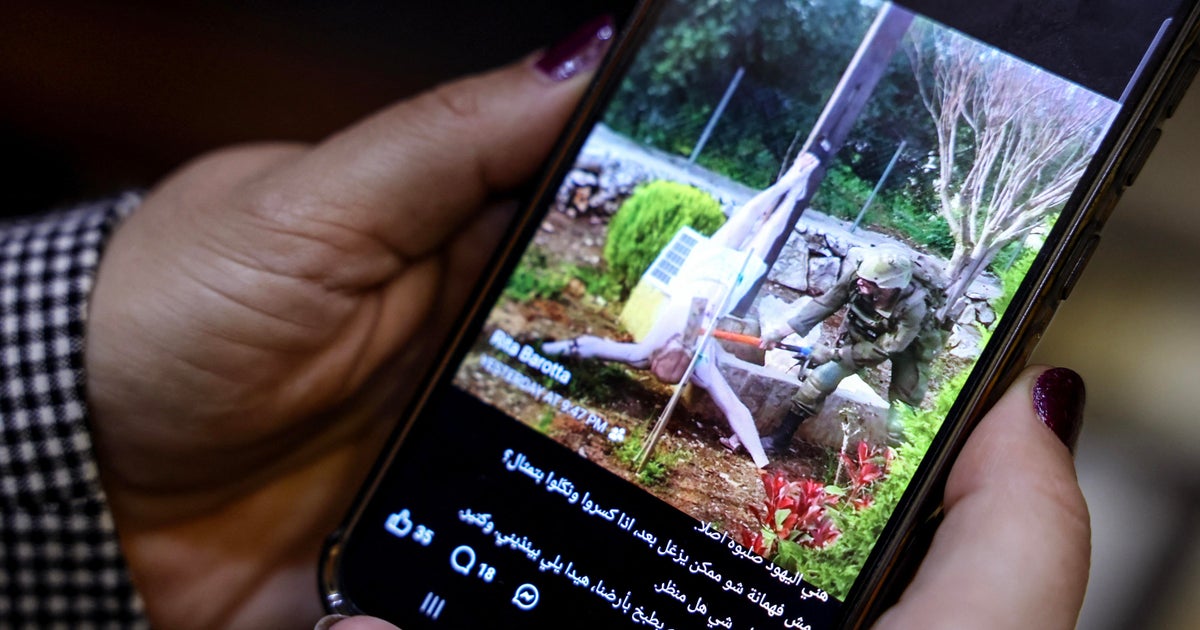
In an incident that has sent shockwaves through religious communities worldwide, an Israeli soldier was photographed using a sledgehammer to strike a statue of Jesus Christ in the southern Lebanese Christian village of Debl. The image, which rapidly spread across social media platforms, captured what many have described as an appalling act of religious desecration in an area near the Israeli border that has been under Israeli Defense Forces (IDF) occupation for several weeks. The statue stood in a predominantly Christian village that, like many others in the region, has been forced to evacuate tens of thousands of residents due to ongoing military operations. Local priest Fadi Falfel spoke with deep emotion about the incident, describing it as a “horrible thing” and a “desecration of our holy symbols.” The act has not only wounded the local Christian community but has resonated far beyond Lebanon’s borders, touching believers around the globe who view the deliberate destruction of religious symbols as a profound violation of sacred trust and human dignity.
Swift Condemnation from Israeli Leadership
Israeli Prime Minister Benjamin Netanyahu responded quickly to the mounting controversy, expressing that he was “stunned and saddened” by the photograph. In a carefully worded statement posted on social media platform X, Netanyahu condemned the soldier’s actions “in the strongest terms” and promised that military authorities would pursue “harsh disciplinary action against the offender.” His statement went further to express formal regret, acknowledging both the immediate hurt caused to Lebanese believers and the broader impact on Christian communities worldwide. This rapid response from Israel’s highest political office suggests an awareness of the potential diplomatic fallout from such an incident, particularly at a time when regional tensions remain extraordinarily high. Netanyahu’s condemnation reflects an understanding that actions targeting religious symbols transcend ordinary military operations and touch upon deeply held beliefs that unite communities across national boundaries. The Israeli leader’s public apology represents an attempt to contain the damage and reassure both domestic and international audiences that such behavior does not reflect official policy or the values that the Israeli military claims to uphold in its operations.
Military Response and Investigation
The Israel Defense Forces moved swiftly to confirm the authenticity of the viral photograph and announced that it was treating the incident with “great severity.” In their official statement, the IDF emphasized that the soldier’s conduct was “wholly inconsistent with the values expected of its troops,” distancing the institution from the individual’s actions. The military announced that the Israeli Northern Command had launched an investigation into the incident and that it was being “addressed through the chain of command,” though specific details about potential punishments remained vague. The IDF promised that “appropriate measures will be taken against those involved” but stopped short of specifying what those measures might entail or when they would be implemented. In an attempt at damage control, the Israeli military also announced it was working directly with the affected community in Lebanon to “restore the statue to its place,” a gesture intended to demonstrate respect for Christian religious sites. The military’s statement reiterated its official position that it is “operating to dismantle the terrorist infrastructure established by Hezbollah in southern Lebanon” and claimed it “has no intention of harming civilian infrastructure, including religious buildings or religious symbols.” However, critics have pointed out that intentions and outcomes often diverge significantly in conflict zones, where the fog of war and individual actions can undermine official policies regardless of stated objectives.
International and Religious Community Reactions
The incident has drawn sharp reactions from international observers and religious leaders who see it as emblematic of broader concerns about the treatment of civilians and sacred sites in conflict zones. Mike Huckabee, serving as the U.S. Ambassador to Israel, took to social media to demand that “swift, severe & public consequences are needed,” signaling that even close allies of Israel view the incident as requiring serious accountability measures. Huckabee’s statement is particularly significant given the traditionally strong relationship between the United States and Israel, suggesting that some actions cross lines that even steadfast supporters cannot ignore. The Christian community, both in Lebanon and internationally, has viewed the incident as part of a troubling pattern. The desecration comes against a backdrop of previous incidents, including a July 2025 Israeli strike on the only Catholic Church in Gaza that killed at least three people and wounded a priest. That earlier incident had already prompted Christian leaders from around the world to issue urgent appeals to Israel to cease what they characterized as the destruction of holy sites and civilian lives in Gaza and the West Bank. For many religious observers, the sledgehammer attack on the Jesus statue represents not merely an isolated act by one undisciplined soldier but rather a symptom of insufficient respect for religious sites and symbols in military operations throughout the region.
Context of Ongoing Conflict and Ceasefire
The statue incident occurred in the complex context of ongoing hostilities between Israel and Hezbollah, the Iran-backed militant group operating in Lebanon. The timing is particularly sensitive, coming just days after Israel and Lebanon agreed to a ten-day ceasefire on Thursday intended to halt fighting between the IDF and Hezbollah forces. The ceasefire followed a period of intense conflict during which Israeli forces had invaded southern Lebanon in response to Hezbollah’s rocket attacks on Israeli territory—attacks that Hezbollah characterized as retaliation for joint U.S.-Israeli strikes on Iran. This cycle of attack and counterattack has created a humanitarian catastrophe in Lebanon, with Lebanese officials reporting that nearly 2,300 people have been killed by the Israeli offensive in their country. Perhaps even more staggering is the displacement crisis, with more than one million Lebanese people forced to flee their homes due to the fighting. The predominantly Christian village of Debl, where the statue incident occurred, represents just one of many communities caught in the crossfire of this broader regional conflict. Tens of thousands of residents have been evacuated from areas near the Israeli border, leaving behind not only their homes but also their places of worship and the religious symbols that provide spiritual comfort and communal identity. The fact that such an incident could occur during what was supposed to be a period of de-escalation raises serious questions about discipline within military ranks and the challenges of enforcing respect for civilian and religious sites even when official policies mandate such protection.
Broader Implications and Path Forward
The sledgehammer incident carries implications that extend far beyond the immediate damage to a single statue. For Christian communities throughout the Middle East, already diminished and often feeling vulnerable amid regional conflicts, such acts reinforce fears about their long-term security and place in societies increasingly shaped by military operations and sectarian tensions. The incident also highlights the perennial challenge in modern warfare of maintaining discipline among troops operating in stressful, hostile environments where supervision may be inconsistent and where dehumanization of the enemy and their communities can lead to actions that violate both military codes of conduct and basic human decency. For Israel, the incident presents a diplomatic challenge at a moment when international scrutiny of its military operations remains intense. The quick condemnations from Netanyahu and the IDF leadership demonstrate awareness that such incidents can undermine Israel’s claims to moral authority and its assertions that it takes great care to distinguish between legitimate military targets and civilian infrastructure, including religious sites. The promise to restore the statue and take disciplinary action against the responsible soldier represents an attempt to demonstrate accountability, though critics will likely argue that isolated disciplinary measures do insufficient to address what they view as systemic problems in how military operations impact civilian populations and religious communities. Moving forward, the incident serves as a stark reminder that in conflicts where religious and national identities intersect, respect for sacred symbols is not merely a matter of military discipline but a fundamental requirement for any sustainable peace, as attacks on religious sites wound communities in ways that persist long after ceasefires are signed and troops withdraw.