
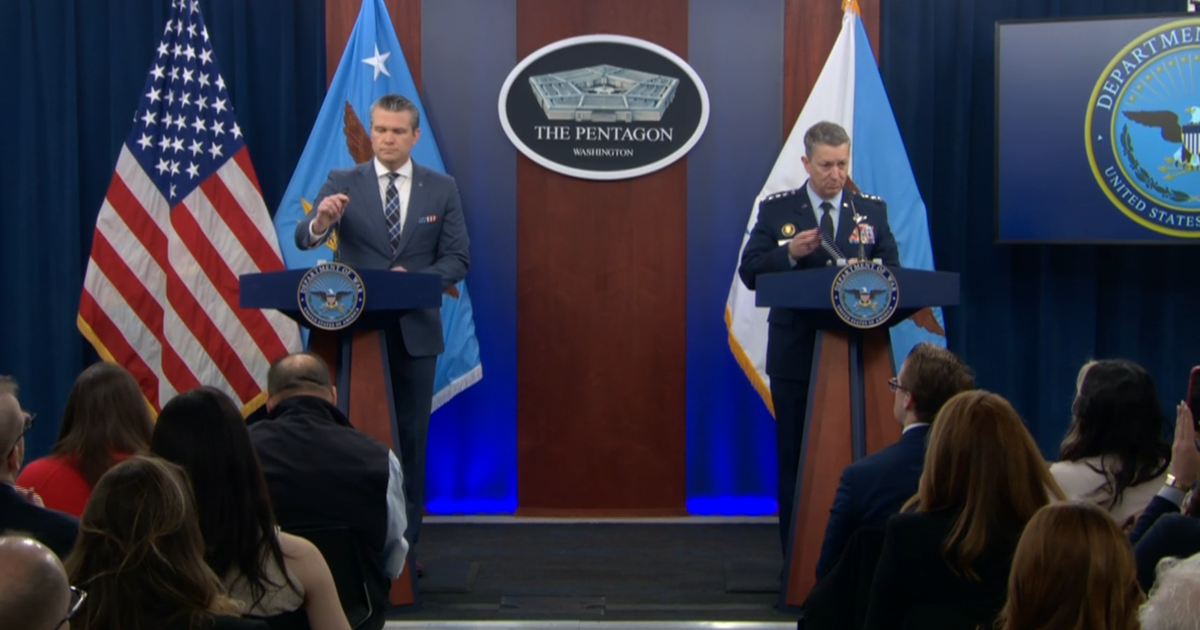

Pentagon Press Access Battle: A Constitutional Showdown Over Press Freedom
The Court Battle Intensifies
The ongoing conflict between The New York Times and the Pentagon has escalated into a full-blown constitutional crisis, revealing deep tensions between government security concerns and the fundamental right of press freedom. On a Monday hearing, The New York Times returned to federal court with serious allegations: the Pentagon, they claimed, had completely ignored a judge’s previous ruling designed to protect journalists’ access to the Defense Department. What makes this case particularly striking isn’t just the legal maneuvering—it’s what it represents for American democracy and the public’s right to know what their government is doing. U.S. District Judge Paul Friedman, who had previously sided with The Times just weeks earlier, found himself back in the courtroom listening to arguments about whether the Pentagon had genuinely complied with his order or had instead found creative ways to work around it. The newspaper’s legal team painted a troubling picture: Pentagon officials had supposedly responded to the court’s directive by implementing a revised policy that, while technically different from the one the judge had struck down, achieved essentially the same restrictive result. It’s a legal dance that raises fundamental questions about governmental compliance with judicial orders and the lengths to which officials might go to maintain control over information flow.
A Revised Policy That Looks Suspiciously Familiar
The heart of The New York Times’ complaint centers on what happened after Judge Friedman’s March 20 ruling. That initial decision had been clear and forceful: the Pentagon’s new credential policy violated journalists’ constitutional rights to free speech and due process. The judge ordered defense officials to restore press credentials to seven Times reporters and made it clear his decision wasn’t limited to just those individuals—it applied to “all regulated parties.” That should have been the end of it, a clear judicial statement protecting press freedom. Instead, according to the newspaper’s attorney Theodore Boutrous, the Pentagon responded by crafting a new policy that imposed what he called “radical new restrictions” on journalists. “They’ve only made things worse,” Boutrous told the court, suggesting that rather than opening doors, the Pentagon had simply found new ways to keep them closed. The government’s perspective, presented by attorney Sarah Welch, painted an entirely different picture. She argued that the Defense Department’s revised policy actually included several “safe harbors” designed to protect reporters engaged in routine newsgathering activities. The department, she insisted, had “fully complied in good faith” with the judge’s March 20 order. These starkly different interpretations of the same policy highlight how government bureaucracies can use complexity and technical language to create policies that appear compliant while potentially undermining the spirit of what courts intended.
The Kafkaesque Pentagon Library Situation
Perhaps nothing better illustrates the absurdity of the current situation than what happened with the Pentagon library press area—a detail that even caught Judge Friedman’s attention in a memorable way. According to Times national security reporter Julian Barnes, who has covered the Pentagon for two decades, Pentagon staff explained that reporters’ new credentials would grant them access to a new press area located in the Pentagon library. On the surface, this might sound reasonable—a designated space for journalists to work. The problem? The only ways for reporters to actually reach this library were through a corridor or via a shuttle bus that the journalists didn’t initially have permission to use. It’s a situation so circular and self-defeating that Judge Friedman himself couldn’t help but respond with obvious frustration: “How weird is that? Is it Catch-22? Is it Kafka? What’s going on here?” The judge’s reference to Catch-22, Joseph Heller’s satirical novel about circular bureaucratic logic, and Franz Kafka, whose works epitomize nightmarish bureaucracy, perfectly captured the situation’s absurdity. Here were journalists granted access to a space they couldn’t actually access—a permission that was simultaneously a prohibition. This wasn’t just an administrative oversight; it appeared to be the logical outcome of a policy designed to appear compliant while actually maintaining restrictions that effectively kept reporters from doing their jobs.
The Escort Requirement and Source Protection Issues
The revised Pentagon policy introduced two particularly troubling requirements that strike at the heart of independent journalism. First, credentialed reporters would no longer be allowed to enter the Pentagon building without an escort from the Department, and that escort would only be provided for pre-arranged interviews, press conferences, or other specified events. Reporters would need to submit requests at least a day in advance, with approvals granted by the Pentagon Office of Public Affairs. Julian Barnes pointed out the obvious problem: this requirement rendered the Pentagon Facility Alternate Credentials (PFACs) essentially “worthless,” because all reporters—even those without credentials—could access the Pentagon if pre-approved by the press office. In his two decades covering the Pentagon, Barnes said this was the first time the Department had ever barred reporters with Pentagon press credentials from entering without an escort, reservation, or invitation to a specific event. This represents a fundamental shift from reporters having access to observe and gather information independently to requiring permission for every step they take. Second, the policy imposed unprecedented rules dictating when reporters could offer anonymity to sources—a cornerstone of investigative journalism. Protecting sources is essential for journalists covering national security, where employees might face severe consequences for speaking truthfully about government activities. By imposing restrictions on source anonymity, the Pentagon effectively gained control over not just physical access but also the journalistic process itself.
The Bigger Picture: Press Freedom Under Pressure
This legal battle didn’t emerge from nowhere—it’s the culmination of a longer conflict that began when the Pentagon implemented its controversial new credential policy. In October, reporters from mainstream news outlets made a dramatic statement by walking out of the building rather than comply with the new rules. By December, The Times had filed its lawsuit against the Pentagon and Defense Secretary Pete Hegseth, challenging the policy as unconstitutional. The newspaper’s attorneys accused the Pentagon of violating Judge Friedman’s March 20 order “both in letter and spirit.” The Justice Department, defending the Pentagon, argued that the court’s order didn’t prohibit the Pentagon from revising its press credential policy or issuing new press access policies. They suggested The Times was asking the court to expand its order beyond what it actually said, preventing the Department from ever addressing Pentagon security through credentialing policies. Pentagon spokesperson Sean Parnell indicated the administration would appeal Friedman’s decision. The Pentagon Press Association, which includes reporters from CBS News and Associated Press, weighed in supporting The Times’ position, noting that the interim policy preserved provisions Friedman had deemed unconstitutional while adding new restrictions. They pointed out that the policy moved reporters’ workspace to an annex facility outside the Pentagon and prohibited reporters from moving within the Pentagon without an escort, “further limiting their ability to actually do journalism in the forum designated specifically for that purpose.” Currently, the Pentagon press corps consists mostly of conservative outlets that agreed to the policy, while journalists from outlets that refused—including CBS News and the AP—have continued reporting on the military from outside the building.
Why This Matters for American Democracy
Judge Friedman, nominated to the bench by President Bill Clinton, made a point of emphasizing why this case matters beyond the immediate parties involved. In his order, he noted that recent U.S. military operations in Venezuela and Iran highlight the critical need for public access to information about government activities. This observation cuts to the heart of democratic governance: in a republic, the government operates with the consent of the governed, and that consent must be informed. When the government conducts military operations, spends taxpayer money, or makes decisions that affect national security and potentially American lives, the public has a right—and a need—to know what’s being done in their name. Journalists serve as the public’s eyes and ears, particularly in areas like the Pentagon where most citizens will never have direct access. When government officials restrict journalists’ ability to gather information independently, they’re not just inconveniencing reporters—they’re limiting the public’s ability to hold government accountable. The situation also raises troubling questions about government compliance with judicial orders. When a federal judge issues a clear ruling protecting constitutional rights, and the government responds with a revised policy that arguably achieves the same restrictive ends through different means, it suggests a willingness to prioritize control over compliance. This case will likely have implications far beyond the Pentagon’s hallways, potentially setting precedents for how government agencies balance security concerns with constitutional press freedoms, and how courts enforce their orders when government entities find creative ways to circumvent them. As this legal battle continues, what’s ultimately at stake isn’t just journalists’ access to a building—it’s the principle that in a democracy, the government cannot simply lock out the watchdogs the public depends on to keep it honest.