
Nigeria Convicts Over 300 Terrorism Suspects in Historic Four-Day Mass Trial
Swift Justice in Response to Growing Security Threats
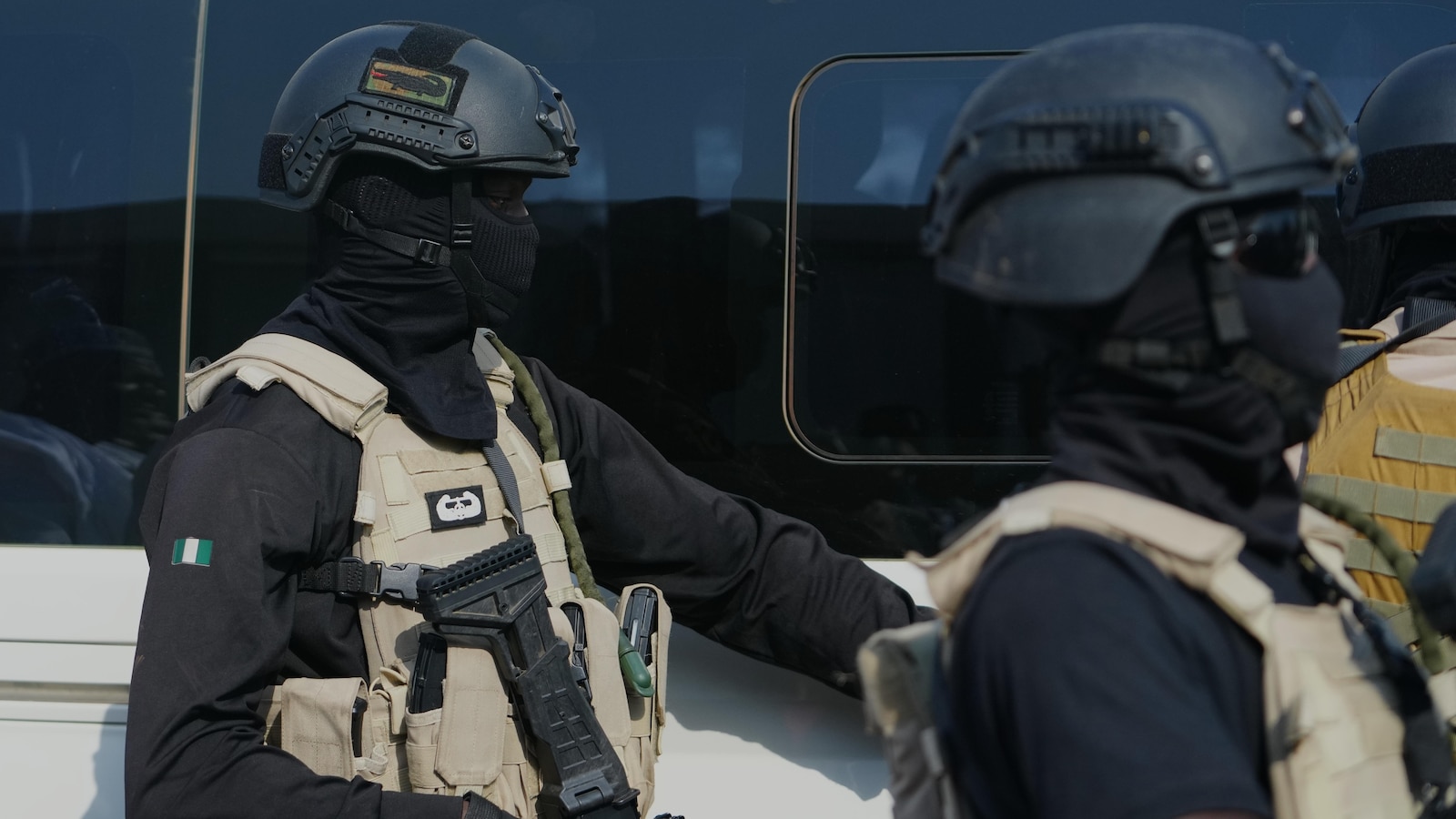
In a remarkable judicial proceeding that concluded on Friday, a Nigerian court in the nation’s capital, Abuja, handed down convictions to more than 300 individuals accused of terrorism-related offenses. The mass trial, which commenced on Tuesday and wrapped up just four days later, represents one of the most significant legal actions taken by the Nigerian government in its ongoing battle against various security threats plaguing the nation. The proceedings involved a panel of ten judges who heard cases and delivered sentences that ranged up to 20 years in prison for those found guilty. What made this trial particularly noteworthy was the sheer number of defendants processed in such a compressed timeframe, as well as the fact that many of the accused chose to plead guilty to the charges brought against them by Nigerian authorities. This unprecedented approach to handling terrorism cases reflects the Nigerian government’s determination to demonstrate that it is taking decisive action against those who threaten the country’s security and stability.
The Numbers Behind Nigeria’s Legal Crackdown
The scope of this judicial undertaking was truly extensive, as revealed by Nigeria’s attorney general in a press conference following the conclusion of the trials on Friday. According to the official figures provided, prosecutors brought forward approximately 508 cases for consideration during the four-day period. Of these cases, the government successfully secured convictions in 386 instances, representing a conviction rate of more than 75 percent. The attorney general emphasized the significance of these outcomes, stating that the government had “been able to bring justice to them, or bring them to justice,” underscoring the dual purpose of the proceedings—both punishing those responsible for security threats and providing a sense of closure for victims of terrorism-related violence. The official characterized the mass trial and its results as “the clear signal that we are sending,” suggesting that the Nigerian government intends for these convictions to serve as a deterrent to others who might be contemplating involvement in terrorist activities or other forms of violence that have destabilized large portions of the country, particularly in the northern regions.
Understanding Nigeria’s Multifaceted Security Crisis
To fully appreciate the significance of these mass convictions, it’s essential to understand the complex and layered security challenges that Nigeria has been grappling with for years. The country faces what can only be described as a multifaceted security crisis, with the northern regions bearing the brunt of the violence. At the heart of these troubles is an insurgency that has been raging for more than a decade, primarily in the northeastern part of the country. This long-running conflict has evolved over the years, with various armed groups emerging, splintering, and forming new alliances, creating an ever-shifting landscape of threats. These groups don’t just engage in ideological warfare; many have turned to kidnapping for ransom as a lucrative criminal enterprise, targeting locals and foreigners alike. The insurgency has fundamentally altered life in affected regions, forcing countless families to flee their homes, disrupting education and economic activities, and creating a humanitarian crisis that has drawn international attention and concern from United Nations agencies and other humanitarian organizations.
The Major Players in Nigeria’s Terror Landscape
Among the most dangerous and well-known militant organizations operating in Nigeria are several Islamic extremist groups that have caused tremendous suffering and destruction. Boko Haram, perhaps the most internationally recognized of these groups, has been responsible for countless attacks, bombings, and kidnappings over the past decade, including the infamous 2014 abduction of more than 270 schoolgirls from Chibok that drew worldwide condemnation. The group’s name roughly translates to “Western education is forbidden” in the local Hausa language, reflecting its opposition to Western influence and modern education. Adding to the complexity, a breakaway faction of Boko Haram formed and pledged allegiance to the Islamic State terror group, becoming known as Islamic State West Africa Province (ISWAP). This IS-affiliated faction has proven to be just as deadly, if not more sophisticated in its operations, than the original group. More recently, another Islamic State-linked organization called the Lakurawa group has established a presence in northwestern communities near Nigeria’s border with Niger Republic, expanding the geographic scope of extremist threats facing Nigerian security forces.
Beyond Extremism: Ethnic and Criminal Violence
However, terrorism and religious extremism tell only part of Nigeria’s security story. The country also faces violence stemming from longstanding ethnic and economic tensions that have deep historical roots. In the north-central and northwestern regions, deadly clashes regularly erupt between predominantly Muslim Fulani herders and largely Christian farming communities over land use and grazing rights. These disputes, while ostensibly about resources and territory, have taken on increasingly dangerous sectarian dimensions, with both sides suffering casualties in cycles of attack and retaliation. Climate change and desertification have intensified these conflicts by reducing available arable land and forcing herders to migrate further south in search of pasture for their livestock, bringing them into closer contact—and conflict—with settled farming populations. Additionally, criminal gangs that have no particular ideological motivation beyond profit have proliferated throughout the northern regions, engaging in kidnapping for ransom as a business model. These bandits, as they’re often called locally, have targeted schools, travelers on highways, and entire villages, demanding payment for the release of captives and creating an atmosphere of fear that has paralyzed economic activity in some areas.
The Human Cost and Path Forward
The humanitarian consequences of Nigeria’s security crisis have been staggering and heartbreaking. According to United Nations reports and assessments, the insurgency in the northeast alone has resulted in the deaths of tens of thousands of people—both civilians and combatants—and has displaced millions more from their homes. Entire communities have been uprooted, with many residents now living in overcrowded camps for internally displaced persons where conditions are often dire, with insufficient food, clean water, medical care, and educational opportunities for children. The psychological trauma inflicted on survivors, particularly children who have witnessed violence or been separated from family members, will require years of support and healing. The mass trial that concluded in Abuja represents one approach to addressing this crisis—holding individuals accountable for their roles in perpetuating violence and insecurity. However, legal proceedings alone cannot resolve the underlying issues that have allowed extremism and violence to take root. Nigeria will need sustained efforts on multiple fronts, including economic development in marginalized regions, addressing grievances related to resource allocation and political representation, improving security force effectiveness while ensuring respect for human rights, and perhaps most importantly, providing educational and economic opportunities for young people who might otherwise be vulnerable to recruitment by extremist groups or criminal gangs. The convictions announced this week may send a strong message, but lasting peace will require comprehensive strategies that address both the symptoms and root causes of Nigeria’s security challenges.