


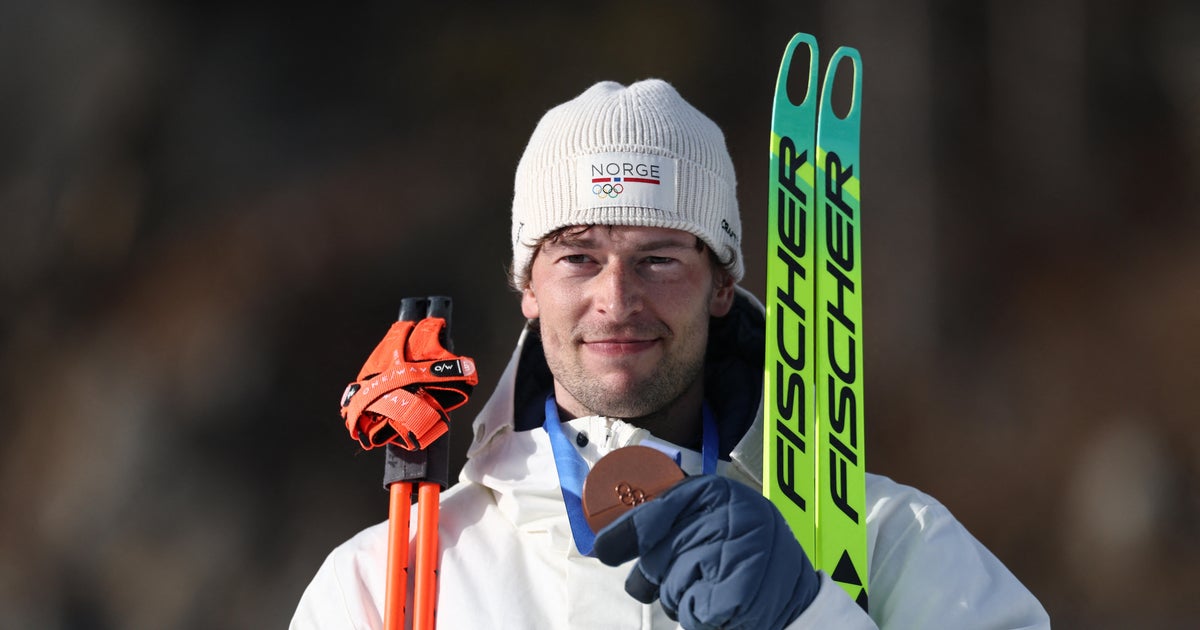

Norwegian Biathlete Wins Bronze Medal Days After Public Apology for Infidelity
An Unexpected Confession Overshadows Olympic Glory
Sturla Holm Laegreid of Norway found himself at the center of controversy at the Milan Cortina Olympics, not just for his athletic achievements but for a deeply personal revelation he made during what should have been a celebratory moment. The Norwegian biathlete secured a bronze medal in the men’s sprint biathlon race on Friday, marking his second medal of the games. However, this victory came just three days after he made headlines for an entirely different reason—a tearful, live television confession about cheating on his girlfriend. During a post-race interview following his bronze medal win in the 20-kilometer individual race on Tuesday, Laegreid chose to use his moment in the spotlight to publicly apologize for his infidelity and plead for his ex-girlfriend to take him back. The unexpected emotional display caught viewers off guard and quickly became the talk of the Olympics, raising questions about the appropriateness of such personal revelations in professional sports settings.
The Confession Heard Around the World
In the live broadcast following his first bronze medal win, Laegreid opened up about what he described as “the worst week of my life.” He revealed that he had confessed to being unfaithful to his girlfriend just one week before his Olympic victory, and that she had ended their relationship as a result. His words were raw and unfiltered as he spoke to Norwegian Broadcasting Corp, saying, “I told her a week ago. And it’s been the worst week of my life. I had a gold medal in life, and there’s probably a lot of people out there who look at me differently now, but I only have eyes for her.” The athlete’s vulnerability was on full display as he continued, acknowledging that “sports has taken a bit of a back seat these past couple of days,” and expressing his wish that he could share his Olympic achievement with her. Laegreid didn’t hold back in expressing his remorse, stating that he regretted his behavior “with all (his) heart” and that he accepted “the consequences of what (he’d) done.” His strategy seemed to be one of complete transparency—he hoped that by putting “it all on the table” publicly, his ex-girlfriend might reconsider and give him another chance.
The Unwilling Participant in a Public Drama
While Laegreid may have thought his public confession would demonstrate his sincerity and commitment to making amends, the response from his ex-girlfriend suggested that she was far from pleased with being thrust into the international spotlight. Local media reported that the woman, whose identity has been kept private, made it clear that she had not consented to having her personal life become part of the Olympic narrative. “I did not choose to be in this position, and it hurts to have to be in it,” she said according to reports from CBS Sports. She confirmed that the two had been in contact and that Laegreid was “aware of my positions on this,” suggesting that she had already communicated her feelings about the situation privately. Her statement highlighted an important dimension of the controversy—while Laegreid may have felt entitled to share his side of the story and make his apology public, his ex-girlfriend had her privacy violated in the process. She became an unwilling character in a drama that was being played out on the world stage, with millions of viewers suddenly aware of intimate details of her personal life that she never chose to share publicly.
Criticism for Overshadowing a Teammate’s Triumph
Beyond the questions about the appropriateness of airing personal relationship issues in such a public forum, Laegreid faced criticism for another reason—his emotional confession ended up overshadowing what should have been a day of celebration for his teammate Johan-Olav Botn, who had won the gold medal in that same event. The day that should have been focused on Botn’s achievement and Norway’s success in biathlon instead became dominated by discussion of Laegreid’s personal life and romantic troubles. This criticism seemed to resonate with Laegreid himself, who issued a statement through the Norwegian team on Wednesday, the day after his controversial interview. In it, he expressed that he “deeply regretted sharing this personal story on what was a day of celebration for Norwegian biathlon.” The statement suggested that upon reflection and likely after receiving feedback from his team, coaches, and the public, Laegreid recognized that his timing and choice of venue for his personal apology had been inappropriate. The incident raised broader questions about athletes’ responsibilities to their teams and whether personal matters should be kept separate from professional achievements, especially during major international competitions where the focus should be on athletic performance and team success.
Moving Forward: A Second Bronze Medal
Despite the swirling controversy and emotional turmoil, Laegreid managed to compete again on Friday in the men’s sprint biathlon race, where he once again claimed a bronze medal. This second podium finish demonstrated remarkable focus and mental fortitude, considering the very public nature of his personal struggles and the criticism he had received in the days leading up to the race. The sprint race itself was won by France’s Quentin Fillon Maillet, who secured his second gold medal of the Milan Cortina Games after previously winning in the mixed relay event. Norway’s Vetle Sjaastad Christiansen took the silver medal, rounding out the podium. For Laegreid, the ability to perform at such a high level while dealing with a breakup, public scrutiny, and the fallout from his controversial confession speaks to his abilities as an elite athlete. However, questions remained about whether the emotional weight of the situation might have affected his performance, and whether he might have achieved even better results if he had chosen to keep his personal life private during the competition. The back-to-back bronze medals were still significant achievements, but they would forever be linked in the public memory to the personal drama that unfolded alongside them.
Lessons About Privacy, Timing, and Public Apologies in the Social Media Age
The Sturla Holm Laegreid situation offers important lessons about the intersection of personal life, professional athletics, and public communication in our current era of constant media coverage and social media scrutiny. While public figures, including athletes, are increasingly expected to be authentic and vulnerable with their audiences, this incident demonstrates that there are boundaries that should be respected and considerations that must be taken into account. Laegreid’s instinct to be honest and transparent was perhaps admirable in some ways, but his execution—choosing a post-race interview at the Olympics, without his ex-girlfriend’s consent, and on a day that should have celebrated his teammate—showed poor judgment. The incident raises questions about whether athletes receive adequate guidance on media interactions and how to handle personal crises during major competitions. It also highlights the sometimes unrealistic expectations placed on athletes to share every aspect of their lives with the public. Moving forward, this case may serve as a cautionary tale for other athletes about the importance of timing, consent, and considering all the people who might be affected by public statements. While Laegreid’s athletic achievements at the Milan Cortina Olympics were noteworthy, his legacy from these games will likely be defined as much by his controversial confession as by his medals—a reminder that in the age of instant global communication, a single interview can have consequences that extend far beyond the initial moment, affecting not just the speaker but everyone connected to the story.