
The Underwater Paradise of Raja Ampat: Balancing Conservation with Development
A Marine Wonderland Under Threat
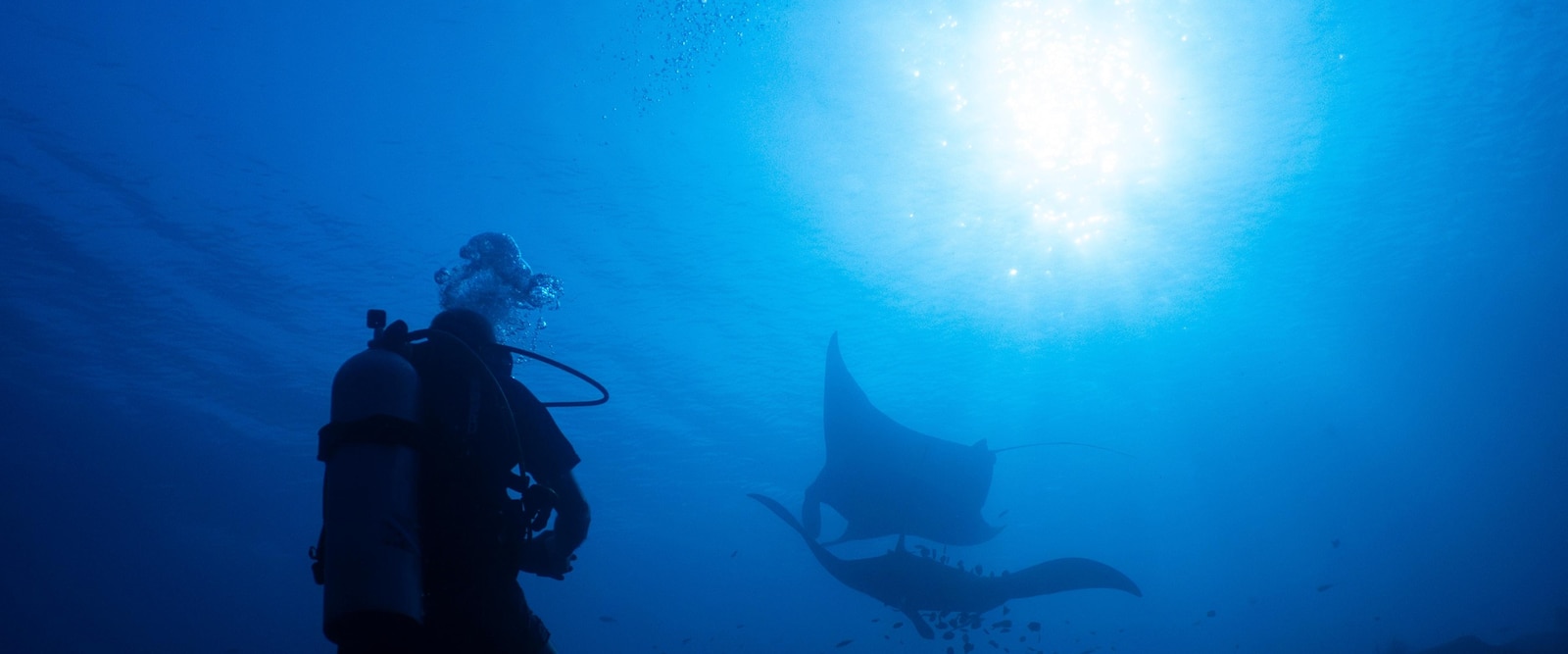
Beneath the crystalline waters of Raja Ampat, an isolated archipelago nestled in eastern Indonesia, lies what scientists consider Earth’s most spectacular underwater treasure. This remote collection of islands showcases an explosion of marine life so vibrant and diverse that it captivates everyone who ventures into its depths. Sharks cruise gracefully through the water, massive manta rays glide effortlessly along ocean currents, and ancient sea turtles navigate through intricate formations of sea fan corals—some species found nowhere else on the planet. According to Mark Erdmann, an American coral reef biologist who has dedicated over twenty years to studying this remarkable region, there simply isn’t another place on Earth that concentrates such an abundance of fish, corals, and marine life in one relatively small area. Located at the very heart of the Coral Triangle in southwestern Papua, Raja Ampat benefits from powerful ocean currents that deliver a constant supply of nutrients, sustaining what researchers describe as the most biodiverse marine ecosystem anywhere in the world. For years, this archipelago has served as an international model for successful ocean conservation, demonstrating how protective measures can restore and maintain healthy marine environments. However, this conservation success story now faces mounting challenges as the region grapples with two conflicting forces: the expansion of nickel mining operations and an unprecedented surge in international tourism, both threatening to undermine decades of careful environmental stewardship.
From Devastation to Recovery: A Conservation Success Story
The pristine reefs that today attract divers from around the globe weren’t always in such remarkable condition. In the early 2000s, Raja Ampat’s marine environment faced severe degradation as fishermen from across Indonesia and Southeast Asia descended on these waters armed with explosives and industrial-sized nets. Their destructive fishing methods damaged delicate coral formations and virtually wiped out shark populations, fundamentally disrupting the ecosystem’s balance. Local residents who had traditionally relied on fishing for their livelihoods found themselves forced to venture as far as 10 kilometers offshore just to find enough fish to sustain their families. During this period, the Indonesian government prioritized mining and forestry as the region’s primary economic drivers, with little consideration for the environmental consequences. The turning point came in 2023 when Conservation International conducted a comprehensive marine assessment that sparked crucial conversations between local leaders and environmental organizations. These discussions explored how protecting Raja Ampat’s waters could simultaneously deliver food security, generate sustainable tourism revenue, and safeguard one of the ocean’s most critical ecosystems. Syafri Tuharea, a conservation expert who now heads the Raja Ampat Marine Conservation Area, recalls organizing trips for local leaders to visit more developed tourist destinations like Bunaken and Bali, allowing them to witness firsthand the tangible benefits of proper natural resource management. These educational exchanges planted the seeds for transformative change, leading to the establishment of ten marine protected areas starting in 2007, ultimately covering an impressive 2 million hectares—an area encompassing 45% of Raja Ampat’s reefs, seagrass beds, and mangrove forests. Today, local communities have taken ownership of their waters, conducting regular patrols, enforcing fishing regulations, and monitoring tourism activities, largely funded through tourism revenues including a marine park entry fee. After two decades of dedicated protection, the results speak volumes about the effectiveness of community-based conservation: a 2024 report from the Misool Foundation documented a stunning 109% increase in fish biomass, a key indicator of overall ecosystem health, while these same protected waters now host over 2,000 documented reef manta rays—a remarkable population for a species facing vulnerability to extinction throughout much of the Indo-Pacific region.
The Nickel Dilemma: Green Energy’s Hidden Cost
Just as Raja Ampat’s conservation efforts were yielding impressive results, a new challenge emerged from an unexpected source: the global transition to renewable energy. The worldwide shift away from fossil fuels has dramatically increased demand for nickel, a critical component in electric vehicle batteries and essential infrastructure for wind and solar power generation. Indonesia holds approximately 43% of the world’s nickel reserves, according to the U.S. Geological Survey, making the mineral central to the country’s economic development strategy. In 2025, the Indonesian government granted new nickel mining concessions on three northern Raja Ampat islands, some within areas designated as a UNESCO Global Geopark and perilously close to the archipelago’s premier diving sites. This decision has ignited fierce tensions within communities that depend almost entirely on fishing and tourism—industries that could be catastrophically compromised by mining operations. Following intense public outcry during the summer, authorities revoked four of the concessions, but one remains active on Gag Island, where mining operations began back in 2017. Timon Manurung, director of Indonesian environmental group Auriga Nusantara, reports that heavy machinery, excavators, and bulldozers remain scattered across the islands, with no clear plan or responsibility assigned for repairing the environmental damage already inflicted. The environmental risks associated with nickel mining are significantly amplified by Raja Ampat’s unique geography—the islands feature steep terrain and receive intense rainfall, conditions that can rapidly wash sediment from mining sites directly into surrounding waters. As Tuharea, the marine park manager, bluntly warns, the inevitable result will be the death of coral reefs. The affected zone also encompasses a critical migration corridor for reef manta rays, one of the archipelago’s biggest attractions for diving tourism. Beyond the immediate marine concerns, the region contains extensive seagrass meadows and mangrove forests—coastal ecosystems that, despite covering only 0.1% of the ocean floor and 1% of global tropical forests, function as powerful natural carbon sinks that absorb carbon dioxide and help regulate the planet’s climate. A March study by Manurung’s environmental group documented nearly 1,000 hectares of deforestation—a figure that might seem modest by Indonesia’s standards but represents a devastating loss for these small islands and their fragile ecosystems.
Tourism Boom: Blessing or Burden?
From scenic viewing decks overlooking Raja Ampat’s stunning Waigeo Barat islands, visitors from France, Spain, the United States, and dozens of other countries watch boats sail across waters that shift between countless shades of turquoise and deep blue. While total visitor numbers have remained relatively steady over the past decade, the composition of tourism has undergone a dramatic transformation. Foreign tourists now account for a staggering 95% of the roughly 42,000 annual visitors, while domestic tourism has plummeted by more than two-thirds during the same period. International tourists predominantly travel on liveaboard boats for week-long diving expeditions, a trend that has accelerated rapidly according to Kristanto Umbu Kudu, who has guided divers through these waters for a quarter century. However, conservationists increasingly worry that this shift is placing growing strain on the very reefs that attract these visitors, primarily through damage from anchoring, as well as waste and sewage discharge directly into the marine environment. Tuharea reveals that in 2024 alone, 218 tourist ships visited the area, prompting him to ask a troubling question: can anyone imagine how many square meters of coral reef are being destroyed by all those anchors? At Blue Magic, recognized as one of the archipelago’s premier dive sites, the once crystal-clear waters now frequently contain pink jellyfish tangled in floating plastic waste—a sight that, as Erdmann describes it, breaks his heart every time he witnesses these massive rafts of floating pollution. Authorities are now actively considering implementing permanent mooring systems and imposing restrictions on boat numbers to mitigate the environmental impact, but these measures may come too late for some damaged sections of reef.
The Irreplaceable Value of Biodiversity
Despite the mounting pressures, divers who have explored reefs throughout the world consistently maintain that Raja Ampat remains in a category of its own. Pol Ramos, a Spanish marine biologist and co-founder of Odicean, a project combining ocean education with dive expeditions, describes the region’s ecosystems as truly remarkable, explaining that it represents one of the few places in the world—alongside the Amazon rainforest—where biodiversity actually increases from year to year rather than declining. Raja Ampat hosts approximately 75% of the world’s known hard coral species and more than 1,700 species of fish, creating an underwater landscape of almost incomprehensible richness and complexity. However, what’s ultimately at stake extends far beyond the immediate loss of beautiful ecosystems—it’s the genetic diversity they contain that represents the real treasure. Every species carries millions of years of evolutionary information encoded within its DNA, which Erdmann describes as nature’s library of solutions to environmental challenges. As humanity faces an increasingly uncertain future shaped by climate change, this genetic diversity represents our working toolkit for adaptation and survival. The coral species that have evolved to withstand temperature fluctuations, the fish that have adapted to varying oxygen levels, the mangroves that can filter pollutants—each organism holds potential answers to questions we haven’t even thought to ask yet. Losing these species means permanently closing chapters in that library before we’ve had the chance to read them, eliminating potential solutions to future environmental crises. The situation in Raja Ampat therefore represents more than a local conservation challenge—it’s a microcosm of the global struggle to balance economic development, environmental protection, and the long-term survival of ecosystems that humanity ultimately depends upon for its own survival and prosperity in an uncertain climate future.