
Oil Markets Shake as Middle East Tensions Threaten Global Energy Supply
Sharp Price Increases Follow Regional Military Strikes
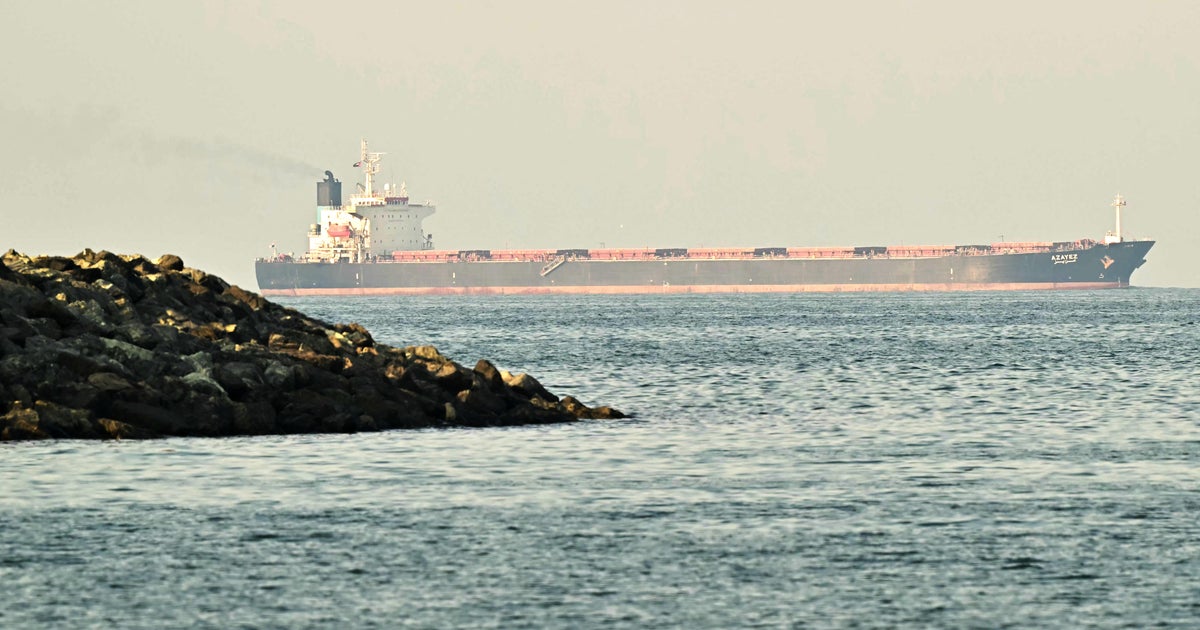
When oil markets opened on Sunday, traders watched nervously as prices jumped dramatically in response to escalating military tensions in the Middle East. The catalyst for this market uphulnerability came from a series of U.S. and Israeli attacks on Iran, followed by Iranian retaliatory strikes targeting both Israeli territory and American military installations scattered around the Persian Gulf region. West Texas Intermediate crude oil, the benchmark light, sweet crude produced in the United States, saw its price surge to approximately $72 per barrel by Sunday night—a significant 8% increase from Friday’s closing price of around $67. This sudden price spike reflects the market’s immediate concern about potential disruptions to the global energy supply chain, as traders began factoring in the very real possibility that oil flowing from Iran and neighboring Middle Eastern nations could slow to a trickle or stop entirely. The anxiety gripping energy markets wasn’t merely speculative fearmongering; attacks were already occurring throughout the region, including direct strikes on two commercial vessels navigating through the Strait of Hormuz, the narrow waterway that serves as the Persian Gulf’s gateway to the open ocean.
The Critical Chokepoint That Powers the World
The Strait of Hormuz isn’t just another shipping lane—it’s the most strategically important oil passageway on the planet. According to energy analysts at Rystad Energy, approximately 15 million barrels of crude oil pass through this narrow strait every single day, representing roughly 20% of the world’s entire oil supply. To put that in perspective, one-fifth of all the oil consumed globally depends on the safe passage through this relatively small waterway bordered to the north by Iran. The tankers that navigate these waters carry petroleum and natural gas from some of the world’s largest producers, including Saudi Arabia, Kuwait, Iraq, Qatar, Bahrain, the United Arab Emirates, and Iran itself. The geographic reality creates an unavoidable vulnerability in the global energy system—there simply aren’t easy alternatives if this route becomes impassable or too dangerous for commercial shipping. Iran had already demonstrated its willingness to use control over the strait as leverage when it temporarily shut down portions of the waterway in mid-February, officially describing the action as a military drill. Now, with active military conflict in the region and attacks already targeting vessels in these waters, the prospect of further disruptions looms large, threatening to constrict global oil supply and drive prices even higher for both crude oil and the gasoline that consumers pump into their vehicles.
Simple Economics With Complicated Global Consequences
CBS News MoneyWatch correspondent and “CBS Saturday Morning” co-host Kelly O’Grady explained the situation in straightforward economic terms that cut through the complexity. “It’s a really supply-and-demand, simple economics equation,” she noted. “If you were to decrease the global supply by cutting off the Strait of Hormuz and preventing that oil that flows through, you would see prices spike.” This basic economic principle—restricted supply leads to higher prices—means that American drivers could soon see the impact at their local gas stations, even though the conflict is happening thousands of miles away. The interconnected nature of global energy markets means that disruptions in one region create ripple effects everywhere. Energy experts warned that the attacks on vessels and the broader military confrontation could restrict the ability of multiple countries to export their oil to the rest of the world, creating a supply squeeze that would inevitably translate into higher costs for consumers. The situation highlights how vulnerable modern economies remain to geopolitical instability in key energy-producing regions, despite decades of discussion about energy independence and diversification of supply sources.
OPEC+ Responds But Questions Remain About Effectiveness
Against this increasingly tense backdrop, eight countries belonging to the OPEC+ oil cartel announced a coordinated response on Sunday aimed at calming markets and preventing runaway price increases. The Organization of Petroleum Exporting Countries, in a meeting that had actually been scheduled before the current crisis erupted, announced plans to increase crude oil production by 206,000 barrels per day starting in April—a larger production boost than many market analysts had anticipated. The countries committing to this increased output include some of the world’s largest oil producers: Saudi Arabia, Russia, Iraq, the United Arab Emirates, Kuwait, Kazakhstan, Algeria, and Oman. On the surface, this coordinated production increase appears to be exactly the kind of stabilizing action needed to offset potential supply disruptions. However, energy experts quickly pointed out a critical flaw in this response—additional production capacity doesn’t help much if the oil can’t actually reach its destinations. Jorge León, Rystad’s senior vice president and head of geopolitical analysis, captured this dilemma perfectly in his assessment: “Roughly one-fifth of global oil supply passes through the Strait of Hormuz, a vital artery for world trade, meaning markets are more concerned with whether barrels can move than with spare capacity on paper. If flows through the Gulf are constrained, additional production will provide limited immediate relief, making access to export routes far more important than headline output targets.” In other words, producing more oil doesn’t solve the problem if tankers can’t safely transport it through conflict zones.
Iran’s Economic Dilemma and China’s Supply Problem
The crisis presents Iran with a particularly thorny economic paradox. The country currently exports approximately 1.6 million barrels of oil daily, with the vast majority flowing to China, which has remained willing to purchase Iranian crude despite international sanctions. If Iran’s export capabilities are seriously disrupted—either through military action, shipping disruptions, or other countries’ reluctance to risk transporting Iranian oil—China will need to secure alternative supply sources, adding another factor that could push global energy prices upward as demand shifts to other producers. O’Grady highlighted the self-destructive nature of any Iranian decision to actively block the Strait of Hormuz: “Remember, Iran’s revenue mainly comes from the oil that it is willing to sell to countries like China that will buy that sanctioned oil. And so if they cut that off for other countries and other buyers, they’re also doing that to themselves.” Iran’s government depends heavily on oil revenue to fund its operations and maintain economic stability, meaning that any action that significantly curtails its ability to export petroleum would inflict serious economic pain on the country itself. However, O’Grady also acknowledged the unpredictability of the current moment: “Now of course, this is an existential moment for Iran. They might choose to go forward with that. But everyone that I’m talking to is saying that is an unlikely, extreme scenario.”
The Hidden Cost Multipliers Beyond Direct Conflict
Even if the conflict doesn’t escalate to the point where Iran actively attempts to close the Strait of Hormuz—a scenario most experts consider unlikely precisely because it would be economically suicidal for Iran—there are numerous indirect mechanisms through which the current tensions could drive oil prices higher. O’Grady explained how market psychology and risk assessment create their own price pressures: “But what you will see is shipping companies say, ‘I just don’t want to go through there,’ or insurers, which will hike up the price to insure that oil. And all of those things do flow down to the price of oil.” Maritime insurance companies have already begun reassessing risk profiles for vessels transiting the region, and higher insurance premiums translate directly into increased costs that ultimately get passed along to consumers. Shipping companies may decide that the risk of having valuable vessels and cargo damaged or destroyed simply isn’t worth taking, choosing to avoid the region entirely or demanding premium rates to make the journey. These rational business decisions by private companies can reduce available shipping capacity and drive up transportation costs even without any government officially closing shipping lanes. The cumulative effect of all these factors—actual supply disruptions, increased production from OPEC+ nations, shifting trade patterns as China seeks alternative suppliers, higher insurance and shipping costs, and the general risk premium that markets attach to uncertainty—creates a complex and volatile situation where predicting the ultimate impact on oil and gasoline prices becomes extremely difficult. What remains clear is that consumers around the world, including Americans filling up their gas tanks, will likely feel the effects of this Middle Eastern crisis in their wallets, demonstrating once again how geopolitical conflicts in distant regions can have very immediate and personal economic consequences for ordinary people going about their daily lives.