


TSA Workers Stage Mass Call-Outs as Government Shutdown Takes Its Toll
The Crisis Unfolds at Major U.S. Airports
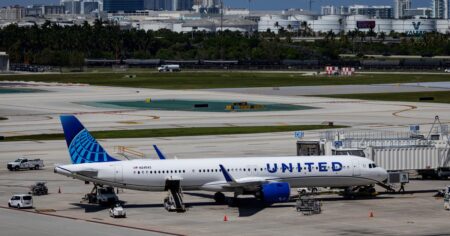
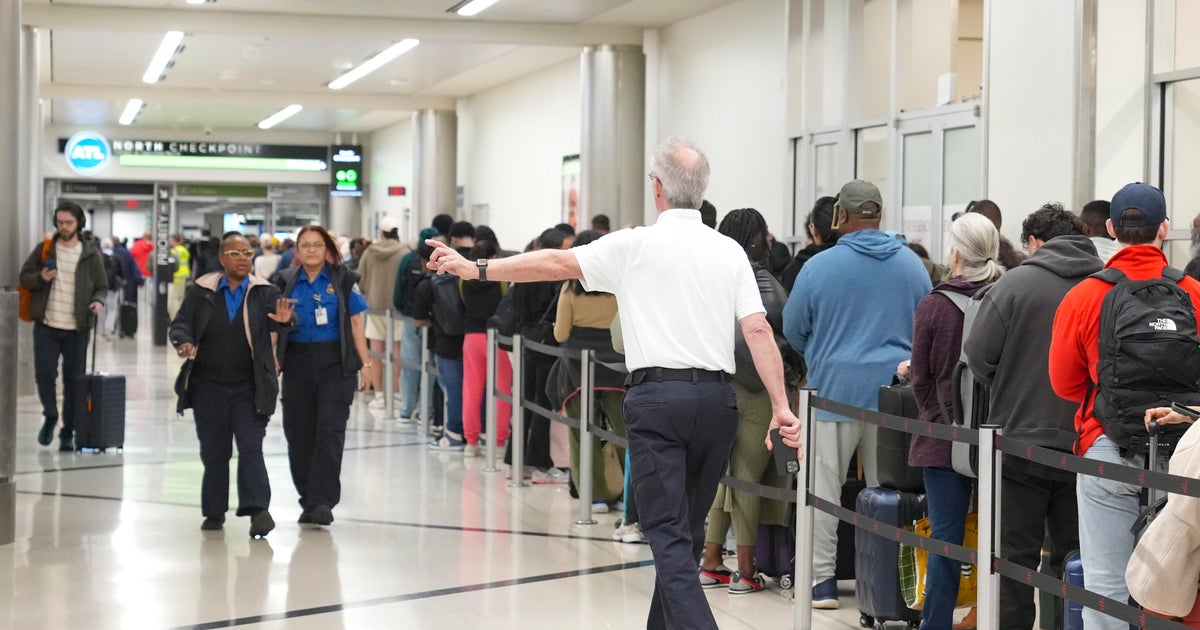
American air travel is facing a significant disruption as Transportation Security Administration (TSA) officers across the country are calling out of work in unprecedented numbers. The situation reached a critical point on Tuesday when three major U.S. airports reported that more than a third of their TSA workforce didn’t show up for their shifts. At William P. Hobby Airport in Houston, Texas, an alarming 40.8% of TSA workers called out sick or simply didn’t report to work. The situation was similarly dire at Louis Armstrong New Orleans International Airport, where nearly 36% of officers were absent, and at Hartsfield-Jackson Atlanta International Airport, where more than 34% of the workforce failed to appear. These aren’t isolated incidents or coincidental illnesses – these call-outs are a direct response to the ongoing partial government shutdown that has left these essential security workers without their paychecks. The dispute over government funding in Washington has created a domino effect that’s now hitting travelers hard, with massive screening lines forming at airports nationwide as the remaining TSA officers struggle to process the usual volumes of passengers with severely reduced staffing levels.
The Human Cost: Workers Without Pay
The root cause of this crisis is straightforward and deeply troubling: TSA officers aren’t being paid. These are the men and women who arrive at airports before dawn, who screen millions of passengers for potential threats, who stand for hours checking identification and monitoring X-ray machines – and they’re doing all of this without compensation. Last Friday marked a painful milestone when TSA employees missed their first full paycheck due to the government shutdown. Since that day, the agency has witnessed an unprecedented surge in unscheduled absences that goes far beyond typical call-out rates. Cameron Cochems, a union steward and lead TSA officer working in Boise, Idaho, provided a window into the deteriorating situation on the ground. “The morale is getting worse by the day because no one knows when this is gonna end,” he explained, his words capturing the frustration and uncertainty that thousands of his colleagues are experiencing across the country. These aren’t workers trying to skip work for fun – they’re people facing impossible choices between showing up to jobs that aren’t paying them and finding ways to keep food on their tables and roofs over their heads. Many have bills due, mortgages or rent to pay, children to feed, and other financial obligations that don’t pause just because Washington can’t reach a funding agreement.
The Ripple Effect on Travelers
The impact of these mass call-outs is being felt immediately by travelers across the United States. Airport security checkpoints that normally process passengers efficiently have become bottlenecks, with lines stretching through terminals as the reduced workforce struggles to keep up with demand. In Philadelphia, the situation became so severe that three out of six TSA checkpoints had to be closed entirely on Wednesday, forcing all passengers through the remaining three checkpoints and creating even longer waits. The story of Reggy Monsanto, a traveler in Atlanta, illustrates just how dramatically the situation has changed the airport experience. Monsanto was catching what should have been a routine 45-minute flight, the kind of trip that normally requires arriving at the airport an hour or two early. Instead, he and his travel companions got up at 6 a.m. for a 2 p.m. flight – arriving at the airport with a full five hours to spare – just to ensure they could make it through the security lines in time. This represents a complete transformation of air travel, turning what should be a manageable process into an ordeal that requires travelers to essentially sacrifice an entire day for even short flights. Business travelers are missing meetings, families are missing connections, and the efficiency that modern air travel depends on is rapidly breaking down.
Washington’s Political Stalemate
At the heart of this crisis sits an intractable political deadlock in the nation’s capital. The partial government shutdown stems from a funding dispute that has left the TSA and the entire Department of Homeland Security without their budgets. While politicians debate funding allocations and policy priorities in climate-controlled offices, the real-world consequences of their inability to compromise are playing out in airports across the country. During his confirmation hearing on Wednesday, Senator Markwayne Mullin, who President Trump has nominated to lead the Department of Homeland Security, acknowledged the urgent nature of the situation. “We have to get DHS funded. We have to,” Mullin stated, adding a plea that seems both obvious and desperately necessary given the circumstances: “My friends, we have to set the partisan side down.” His words recognize what’s become increasingly clear to anyone paying attention – this isn’t a theoretical policy debate anymore, it’s a real crisis affecting real people in real time. Yet despite such acknowledgments, the underlying stalemate continues, with neither side appearing willing to make the compromises necessary to end the shutdown and restore funding to these critical agencies.
The Threat of Airport Closures
Perhaps most alarming is the warning from TSA leadership about what could come next if the situation doesn’t improve. Adam Stahl, the acting deputy TSA administrator, spoke candidly with CBS News about the potential consequences if call-out rates continue to climb. “There could be scenarios where we may have to shut down airports,” Stahl stated, his words carrying the weight of someone watching a crisis unfold in real time and seeing few good options ahead. He didn’t mince words about the severity of what’s happening: “This is a serious situation.” The possibility of airport closures represents a dramatic escalation from long security lines to a potential partial paralysis of the nation’s air travel system. Airports are critical infrastructure, essential not just for vacation travel but for business, for cargo, for family emergencies, and for the overall functioning of the national economy. The idea that major airports might need to shut down entirely because security personnel simply can’t be staffed adequately is almost unprecedented in modern American history. It would represent a failure of government so fundamental that it affects one of the basic functions people expect – the ability to travel safely within their own country.
Looking Forward: An Uncertain Resolution
As this crisis continues to unfold, Cameron Cochems’s observation captures the growing frustration on all sides: people are “waiting in line because the government can’t do their job, and it’s ruining people’s lives.” He’s right – this situation is disrupting lives at multiple levels. TSA officers are facing financial hardship, wondering how they’ll pay bills while still being expected to show up to work. Travelers are experiencing massive delays, missed flights, disrupted plans, and the transformation of air travel from a relatively smooth process into an unpredictable ordeal. Businesses that depend on reliable air travel and shipping are facing uncertainty. The entire system is groaning under the pressure of a political dispute that, from the perspective of those affected, seems almost absurdly disconnected from these real-world consequences. Until Washington can break its stalemate and restore funding to the Department of Homeland Security and TSA, the situation is likely to continue deteriorating. Each day without pay makes it less likely that TSA officers will choose to come to work, which means longer lines, more checkpoint closures, and an increasing possibility of the airport shutdowns that Acting Deputy Administrator Stahl warned about. The resolution everyone needs – TSA officers, travelers, airlines, and the broader economy – requires politicians to do exactly what Senator Mullin suggested: set aside partisan differences and fund these critical agencies. Until that happens, American air travel will remain in a state of crisis, with no clear end in sight.