
Russia’s Return to Paralympic Glory: A Historic Moment at Milan Cortina 2026
A Medal That Marks a New Chapter
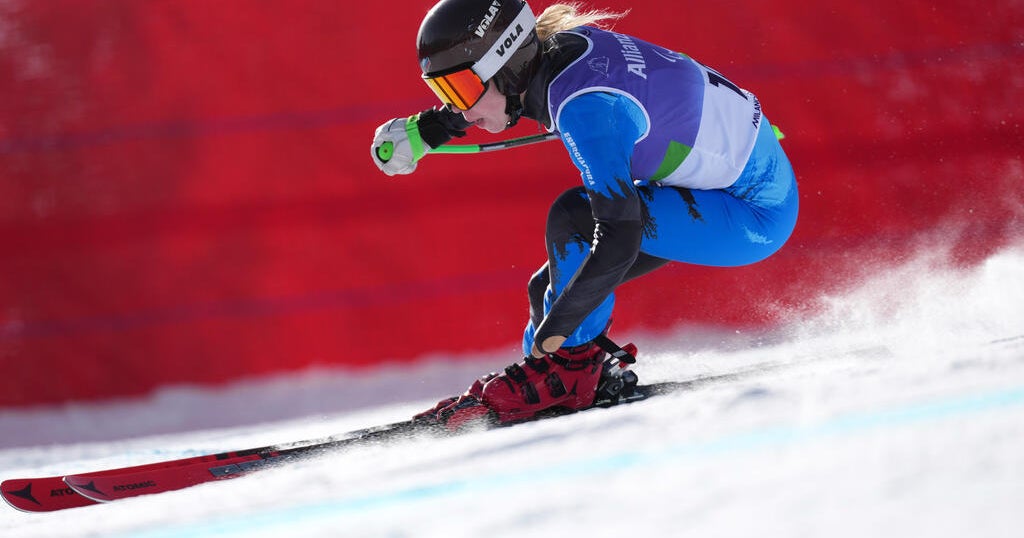
After more than a decade of absence from the podium under their national colors, Russia celebrated a significant milestone at the 2026 Winter Paralympics in Milan Cortina. Varvara Voronchikhina, a visually impaired Para alpine skier, secured Russia’s first Paralympic medal since 2014 by claiming bronze in the women’s downhill standing competition on Saturday. This achievement represents far more than just athletic excellence—it symbolizes Russia’s official return to international Paralympic competition under their own flag after years of competing as neutral athletes due to doping violations and geopolitical conflicts. For Voronchikhina and her teammates, the moment carried deep emotional weight, as they had spent years watching their national symbols banned from the world’s biggest sporting stages.
The significance of this moment cannot be overstated for Russian athletes who have endured a long period of competing without the ability to represent their country openly. Voronchikhina herself expressed the collective relief and joy felt throughout the Russian delegation: “For us, it’s a really long time when we were without the flag, and I’m really glad and all my country and all my teammates, we are glad also.” Her words capture the frustration of talented athletes who found themselves caught in the crossfire of international politics and sports governance. While Voronchikhina’s bronze medal is impressive on its own merits, she is expected to be a strong contender for gold in other races throughout the Milan Cortina Paralympics, suggesting that Russia’s return to the medal podium may be just beginning.
The Long Road Back to International Competition
Russia’s absence from competing under its national flag has been a complex and controversial journey spanning nearly a decade. The initial sanctions stemmed from a state-sponsored doping program that shocked the international sports community and led to widespread bans. These restrictions prevented Russian athletes from displaying their flag, wearing their national colors, or hearing their anthem played at medal ceremonies. Instead, they were forced to compete as neutral athletes, representing no country officially, which many found deeply demoralizing. The situation became even more complicated following Russia’s invasion of Ukraine in 2022, which added layers of geopolitical tension to the already strained relationship between Russian sports and international governing bodies.
The Russian flag made its official return during the nations parade at Friday’s opening ceremony in Verona, marking a historic moment—it was the first time the flag had been flown at the Paralympics since the 2014 Winter Games in Sochi, which Russia had hosted. This return signals not just a temporary appearance but potentially a full-fledged reintegration into the Olympic circles ahead of the 2028 Summer Games in Los Angeles. For gold medalists at Milan Cortina, there’s now the possibility that the Russian national anthem could be played for the first time on the stage of a major global sporting event since the 2022 invasion of Ukraine. In fact, the anthem hasn’t been heard at any Olympics or Paralympics since the 2016 Rio de Janeiro Summer Games, making any potential gold medal wins at Milan Cortina particularly meaningful for Russian athletes and their supporters back home.
Mixed Reception and Ongoing Tensions
Despite the official welcome back into Paralympic competition, Russia’s return has not been without controversy and visible signs of disapproval. When Russian athletes entered the Arena di Verona during the opening ceremony parade, boos could be heard from sections of the crowd, reflecting the ongoing geopolitical tensions and the mixed feelings many have about Russia’s reintegration into international sports. These reactions underscore the reality that while governing bodies may have lifted official sanctions, public opinion remains divided, and the wounds from recent years have not fully healed. The booing serves as a reminder that Russia’s path back to full acceptance in the international sporting community involves more than just bureaucratic decisions—it requires rebuilding trust and navigating complex emotional landscapes.
However, Voronchikhina reported that despite the mixed reception at the opening ceremony, the Russian delegation has been treated well during their time in Italy. “It’s really good,” she said, describing the atmosphere in the Paralympic village as positive with good conditions for the athletes. This suggests that while political tensions remain at the macro level, the day-to-day interactions between athletes from different nations have maintained the spirit of sportsmanship that is supposed to define the Paralympic movement. When asked about potentially competing against Ukrainian athletes, Voronchikhina declined to comment, a decision that speaks to the delicate nature of the situation and the desire of many athletes to keep their focus on sports rather than politics, even when the two seem inextricably linked.
A Small but Significant Delegation
Russia arrived at Milan Cortina with just six athletes, a notably modest delegation compared to the powerhouse teams the country has fielded at past Winter Paralympics. Joining Voronchikhina in competition on Saturday were Para snowboarders Filipp Shebbo and Dmitrii Fadeev, along with Para alpine skier Aleksei Bugaev. The International Paralympic Committee’s decision to grant wildcard entries to Russian athletes proved controversial, upsetting Ukraine and several other nations who viewed Russia’s participation as inappropriate given ongoing geopolitical conflicts. This disagreement was significant enough that Ukraine and a few other nations chose to boycott Friday’s opening ceremony in protest, highlighting how sports continue to serve as a battleground for international political disputes.
The wildcard entry system allowed Russia to participate despite not having qualified through standard channels, a decision that the IPC defended as being in line with the Paralympic values of inclusion while others saw it as politically motivated favoritism. The small size of Russia’s delegation reflects both the restrictions that have limited their participation in international qualifying events and the careful balance the IPC has tried to strike between inclusion and responding to the concerns of other member nations. For the six Russian athletes who did make it to Milan Cortina, the opportunity to compete under their flag represents a personal triumph and a chance to demonstrate that Paralympic sports can transcend politics, even if imperfectly.
The Broader Implications for Global Sports
Voronchikhina’s bronze medal and Russia’s return to Paralympic competition carry implications that extend far beyond the slopes of Milan Cortina. This moment represents a potential turning point in how international sports organizations handle the intersection of athletics and geopolitics. The question of whether and how to include Russian athletes has been one of the most contentious issues in global sports governance over the past decade, forcing organizations to balance principles of individual athlete rights against collective accountability for state-sponsored misconduct and geopolitical aggression. The decision to allow Russia’s return sets a precedent that will likely influence decisions about participation in upcoming Olympic and Paralympic events, including the highly anticipated 2028 Los Angeles Summer Olympics.
The rehabilitation of Russia’s status in international sports also raises important questions about the effectiveness of sports sanctions as tools of international pressure. While keeping Russian athletes out of competition or forcing them to compete without national symbols was intended to punish the Russian state for its actions, the policy’s actual impact on government behavior has been debatable. What is clear is that the sanctions had profound effects on individual athletes who spent years of their careers unable to represent their country, regardless of their personal connection to the policies that led to those sanctions. As Russia’s flag once again flies at international competitions and their anthem may soon play for gold medal winners, the international community is essentially conducting an experiment in whether reintegration can coexist with accountability, and whether the universal values of sport can provide a pathway toward broader reconciliation even as political conflicts remain unresolved. The coming weeks at Milan Cortina will offer an early test of whether this approach can succeed.