
Win a Picasso for €100: France’s Unique Art Raffle Returns to Support Alzheimer’s Research
A Masterpiece Within Reach for Everyday Art Lovers
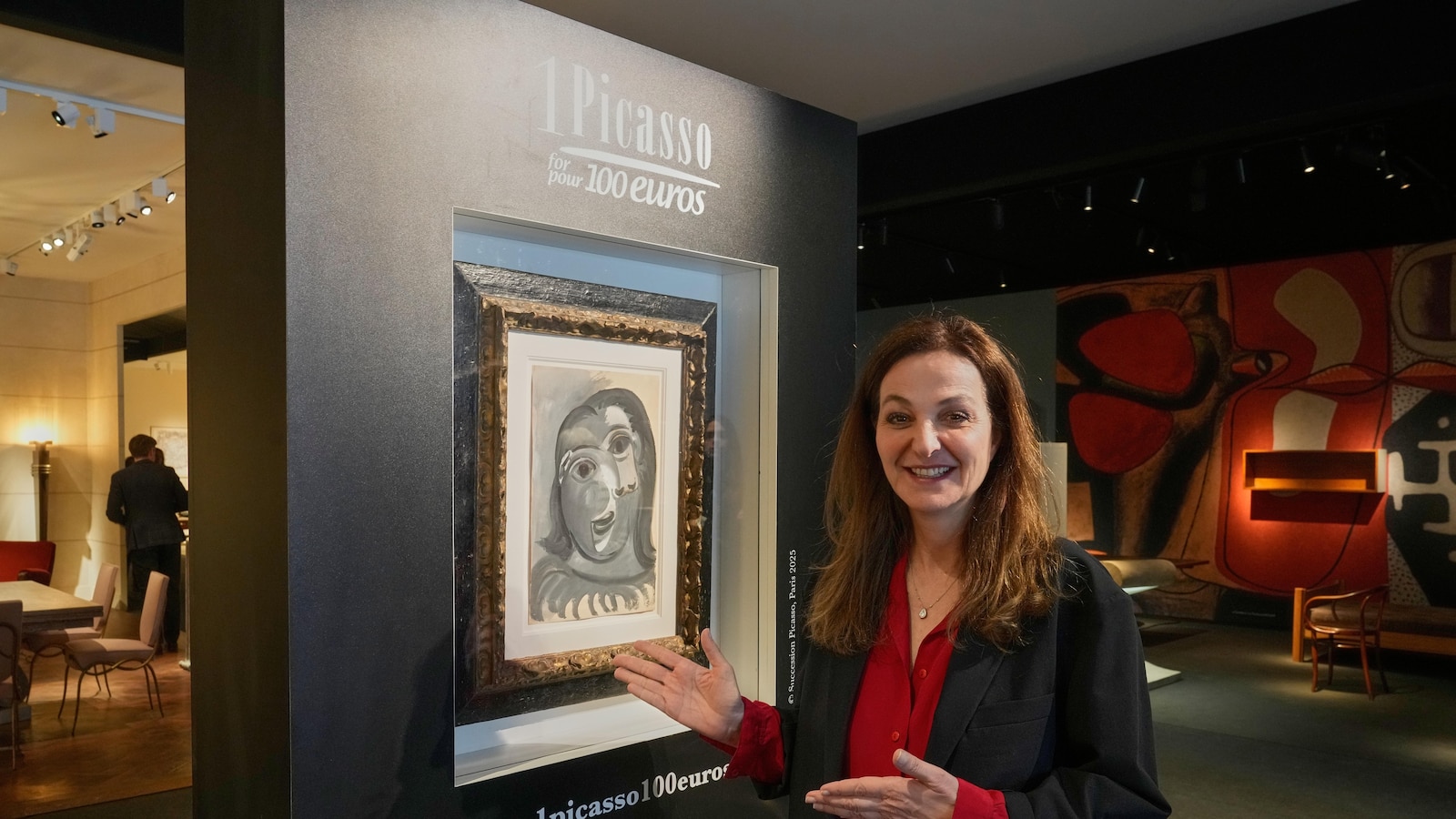
In a world where Pablo Picasso’s masterpieces typically sell for millions of dollars at exclusive auctions attended by billionaires and elite collectors, a remarkable French initiative is turning the art world on its head. For just €100 (approximately $117), anyone can enter a raffle for the chance to own an authentic Picasso painting. This isn’t some reproduced print or distant dream—it’s a genuine opportunity to win “Tête de Femme” (Head of a Woman), a gouache-on-paper work created by the legendary Spanish artist in 1941. The draw, scheduled to take place at the prestigious Christie’s auction house in Paris, represents more than just a lottery; it’s a democratization of art ownership that Picasso himself might have appreciated. What makes this raffle even more meaningful is that all proceeds will benefit the Alzheimer Research Foundation, transforming what could be a purely commercial venture into a philanthropic mission that honors both artistic legacy and medical progress. The painting will be displayed at Christie’s Paris galleries from Monday, giving potential ticket holders a chance to view their possible prize before the Tuesday evening draw at 6 p.m.
Previous Winners: Ordinary People, Extraordinary Luck
The “1 Picasso for 100 euros” raffle isn’t a new concept—it’s actually the third iteration of an initiative that has already changed the lives of two remarkably ordinary people who became extraordinary art owners. The inaugural raffle in 2013 created an unlikely Picasso collector out of Jeffrey Gonano, a fire-sprinkler worker from Pennsylvania who probably never imagined he’d own a museum-quality artwork. His winning ticket granted him “Man in the Opera Hat,” a striking piece from Picasso’s Cubist period painted in 1914, when the artist was revolutionizing how we perceive and represent reality on canvas. Seven years later, in 2020, the raffle struck again, this time blessing Claudia Borgogno, an Italian accountant whose son had given her a raffle ticket as a Christmas present. That thoughtful gift transformed into “Nature Morte” (Still Life), an oil-on-canvas work from 1921 that Picasso created during his Classical period. These heartwarming stories exemplify the raffle’s core philosophy: that great art shouldn’t be confined to climate-controlled vaults owned by the ultra-wealthy, but should find homes with people from all walks of life who appreciate beauty and creativity.
The Philosophy Behind the Raffle: Picasso’s Democratic Spirit
The concept of raffling Picassos might seem unconventional, even controversial to some art purists, but it actually aligns beautifully with the artist’s own values and behavior during his lifetime. David Nahmad, a billionaire art collector who sold the 2020 raffle painting “Nature Morte” from his personal collection, offered a compelling defense of the initiative in a rare interview with the Associated Press. Nahmad pointed out that Picasso was famously generous with his work, regularly gifting paintings to people who served him in everyday capacities—his driver, his tailor, and various other individuals who weren’t part of the art world elite. This wasn’t merely charitable whimsy; it reflected Picasso’s fundamental belief that art should be accessible to “all kinds of people, not only by the super-rich,” as Nahmad eloquently stated. The Spanish master, who died in 1973 at age 91, spent his extraordinary career challenging conventions, whether through his revolutionary Cubist techniques or his approach to who should own and enjoy art. The raffle program honors this legacy by creating a pathway for a Pennsylvania tradesman or an Italian accountant to become custodians of cultural treasures that would otherwise remain locked away in private collections or institutional holdings accessible only through museum visits.
The Charitable Mission: Fighting Alzheimer’s Disease
While the allure of winning a Picasso is undeniable, the raffle’s deeper purpose gives it profound significance beyond the art world. The Alzheimer Research Foundation, which organizes the raffle, operates from one of Paris’s leading public hospitals and has established itself as France’s premier private financier of Alzheimer-related medical research since its establishment in 2004. This debilitating disease, which progressively destroys memory and cognitive function, affects millions of people worldwide and currently has no cure. The foundation’s work funding cutting-edge research represents hope for patients and families devastated by this condition. By capping ticket sales at 120,000, the organizers could potentially raise up to 12 million euros (approximately $14 million) if all tickets sell—a staggering sum that will fuel vital research initiatives. From this total, 1 million euros will go to the Opera Gallery, the international art dealership that currently owns the painting, with the remainder supporting Alzheimer’s research programs. This model transforms art appreciation into medical advancement, creating a virtuous cycle where cultural value translates directly into scientific progress and potential breakthroughs that could improve countless lives.
A Track Record of Global Impact
The current Picasso raffle builds on a foundation of charitable success established by its two predecessors, which collectively raised more than 10 million euros for humanitarian causes around the world. The inaugural 2013 raffle directed its proceeds toward cultural preservation work in Lebanon, a country with rich historical heritage that has faced numerous challenges including political instability, economic crisis, and devastating explosions that damaged significant cultural sites. Supporting cultural work in such contexts helps preserve humanity’s shared heritage and provides employment and hope in difficult circumstances. The 2020 raffle focused its charitable efforts on water and hygiene programs in Africa, addressing fundamental human needs in regions where access to clean water remains a critical challenge affecting health, education, and economic development. These previous initiatives demonstrate that the Picasso raffle concept serves multiple noble purposes simultaneously: democratizing art ownership, generating substantial funding for worthy causes, and raising awareness about important global issues. The shift to Alzheimer’s research for this third raffle reflects the organizers’ commitment to addressing pressing medical challenges that touch families across all socioeconomic levels and geographic boundaries.
The Painting and the Opportunity
“Tête de Femme” (Head of a Woman), the 1941 Picasso work being raffled, carries special historical significance as it was created during one of the darkest periods of the 20th century. Painted during World War II while France was under Nazi occupation, the work emerged from a time when Picasso remained in Paris despite the considerable personal risk, continuing to create art as an act of cultural resistance. The gouache-on-paper medium—a technique using opaque watercolors—allowed for vibrant colors and bold forms characteristic of Picasso’s later style. For the price of a nice dinner or a modest shopping trip, anyone can purchase a ticket and dream of becoming the next unlikely Picasso owner. The draw at Christie’s, one of the world’s most prestigious auction houses, adds gravitas to the event, placing this democratic raffle within the traditional temples of high-value art sales. Whether the winner is a lifelong art enthusiast or someone who impulsively bought a ticket on a whim, they’ll join the exclusive club of Picasso owners while knowing their participation contributed to research that might one day prevent or cure a disease that robs people of their memories and identities. In this beautiful convergence of art, chance, and charity, everyone who participates becomes part of something larger than themselves—a community committed to both cultural appreciation and human progress.