



Spanish Police Uncover Sophisticated Drug Smuggling Tunnel Between Morocco and Spain
A Hidden Underground Network Revealed
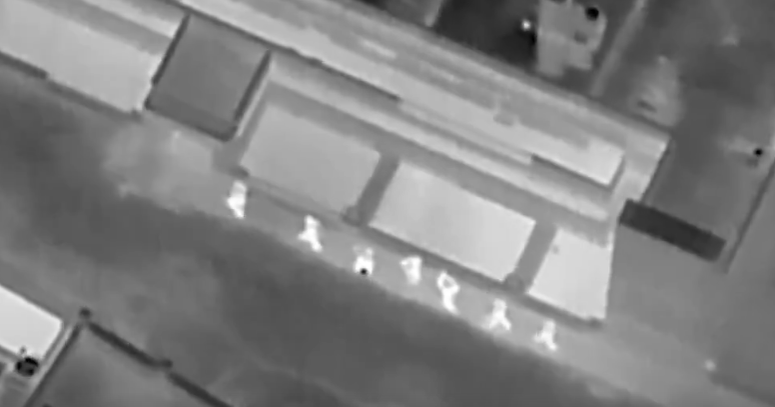
In a dramatic operation that sounds like something straight out of a Hollywood thriller, Spanish authorities have exposed one of the most elaborate drug smuggling operations ever discovered in Europe. Police announced on Tuesday that they had uncovered a massive underground tunnel system designed specifically to transport hashish from Morocco into Spain. This wasn’t just a simple passageway dug beneath the border—it was a sophisticated, multi-level engineering marvel complete with its own rail system and underground cranes. The tunnel was cleverly concealed beneath what appeared to be an ordinary warehouse, making it virtually invisible to anyone passing by. The operation stretched across three different levels underground, featuring a descent shaft that allowed smugglers to move products efficiently and a dedicated chamber specifically designed for storing the drugs before they were distributed. What makes this discovery particularly remarkable is the level of technological sophistication involved. The criminal organization behind this tunnel had invested heavily in infrastructure, installing advanced pumping systems to manage water and prevent flooding, as well as comprehensive soundproofing to ensure that the constant activity below ground wouldn’t attract unwanted attention from authorities or nearby residents. It was a testament to how far drug trafficking organizations are willing to go—and how much money they’re willing to invest—to keep their operations running smoothly.
The Massive Scale of the Operation
The sheer size of this bust reveals just how lucrative and extensive the operation was. Spanish police didn’t just find an empty tunnel—they seized a staggering 17 metric tons of hashish, which represents an enormous quantity of drugs that would have flooded the European market had it not been intercepted. To put this in perspective, that amount of drugs would have generated millions upon millions of dollars in street value, representing countless individual transactions and affecting countless lives across Europe. Alongside the massive drug haul, authorities also confiscated $1.6 million in cash, providing concrete evidence of the financial success this criminal enterprise was enjoying. Money of this magnitude doesn’t just represent profit—it shows how deeply embedded these trafficking networks have become and how much resources they have at their disposal to corrupt officials, invest in infrastructure, and protect their operations.
The police operation resulted in the arrest of 27 individuals who were allegedly involved in various aspects of this smuggling network. However, authorities identified two key figures who were the masterminds behind the entire operation. The first, operating from Morocco, was apprehended on Thursday night and has been described by police as the “narco-architect”—the technical genius who designed and oversaw the construction of the tunnel system itself. This person possessed the engineering knowledge and criminal vision to conceive of such an ambitious project and see it through to completion. The second key figure, based in the Spanish exclave of Ceuta, was identified as the owner of all the seized drugs, essentially the business leader who controlled the product and presumably the distribution networks on the Spanish side. The arrest of these two individuals represents a significant blow to the organization, as they possessed the specialized knowledge and connections that made the entire operation possible.
Spain’s Ongoing Battle with Drug Trafficking
This tunnel discovery is just the latest chapter in Spain’s long-standing struggle against drug trafficking, a battle that has intensified in recent years as criminal organizations have become increasingly sophisticated and bold. Spain’s geographic position makes it a natural entry point for drugs coming into Europe from both Africa and South America. The country’s proximity to Morocco, separated only by the narrow Strait of Gibraltar, has historically made it a prime target for hashish smuggling operations. Statistics paint a stark picture of the scale of the problem: in 2023, Spain accounted for a staggering 68% of all hashish seizures across the entire European Union, according to data from the EU drugs agency reported by Reuters. This overwhelming percentage demonstrates not only the volume of drugs passing through Spain but also the dedication of Spanish law enforcement to intercepting these shipments.
While hashish from Morocco represents one major trafficking route, Spain also serves as a key entry point for cocaine from South America. The country’s extensive coastline and busy ports make it an attractive destination for drug smugglers looking to introduce cocaine into the European market. The methods employed by these trafficking organizations are constantly evolving, forcing law enforcement to remain vigilant and adaptive. Just this past January, Spanish police announced they had busted an extraordinarily creative smuggling network where operatives would actually swim out into the open ocean to reach Europe-bound container ships. Once they reached these vessels, they would stash Colombian cocaine aboard the ships or, in some cases, actually hijack the vessels themselves to ensure their cargo reached its intended destination. The audacity and physical danger involved in such operations demonstrates the lengths to which these criminals will go to move their product.
Innovative Smuggling Techniques Keep Authorities on High Alert
The January container ship bust was announced just three days after Spanish authorities revealed what they described as the largest-ever seizure of cocaine at sea in the country’s history. These back-to-back announcements highlighted both the scale of the trafficking problem and the commitment of Spanish law enforcement to combating it. Each major bust provides investigators with valuable intelligence about how these networks operate, who the key players are, and what routes they’re using, but it also reveals how quickly these organizations adapt and develop new methods when old ones are compromised.
Last year provided another example of criminal innovation when police forces dismantled a trafficking ring that had invested in what authorities described as high-speed “narco boats”—specialized speedboats designed specifically for drug smuggling operations. These vessels were being used to transport large quantities of cocaine from Brazil and Colombia across the Atlantic Ocean to Spain’s Canary Islands, which sit off the northwest coast of Africa. The sophistication of this operation was remarkable: the criminal organization had identified an abandoned shipwreck and converted it into a functioning refueling platform for their speedboats, essentially creating a secret gas station in the middle of the ocean. This allowed their boats to make the long journey from South America without needing to stop at legitimate ports where they might be detected. It’s this kind of creative problem-solving and willingness to invest in specialized equipment and infrastructure that makes modern drug trafficking organizations so challenging for law enforcement to combat.
The Broader Implications and What Comes Next
The discovery of the tunnel between Morocco and Spain represents more than just another drug bust—it’s a window into the future of international drug trafficking and the challenges that law enforcement agencies will face in the coming years. As border security improves and traditional smuggling routes become more dangerous, criminal organizations are increasingly willing to invest time and money into elaborate infrastructure projects like tunnels, understanding that a single successful route can generate enough profit to justify the initial investment many times over. This particular tunnel, with its rail system, cranes, and sophisticated support systems, likely required months or even years of planning and construction, significant financial investment, and the cooperation of numerous individuals with specialized skills. The fact that the organization was able to complete such a project without being detected until after it became operational speaks to both their sophistication and the challenges authorities face in preventing such operations.
Moving forward, this bust will likely cause the criminal organization to suffer significant financial losses and operational disruption, but history suggests that other groups will attempt to fill the void left behind. The fundamental economics of drug trafficking—with enormous profit margins and persistent demand—ensure that as long as there are consumers willing to pay for illegal drugs, there will be criminals willing to take on the risks involved in supplying them. For Spanish authorities, each major bust like this provides valuable intelligence and removes significant quantities of drugs from circulation, but it also serves as a reminder of the ongoing nature of this challenge. The video footage released by authorities showing officers raiding the tunnel and seizing evidence serves multiple purposes: it demonstrates the effectiveness of law enforcement, may deter others from attempting similar operations, and provides the public with transparency about how their tax dollars are being used to keep communities safe. As technology advances and criminal organizations become more sophisticated, law enforcement agencies will need to continue investing in training, technology, and international cooperation to stay ahead of these evolving threats. The tunnel discovered in Ceuta is just one battle in a much larger war—a war that requires constant vigilance, adaptation, and commitment from everyone involved in the fight against international drug trafficking.