
Massive Flooding in Australia’s Northern Territory Sparks Urgent Crocodile Warnings
A Natural Disaster of Historic Proportions
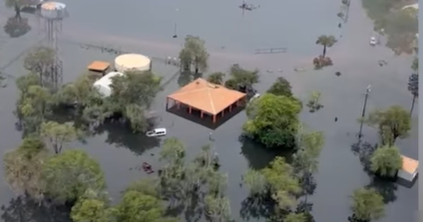
Australia’s Northern Territory has been hit with catastrophic flooding over the weekend, forcing authorities to launch one of the largest emergency evacuations in recent memory. Police worked tirelessly to relocate more than 1,000 residents to safety as floodwaters surged across the region, particularly devastating the town of Katherine, which experienced its worst flooding since 1998. The emergency response required the deployment of helicopters and aircraft to reach communities in some of the most remote areas of the territory. Acting Commander Shaun Gill of the police incident control described the severity of the situation in stark terms: “It doesn’t get much bigger.” The flooding has left at least 90 homes without power, and authorities have warned that the full extent of the damage is still being assessed. The combination of heavy rainfall, rapidly rising waters, and the remote nature of many affected communities has created a perfect storm of challenges for emergency responders working around the clock to ensure everyone’s safety.
The Hidden Danger: Crocodiles Displaced by Floodwaters
While the floodwaters themselves present an obvious and immediate danger, authorities have issued an even more chilling warning to residents: the floods have displaced thousands of crocodiles, making the murky waters absolutely deadly. “There is crocs absolutely everywhere. Please don’t go in the water. The message is quite clear,” Commander Gill told journalists during a press briefing. He emphasized two critical reasons why entering the water could prove fatal—the fast-flowing river currents that could quickly sweep people away, and the unprecedented number of crocodiles now actively hunting in the floodwaters. Northern Australia is home to an estimated population of more than 100,000 saltwater and freshwater crocodiles, creatures that are among the most dangerous predators on Earth. The saltwater crocodiles, in particular, are massive apex predators that can grow to lengths exceeding 20 feet, weigh over a ton, and possess a bite force powerful enough to crush a human skull. These prehistoric predators are most active and aggressive during flooding conditions, making any contact with the water potentially lethal. Assistant Police Commissioner Travis Wurst reinforced the warning to Katherine residents, urging them not to “do something silly” and jump in the water, cautioning about “crocodiles and other things that will make your life difficult.”
A Dramatic Rescue Highlights the Dangers
The very real dangers of the floodwaters became painfully clear when police conducted a dramatic rescue of a 40-year-old man in Beswick on Sunday. The man had attempted to navigate the raging floodwaters but quickly became exhausted fighting against the powerful currents. In a terrifying ordeal, he managed to grab onto a partially submerged gum tree, keeping only his head above the waterline as he desperately called for help. Officers responding to his cries for assistance were able to deploy a boat and successfully pull the man from the deadly waters before exhaustion or the current could claim his life—or before one of the many crocodiles in the area could find him. This rescue serves as a sobering reminder of how quickly a flood situation can turn deadly, even for those who might consider themselves strong swimmers. The combination of fast-flowing water, hidden debris, exhaustion, and the very real threat of crocodile attack creates multiple ways for a water rescue situation to end in tragedy. Authorities have pointed to this incident as a clear example of why their warnings must be taken seriously and why residents must resist any temptation to enter the floodwaters for any reason.
Community Impact and Ongoing Precautions
The flooding has had widespread impacts across the Northern Territory, affecting not just homes and infrastructure but also the daily operations of the community. Several schools have been forced to remain closed into Monday and potentially beyond due to the dangerous conditions created by the flooding. Northern Territory Chief Minister Lia Finocchiaro announced the closures as part of the ongoing emergency response, prioritizing the safety of students and staff over maintaining normal operations. The decision reflects the serious and ongoing nature of the threat, as floodwaters can take days or even weeks to fully recede, and the dangers they pose persist long after the rain stops falling. Superintendent Virginia Read issued a strong statement urging compliance with safety warnings: “The Northern Territory Police Force strongly urge people to stay out of flood waters. The risk of injury, sickness and death are too high – if it’s flooded, forget it.” This message encapsulates the “turn around, don’t drown” philosophy that emergency services worldwide promote during flooding events. Beyond the immediate dangers of drowning and crocodile attacks, floodwaters can also contain sewage, chemicals, sharp debris, and disease-carrying organisms that pose serious health risks to anyone who comes into contact with them.
Climate Change and the Future of Extreme Weather Events
The Northern Territory is no stranger to extreme weather, being one of Australia’s most sparsely populated regions and frequently experiencing dramatic weather events due to its unique geography and climate. However, researchers have been increasingly vocal about the role climate change plays in amplifying the risk and severity of natural disasters such as bushfires, floods, and cyclones across Australia. The scientific consensus indicates that as global temperatures continue to rise, weather patterns are becoming more extreme and unpredictable. This means that regions like the Northern Territory can expect more frequent and more intense flooding events in the future. The rainfall patterns are changing, with longer dry periods punctuated by intense downpours that overwhelm natural drainage systems and infrastructure. This creates a cascading series of problems—not just the immediate danger of flooding, but also long-term issues with soil erosion, damage to ecosystems, displacement of wildlife (including dangerous predators like crocodiles), and increasing costs for disaster response and infrastructure repair. The 1998 floods that previously held the record for Katherine were once considered a once-in-a-generation event, but the fact that comparable flooding has occurred again just 25 years later suggests that these “rare” events may become increasingly common.
Learning from Past Disasters and Looking Ahead
Australia has a long history of dealing with floods and the unique dangers they present in different regions. In 2022, authorities in Queensland issued warnings about “dangers lurking in flood waters” after what appeared to be a bull shark fin was spotted swimming through floodwaters—a reminder that crocodiles aren’t the only dangerous creatures that can exploit flooding conditions. These recurring incidents underscore the importance of public education and emergency preparedness in vulnerable regions. The current flooding in the Northern Territory serves as another crucial reminder that natural disasters require respect, preparation, and immediate compliance with official warnings. Emergency services have refined their response protocols over the years, developing better communication systems, evacuation procedures, and rescue capabilities, but ultimately the safety of residents depends on their willingness to heed warnings and evacuate when ordered. The message from authorities is unambiguous and born from hard-won experience: when it comes to floodwaters in crocodile country, there is no situation that justifies entering the water. Whether it’s to retrieve property, check on livestock, or simply out of curiosity, the risks are simply too great. As communities in the Northern Territory begin the long process of recovery and cleanup once the waters recede, the lessons from this disaster will inform future preparedness efforts and hopefully save lives when the next extreme weather event inevitably occurs.