


Team USA Athletes Navigate Political Tensions at the Winter Olympics
Speaking Out Despite Uncertainty
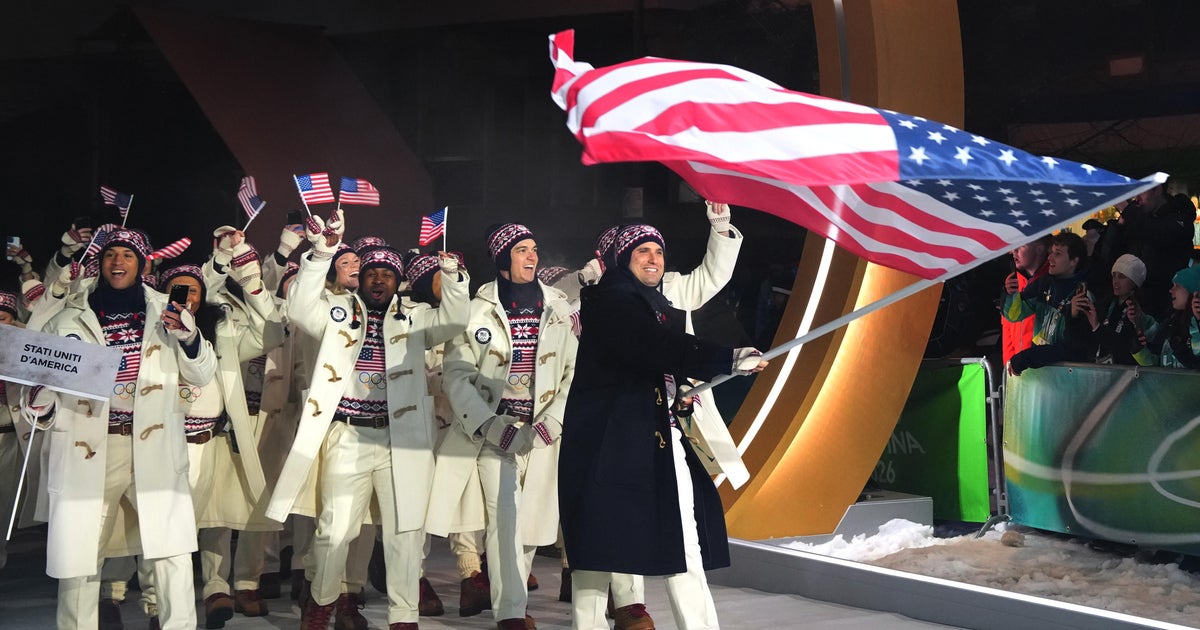
As the Winter Olympics kicked off in Italy, American athletes found themselves in an unusual position—competing on the world stage while grappling with deep concerns about what’s happening back home. While most Team USA members chose their words carefully, avoiding direct attacks on specific politicians or policies, their underlying message was clear: representing the United States feels complicated right now. These athletes, who have trained for years to reach this moment, are being asked not just to perform athletically but to embody American values during a time when those values feel contested and unclear to many. The traditional pride of wearing the red, white, and blue has been tempered by questions about what exactly that flag represents in the current political climate, particularly when it comes to issues like immigration enforcement and LGBTQ rights.
Freestyle skier Chris Lillis spoke openly about his conflicted feelings when asked about recent Immigration and Customs Enforcement (ICE) actions in Minneapolis and the protests that followed. “I love the USA, and I think I would never want to represent a different country in the Olympics,” Lillis told reporters on Friday. “With that being said, you know, a lot of times athletes are hesitant to talk about political views and how we feel about things. I feel heartbroken about what’s happened in the United States.” His comments reflect a sentiment shared by many of his teammates—a deep love for their country coupled with genuine distress over its current direction. Lillis went on to express his hope that the nation would focus on “respecting everybody’s rights and making sure that we’re treating our citizens as well as anybody with love and respect.” For him, the Olympics represent an opportunity to show the world a version of America built on compassion and dignity, even if that ideal feels distant from current realities.
Representing Personal Values, Not Just a Flag
Hunter Hess, another freestyle skier on Team USA, articulated what many athletes seem to be feeling: the experience of wearing the American flag doesn’t necessarily mean endorsing everything the government does. “I think it brings up mixed emotions to represent the U.S. right now,” Hess admitted. “There’s obviously a lot going on that I’m not the biggest fan of, and I think a lot of people aren’t.” Rather than focusing on representing the government or its policies, Hess reframed his Olympic participation as something more personal and meaningful. “I think for me it’s more I’m representing my, like, friends and family back home, the people that represented it before me, all the things that I believe are good about the U.S.,” he explained. This distinction—between representing a government and representing a community—offers these athletes a way to reconcile their patriotism with their political concerns.
Hess’s approach highlights an important truth about Olympic competition: athletes don’t compete for administrations or political parties; they compete for communities, histories, and personal dreams. “Just because I’m wearing the flag doesn’t mean I represent everything that’s going on in the U.S.,” Hess said plainly. “I just kind of want to do it like for my friends and my family and the people that supported me getting here.” This sentiment resonates with a broader cultural conversation about what patriotism means in a divided nation. Can you love your country while deeply disagreeing with its leadership? Can you represent America while condemning certain American policies? For these athletes, the answer seems to be yes—but it requires drawing clear distinctions between the values they hold and the actions being taken in their nation’s name.
The LGBTQ Community Under Pressure
Figure skating champion Amber Glenn, competing in her first Olympics with Team USA, brought attention to the struggles facing LGBTQ Americans under the current administration. “It’s been a hard time for the community overall in this administration,” Glenn told journalists on Wednesday. Her comments reflect widespread concern among LGBTQ advocates about policy changes and rhetoric that they see as threatening hard-won rights and protections. Glenn drew on the community’s history of resilience: “It isn’t the first time that we’ve had to come together as a community and try and fight for our human rights, and now especially, it’s not just affecting the queer community, but many other communities.” She emphasized that the current challenges have created new coalitions and strengthened bonds across different marginalized groups who see their fates as interconnected.
Glenn made it clear she wouldn’t be silenced, even in the face of the familiar refrain that athletes should “stick to sports.” “I hope I can use my platform and my voice throughout these Games to try and encourage people to stay strong in these hard times,” she said. “I know that a lot of people say you’re just an athlete, like, stick to your job, shut up about politics, but politics affect us all. It is something that I will not just be quiet about because it is something that affects us in our everyday lives.” Her words capture a growing conviction among athletes that their platforms come with responsibilities—that remaining silent about injustice isn’t neutrality but complicity. Glenn balanced her criticism with hope, telling supporters that “as a community, we are strong and we support each other, and brighter days are ahead of us.” Her message acknowledges both the difficulty of the present moment and the determination to push through it.
Bold Statements and Olympic Guidelines
Some athletes have gone further than carefully worded press conference statements. Gus Kenworthy, who previously competed for Team USA but is now representing the United Kingdom due to his dual citizenship, posted a provocative image on social media earlier in the week. The photo showed an explicit anti-ICE message written in urine in the snow—a crude but attention-grabbing form of protest. Kenworthy included a caption with a script Americans could use when calling elected representatives to oppose funding for ICE and Border Patrol. “Innocent people have been murdered, and enough is enough,” his caption read. “We can’t wait around while ICE continues to operate with unchecked power in our communities.” His willingness to use such explicit imagery reflects the depth of anger some athletes feel about current immigration enforcement practices.
When asked whether Kenworthy would face discipline for the post, the International Olympic Committee took a measured approach. A spokesperson told Britain’s Press Association that the organization “does not regulate personal social media posts,” and noted that “during the Olympic Games, all participants have the opportunity to express their views as per the athlete expression guidelines.” This response suggests that the IOC, which has historically discouraged political demonstrations during competition, recognizes a distinction between what athletes say on their personal platforms and what they do during official Olympic events. The guidelines allow for considerably more freedom of expression than in previous decades, reflecting a broader cultural shift toward accepting—and even expecting—athletes to speak out on social issues.
Navigating International Reactions
The political tensions aren’t confined to domestic issues. President Trump’s recent threats to take control of Greenland and other controversial international actions have created diplomatic friction that directly affects how American athletes are received abroad. At the Olympic opening ceremony on Friday, Vice President J.D. Vance received a mixed response from the crowd—both cheers and boos echoing through the arena. This reaction illustrates the complicated position Team USA finds itself in: representing a country whose current leadership generates strong reactions, both positive and negative, on the international stage. American athletes must navigate these waters while trying to focus on their competitions and maintain the sportsmanship that the Olympics are supposed to embody.
Sarah Hirschland, CEO of the U.S. Olympic and Paralympic Committee, acknowledged these challenges earlier in the week, revealing that Team USA had specifically prepared for potentially hostile responses from international crowds. “We don’t anticipate a lot of negative energy on the field of play, but we have done a ton of Games-readiness preparation with the athletes to ensure they feel comfortable and are not walking into an environment that is uncertain,” Hirschland explained. The organization wanted athletes to know they wouldn’t be blindsided by political backlash and that support systems were in place if uncomfortable situations arose. “They know the resources available to them if an uncomfortable situation arises,” she added. This preparation reflects a new reality for American Olympians: they’re not just athletes but also informal ambassadors navigating a particularly contentious moment in their nation’s history, asked to perform at their best while carrying the weight of political controversies they didn’t create and may not support.