

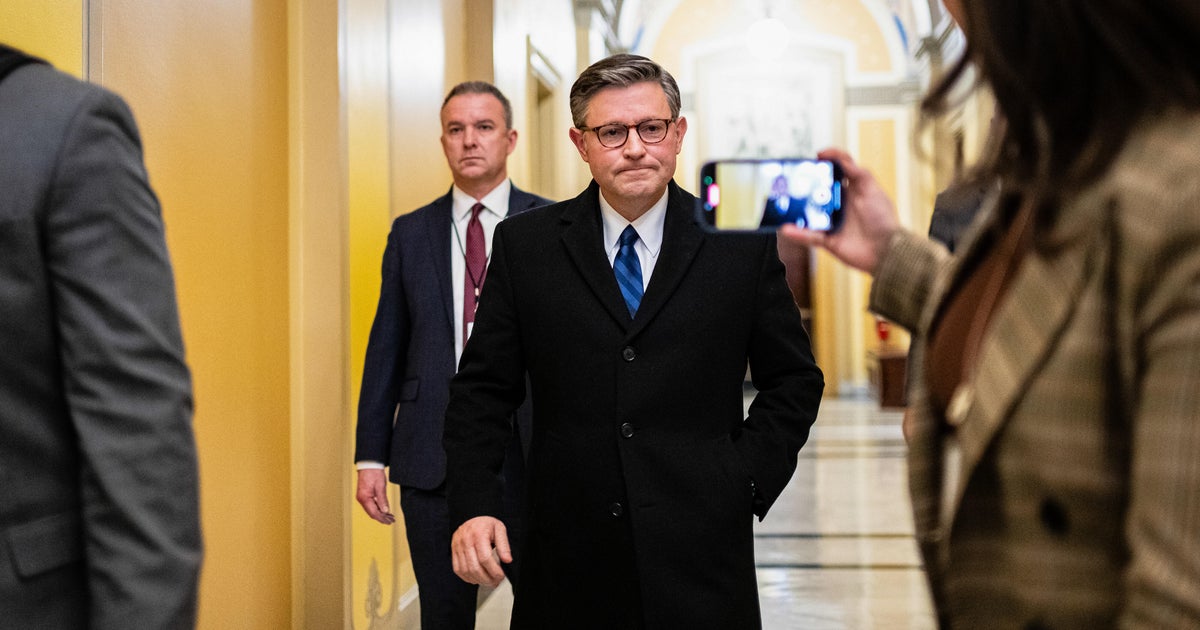

Congress Moves Forward on Government Funding Package Despite Conservative Resistance
SAVE Act Controversy Temporarily Resolved
Republican leadership in the House of Representatives successfully navigated a potential roadblock to government funding on Monday, managing to sideline demands from conservative members who wanted to attach controversial voting legislation to the spending bill. The legislation in question, known as the SAVE Act, has been a rallying point for conservatives who believe additional safeguards are needed in the electoral process. This bill would mandate that all Americans present proof of citizenship in person when registering to vote in federal elections, a requirement that supporters argue would enhance election security but critics contend could create barriers to voter registration.
The effort to include this provision in the funding package was spearheaded by Representative Anna Paulina Luna from Florida, who found support among other conservative House members. The push created significant concern among Republican leadership because of the party’s razor-thin majority in the chamber. With such narrow margins, even a small rebellion from within their own ranks could derail the entire funding effort and potentially lead to a government shutdown. The SAVE Act itself isn’t new to Congress—it successfully passed through the House of Representatives back in April with Republican support. However, the legislation has languished in the Senate without being brought up for consideration, leading some conservatives to view the must-pass funding bill as an opportunity to force action on their priority.
Political Pressure from Multiple Directions
The situation became increasingly complex as various political forces weighed in on the matter throughout Monday. Senate Minority Leader Chuck Schumer issued a clear warning to his House colleagues that any attempt to attach the SAVE Act to the funding package would be dead on arrival in the Senate. This put House Republican leaders in a difficult position: they needed to satisfy their conservative members while also ensuring the legislation could actually become law. The political calculus became even more complicated when considering that a government shutdown would likely be blamed on the party controlling the House, creating political risks that extended well beyond the immediate legislative battle.
The intervention that ultimately helped break the impasse came from President Trump, who took to his Truth Social platform to urge lawmakers to support the funding agreement as written. His message was unambiguous: send the bill to his desk “WITHOUT DELAY” and make “NO CHANGES at this time.” This presidential directive provided cover for conservative members who had been pushing for the SAVE Act amendment, allowing them to back down from their demands without appearing to abandon their principles. The President’s statement effectively gave permission for the party to move forward with the clean funding bill, prioritizing keeping the government open over advancing specific policy priorities in this particular legislative vehicle.
Compromise and Assurances
Following a meeting at the White House, the political landscape shifted noticeably. Representatives Luna and Tim Burchett of Tennessee, who had been among those pushing for the SAVE Act inclusion, emerged from discussions indicating they would support the procedural vote to advance the funding package. This represented a significant breakthrough for House leadership, which had been working frantically to secure the votes needed to move forward. However, the conservatives didn’t simply capitulate without getting something in return. Both lawmakers pointed to assurances they claimed to have received regarding the SAVE Act’s future in the Senate, suggesting that some kind of agreement or understanding had been reached about how the legislation would be handled going forward.
The exact nature of these assurances remains somewhat unclear, and there are legitimate questions about whether and how the measure will actually advance in the Senate. The upper chamber operates with different rules and political dynamics than the House, and Democrats currently have significant influence over which bills receive consideration. Whether Republican leadership can actually deliver on whatever promises were made to Luna, Burchett, and other conservatives will be tested in the coming weeks and months. For now, however, the assurances were apparently sufficient to secure the votes needed to keep the funding process moving forward.
The Procedural Path Forward
The House Rules Committee took a critical step Monday night by advancing the funding package in an 8-4 vote that fell strictly along party lines. This committee action set the stage for floor consideration on Tuesday, beginning what will be a carefully choreographed series of votes. The Rules Committee serves as a gatekeeper in the House, determining which bills reach the floor and under what conditions they’ll be debated. The party-line vote reflected the deep partisan divide over government funding and the various policy riders and provisions that each party would like to see included or excluded.
The first major test is expected to come around 11:15 a.m. Eastern Time on Tuesday, when the House will vote on a procedural measure to adopt the rule governing debate on the funding package. This procedural vote is particularly significant because it’s expected to proceed without any Democratic support, meaning Republicans must be virtually unanimous in their support. House Speaker Johnson is operating with just a one-vote margin, meaning he can afford absolutely no defections from his own party on this procedural question. If even two Republicans vote against the rule, it could fail, throwing the entire funding process into chaos and potentially leading to a government shutdown.
High-Stakes Legislative Maneuvering
Once Republicans successfully navigate the procedural vote—assuming they do—the House can begin an hour of debate on the actual funding package. This debate time will be evenly divided between Republicans and Democrats, giving each party thirty minutes to make their case to the American people about why the legislation should be supported or opposed. This is when members from both sides will take to the House floor to deliver speeches explaining their votes, highlighting provisions they support or oppose, and generally making their political positions clear for their constituents back home.
The vote on final passage is expected to occur after 1 p.m. Eastern Time on Tuesday. This vote operates under different rules than the procedural vote, and Democrats are expected to provide support for the funding package, which should make passage more assured once the procedural hurdle is cleared. However, the uncertainty surrounding the earlier procedural vote means nothing can be taken for granted. The entire process illustrates the complex parliamentary procedures that govern the House of Representatives, where majority parties must navigate not only opposition from the minority but also potential dissent from within their own ranks. For Speaker Johnson, successfully guiding this funding package through the House will represent a significant leadership achievement, demonstrating his ability to manage his narrow majority and balance competing demands from different factions within his party while avoiding a government shutdown that could have serious consequences for federal employees and the services millions of Americans depend on.