
Minnesota Activist Arrested for Threatening ICE Agents Amid Immigration Enforcement Controversy
Arrest and Charges Against Kyle Wagner
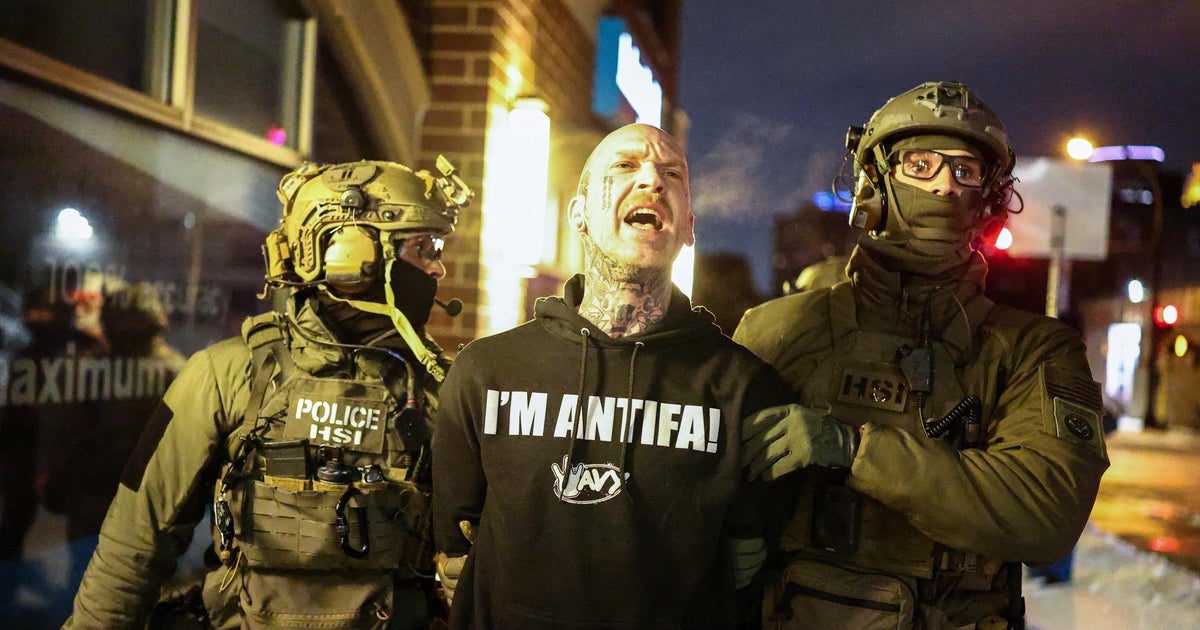
In a case that highlights the growing tensions surrounding immigration enforcement in America, a 37-year-old Minnesota activist named Kyle Wagner was taken into custody by federal authorities on Thursday. The Justice Department announced that Wagner faces serious charges related to threatening to assault and kill Immigration and Customs Enforcement (ICE) agents. According to prosecutors, Wagner used his social media platforms—specifically Facebook and Instagram—to share inflammatory videos and comments throughout January that actively encouraged his followers to target federal immigration officers. In these posts, he reportedly referred to ICE agents using loaded terms like “gestapo” and “murderers,” language that prosecutors say crossed the line from political speech into criminal threats. Photographs from the day of his arrest show Wagner being escorted from a residential building in Minneapolis by agents from Homeland Security Investigations, notably wearing a sweatshirt emblazoned with the words “I’M ANTIFA!”—a reference to the loosely organized anti-fascist movement. Wagner was expected to make his first appearance in federal court the same day as his arrest, marking the beginning of what promises to be a closely watched legal proceeding.
The Alleged Threats and Social Media Activity
The specific allegations against Wagner paint a disturbing picture of escalating rhetoric that authorities say moved beyond protected speech into dangerous territory. According to the Justice Department, Wagner posted a video on January 8 that has since been deleted, in which he directly threatened ICE agents with the words “we’re fking coming for you.” The following day, prosecutors allege he posted additional content encouraging his followers to physically harass immigration officers, stating “we should cripple them” and “Anywhere we have an opportunity to get our hands on them, we need to put our hands on them.” As of Thursday, Wagner’s social media profiles appeared to have been completely deleted, and it remained unclear whether he had retained legal representation. The allegations continue with prosecutors claiming that Wagner urged others to “hunt” immigration officers and stated his intention to “unmask and identify” individual agents. In a particularly chilling post allegedly made on January 13, Wagner reportedly declared that Minnesota is “where ICE has come to die,” adding, “We want to know who they are. We will identify every single one of them and we will prosecute them to the fullest extent of the law. If it has to be done at the barrel of a gun, then let us have a little fking fun.” Later in the month, on January 24, Wagner allegedly posted another video to Facebook in which he called for armed resistance, telling viewers to “get your fking guns and stop these fking people.”
Doxxing Allegations and Government Response
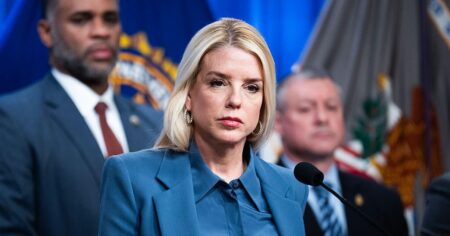
Beyond the direct threats against law enforcement, federal prosecutors have also accused Wagner of engaging in doxxing—the practice of publicly releasing someone’s personal information with malicious intent. Specifically, Wagner is alleged to have published the personal information of an ICE supporter living in Michigan and subsequently threatened that individual. This combination of doxxing and threats represents what authorities view as a coordinated effort to intimidate not just federal agents but also private citizens who support immigration enforcement. Attorney General Pam Bondi issued a forceful statement following Wagner’s arrest, framing it as part of a broader commitment to protecting law enforcement officers. “This man allegedly doxxed and called for the murder of law enforcement officers, encouraged bloodshed in the streets, and proudly claimed affiliation with the terrorist organization Antifa before going on the run,” Bondi said. She continued with a warning to others who might consider similar actions: “Today’s arrest illustrates that you cannot run, you cannot hide, and you cannot evade our federal agents: if you come for law enforcement, the Trump Administration will come for you.” Bondi’s characterization of Antifa as a “terrorist organization” reflects the administration’s perspective, though it’s worth noting that Antifa is generally understood as a decentralized ideology or movement rather than a formal organization with membership structures.
The Context: Operation Metro Surge and Minneapolis Protests
Wagner’s arrest cannot be understood in isolation from the broader immigration enforcement actions taking place in Minnesota. The Trump administration launched Operation Metro Surge in December, a massive immigration enforcement effort specifically targeting the Minneapolis area. As part of this operation, more than 3,000 immigration agents were deployed to the city—an unprecedented concentration of federal law enforcement resources in a single metropolitan area. The administration reported on Wednesday that more than 4,000 people living in the country illegally had been arrested as part of Operation Metro Surge, numbers that illustrate the scale and intensity of the enforcement actions. This aggressive approach to immigration enforcement has sparked significant protests throughout Minnesota, with demonstrators taking to the streets to oppose what they view as heavy-handed and inhumane tactics. The tension between protesters and federal agents has created a volatile situation in Minneapolis, with both sides viewing the other as a threat to fundamental American values—protesters seeing ICE as trampling on human rights and community safety, while federal authorities view protesters as interfering with legitimate law enforcement operations and, in some cases, crossing into criminal behavior themselves.
Deadly Confrontations and FBI Investigation
The situation in Minneapolis took a tragic turn last month when two protesters were shot and killed by immigration officers during confrontations related to the enforcement operations. The victims, identified as Renee Good and Alex Pretti, became focal points for the protest movement and symbols of what critics say are the dangerous consequences of the administration’s immigration policies. The circumstances surrounding these shootings remain under investigation, with the FBI taking the lead on the investigation into at least the shooting involving Pretti. These deaths have only intensified the anger and fear on both sides of the immigration enforcement debate. For protesters and immigration advocates, the shootings represent an unacceptable escalation of violence against civilians exercising their constitutional rights to assembly and speech. For federal agents and their supporters, the incidents highlight the dangers that immigration officers face when carrying out their duties in hostile environments. The FBI’s involvement signals the seriousness with which federal authorities are treating these incidents, though the investigations are ongoing and no conclusions have been publicly announced about whether the shootings were justified or whether any charges will be filed against the officers involved.
Ongoing Operations and National Implications
White House border czar Tom Homan announced on Wednesday that 700 law enforcement personnel would be withdrawn from Minnesota, though this still leaves approximately 2,000 ICE officers operating in the state—a massive presence by any standard. This partial drawdown appears to be a response to the mounting criticism of the tactics employed during Operation Metro Surge, though the administration has maintained that the enforcement actions are necessary and lawful. The Wagner case and the broader situation in Minneapolis have become a flashpoint in the national debate over immigration policy, law enforcement tactics, and the limits of political protest. Supporters of strict immigration enforcement argue that Wagner’s arrest demonstrates the dangerous extremism of some elements of the resistance to Trump administration policies, while immigration advocates worry that the aggressive prosecution of a protester—however inflammatory his speech—represents an attempt to chill legitimate political expression and dissent. As this case moves forward through the federal court system, it will likely raise important questions about where the line falls between protected political speech, even when angry or offensive, and actual criminal threats that warrant prosecution. The outcome could have implications far beyond one individual’s fate, potentially affecting how protests against government policies are conducted and policed across the country in the years to come.