

Navy Cancels Stoic Philosophy Talk: When “Wisdom” Becomes Too Controversial
The Unexpected Cancellation
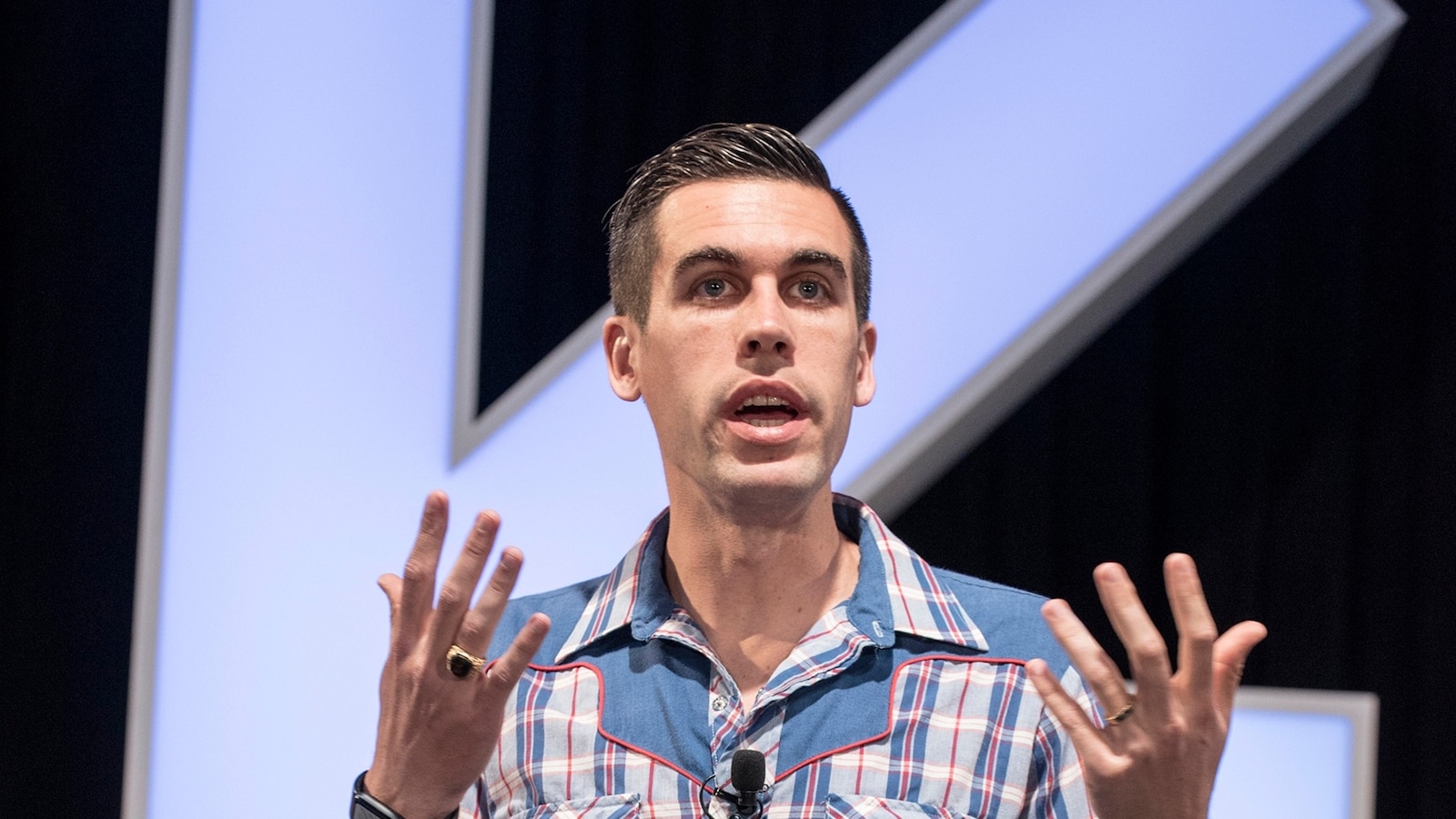
The United States Naval Academy in Annapolis, Maryland, recently made headlines for an unexpected reason: canceling a speaking engagement with Ryan Holiday, a well-known author and podcaster who specializes in stoic philosophy. Holiday, whose books like “The Obstacle is the Way” have resonated with millions of readers seeking practical wisdom, had been invited to address the academy’s midshipmen. His planned topic? The “pursuit of wisdom” – a seemingly uncontroversial subject that has been central to military philosophy for centuries. However, what should have been a straightforward educational opportunity turned into a contentious moment highlighting the current tensions around free speech and intellectual discourse in military institutions.
The cancellation wasn’t due to scheduling conflicts or logistical issues. Instead, it stemmed from a disagreement over content – specifically, Holiday’s refusal to remove a reference to a New York Times story about the Naval Academy’s recent decision to pull hundreds of books from its library. As is customary for such events, Holiday had submitted his presentation slides in advance for review. When Navy officials saw the reference to the controversial book removal, they requested he omit it from his talk. Holiday refused, standing firm on what he saw as a matter of principle. “The idea that there are topics that are off limits or that they can’t handle is absurd on its face,” Holiday told ABC News, expressing frustration that young officers being trained to lead in complex, challenging situations would be shielded from discussing current events affecting their own institution.
The Navy’s Position on Political Content
In explaining the cancellation, the Navy emphasized its commitment to remaining an “apolitical institution.” A Navy spokesperson stated that the decision represented a “schedule change that aligns with its mission of preparing midshipmen for careers of service to our country.” The statement further clarified the academy’s focus on “developing midshipmen morally, mentally and physically in order to cultivate honorable leaders, create a culture of excellence and prepare future officers for military service.” This explanation positions the cancellation as part of a broader effort to keep political discussions out of military education, reflecting concerns that have become increasingly prominent across various institutions.
However, this reasoning raises important questions about where the line should be drawn between political advocacy and intellectual discussion. Holiday argued that his presentation wasn’t inherently political because he wasn’t telling midshipmen how to vote or advocating for a particular political party. Instead, he saw his planned discussion as addressing current events relevant to the academy community – events that directly affected the midshipmen themselves. The distinction between discussing political topics and engaging in political advocacy is nuanced but crucial. Holiday maintained that he had received no specific guidance beforehand about what would be considered off-limits and that he had assumed “the basic standards of academic independence” would apply. His expectation that discussing current events affecting the institution would be acceptable reflects a traditional understanding of educational discourse that may be shifting in the current climate.
The Context: A Broader Book Controversy
The reference that sparked the controversy wasn’t plucked from thin air – it related directly to decisions being made at the Naval Academy itself. Following an order from President Donald Trump directing the military to stop “promoting, advancing, or otherwise inculcating the following un-American, divisive, discriminatory, radical, extremist, and irrational theories,” the Navy removed approximately 381 books from the academy’s library. This wasn’t a quiet administrative decision; it became national news and sparked significant debate about intellectual freedom, military education, and the role of diverse perspectives in preparing future leaders.
Among the books removed were notable works including Maya Angelou’s celebrated autobiography “I Know Why the Caged Bird Sings” and Ibram X. Kendi’s “How to be an Antiracist.” The removal of these particular titles drew attention because they represent different genres and approaches – Angelou’s work is a literary classic that has been taught in schools for decades, while Kendi’s book represents more recent scholarly work on systemic racism. The breadth of removals suggested a sweeping approach rather than targeted evaluation of individual works. For Holiday, a philosopher who teaches about facing obstacles and seeking truth, the removal of books from a military academy library would naturally seem like a relevant topic for discussion. The irony wasn’t lost on observers: an institution training leaders to navigate complex global challenges was removing books and canceling talks about those removals, creating a circular restriction on discourse.
What This Means for Military Education
This incident reflects broader tensions in American society about what constitutes appropriate educational content and how institutions should handle controversial topics. Military academies occupy a unique position – they are educational institutions that must maintain political neutrality while also preparing students to understand and operate in a complex, often politically charged world. The midshipmen at Annapolis will graduate to become naval officers who may serve in diplomatic roles, lead diverse teams, and make decisions with significant political implications. The question becomes: how can they be adequately prepared for these responsibilities if certain topics are considered too sensitive to discuss?
Holiday’s specialty in stoic philosophy actually has deep roots in military tradition. Stoicism, developed by ancient Greek and Roman philosophers, has long been valued in military contexts for its emphasis on discipline, resilience, and rational thinking in the face of adversity. Marcus Aurelius, one of the most famous stoic philosophers, was a Roman emperor who wrote his “Meditations” while on military campaigns. The philosophy teaches that we should focus on what we can control while accepting what we cannot, a mindset particularly valuable in military service. That a talk on pursuing wisdom through stoic principles could be canceled due to concerns about political content represents an interesting tension between traditional military values and contemporary sensitivities about political discussion.
The Bigger Picture and Looking Forward
The Holiday cancellation wasn’t an isolated incident. The article also mentions that filmmaker Ken Burns had a visit to the academy canceled, though that appears to be for different reasons and has been rescheduled for October. These cancellations together suggest a more cautious approach by the academy regarding outside speakers, though the specific motivations may vary. The Burns cancellation appears more straightforward – a scheduling issue rather than a content dispute – but coming on the heels of the Holiday controversy, it contributes to a perception that the academy may be pulling back from certain types of engagement with public intellectuals and artists.
What makes the Holiday situation particularly noteworthy is that it represents a disagreement over principles rather than logistics. Holiday didn’t accept the Navy’s request to modify his content; instead, he stood by his conviction that discussing the book removals was appropriate and important. This stance cost him the speaking engagement but also sparked a broader conversation about intellectual freedom in military education. The situation forces us to consider difficult questions: Should military institutions operate under different standards than civilian universities when it comes to controversial discussions? Are future military leaders better served by being protected from certain topics or by learning to engage with them thoughtfully? How do we distinguish between political indoctrination and education about political realities? There are no easy answers, but the questions themselves are worth grappling with. As our society continues to navigate tensions around free speech, institutional neutrality, and educational content, the decisions made at institutions like the Naval Academy will help shape not just military culture but broader conversations about how we prepare young people for leadership in a complex world. Whether Holiday eventually gets to share his thoughts on wisdom with Navy midshipmen remains to be seen, but the controversy itself has already provided its own lessons about courage, principles, and the obstacles we face in the pursuit of truth.