


Supreme Court Weighs Future of Free Preventive Health Care Under Affordable Care Act
A Critical Decision That Could Affect Millions of Americans
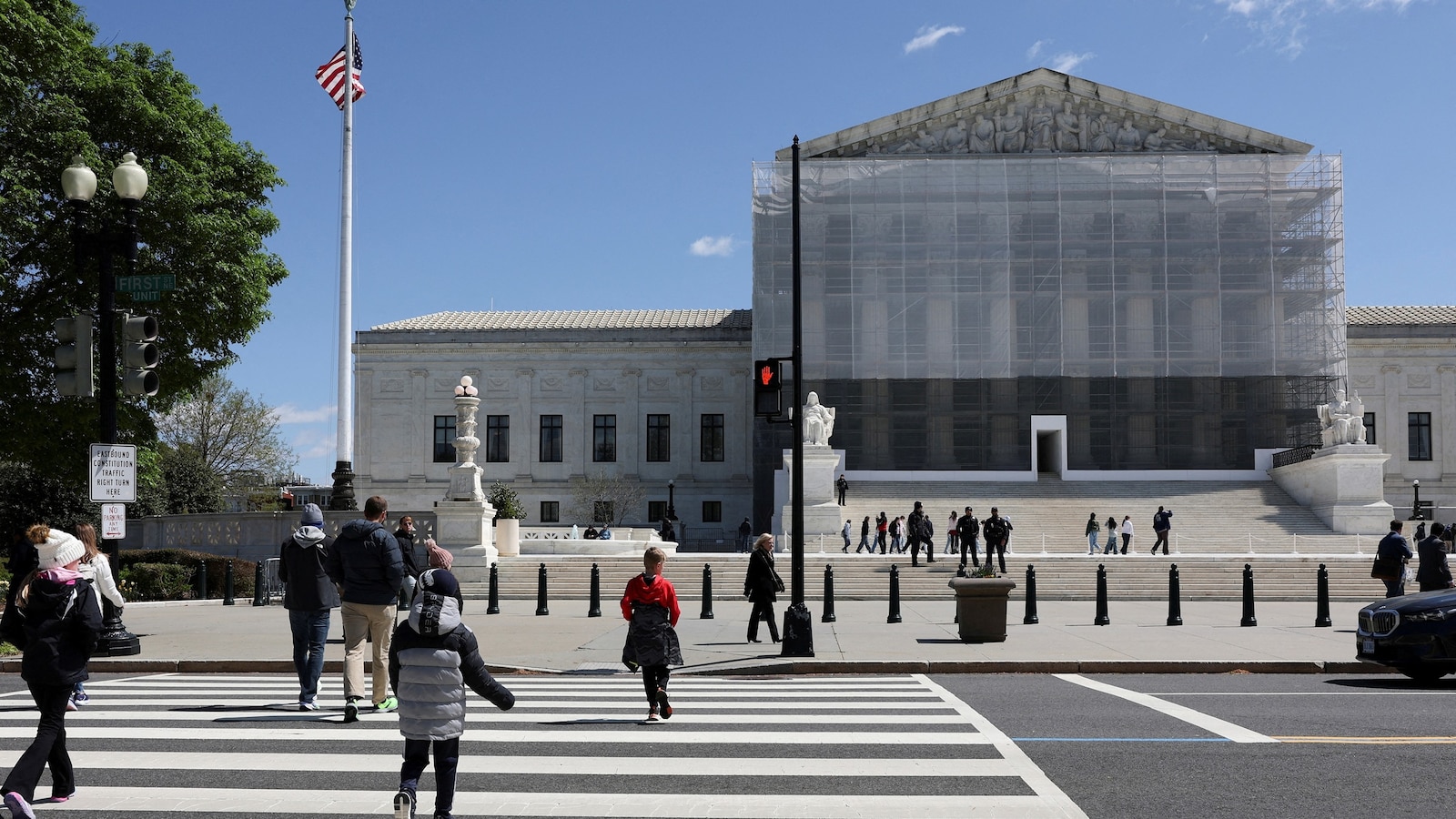
On Monday, the Supreme Court heard arguments in a case that could fundamentally change how Americans access preventive health care services. At the center of this legal battle is a relatively obscure government panel called the U.S. Preventive Services Task Force, which has been quietly working behind the scenes since the Affordable Care Act became law in 2010. This 16-member group of health experts has the authority to determine which preventive services—from cancer screenings to medications that prevent HIV—insurance companies must cover at no cost to patients. The impact of their work has been enormous: more than 150 million Americans currently benefit from these no-cost preventive services, which include everything from colonoscopies and cholesterol medications to breast cancer prevention drugs and lung cancer screenings for smokers. But a group of Christian-owned businesses is now challenging whether this task force has the legal right to make such far-reaching decisions, arguing that its structure violates the Constitution. Lower federal courts have sided with these challengers, setting the stage for a Supreme Court showdown that could reshape American health care as we know it.
The Constitutional Question at the Heart of the Case
The legal dispute centers on something called the Appointments Clause in the U.S. Constitution, which sets rules for how important government officials should be selected. According to this constitutional provision, “principal officers” of the federal government—like Cabinet secretaries and ambassadors—must be confirmed by the Senate. Meanwhile, “inferior officers” can be appointed by Senate-confirmed officials, as long as those appointees are properly supervised and their decisions can be reviewed. The Christian business owners challenging the task force argue that its members don’t fit either category properly. These task force members are appointed by the Secretary of Health and Human Services, a Senate-confirmed official, but the members themselves never face Senate confirmation. Additionally, the task force is supposed to operate “independently” of political influence, which means its recommendations aren’t subject to direct review. The challengers say this arrangement gives the task force unchecked power to influence the entire health care system without the accountability the Constitution requires. Justice Clarence Thomas seemed particularly interested in this argument, questioning whether Congress ever actually gave anyone the authority to run such a group. When the government’s lawyer cited a law allowing HHS to “convene” a task force, Thomas pointed out that “convene” usually just means calling a meeting—like when the Chief Justice convenes the Court each morning without appointing the other justices.
How the Justices Seem to Be Divided
Based on the arguments heard Monday, the Court appears split along ideological lines, though the outcome is far from certain. The three liberal justices—Sonia Sotomayor, Elena Kagan, and Ketanji Brown Jackson—all seemed inclined to uphold the task force’s authority and preserve the no-cost preventive services that millions of Americans have relied on for over a decade. Conservative Justices Samuel Alito, Clarence Thomas, and Neil Gorsuch appeared more sympathetic to the challengers’ constitutional concerns. This leaves the likely swing votes in the hands of Justices Brett Kavanaugh and Amy Coney Barrett, who seemed open to preserving the arrangement but didn’t fully show their cards. Kavanaugh made a particularly interesting point during the arguments, suggesting that critics might be overstating the task force’s independence and power. He challenged the plaintiffs’ attorney, pointing out that Congress would have provided clearer indication if it intended to create such an enormously important and unaccountable agency. Meanwhile, Chief Justice John Roberts—who has twice before voted to save the Affordable Care Act from legal challenges that could have destroyed it—remained notably quiet during the debate, making his position difficult to predict.
What’s at Stake for Everyday Americans
If the Supreme Court upholds the lower court rulings and declares the task force unconstitutional, the consequences could be far-reaching and deeply personal for tens of millions of Americans. All of the task force’s recommendations since 2010 could potentially be invalidated, which would eliminate the guarantee of no-cost coverage for a wide range of preventive health services. Consider what this means in practical terms: a 47-year-old who can currently get a colonoscopy without paying anything out of pocket might suddenly face significant costs. Someone taking statin medications to manage their cholesterol might have to start paying for those drugs. People using PrEP medication to prevent HIV infection could see their costs skyrocket. Women who rely on medications to reduce their breast cancer risk might find those treatments no longer covered without cost-sharing. Public health experts warn that if people have to pay for these preventive services, many simply won’t get them—especially those with lower incomes who are already struggling financially. This could lead to diseases being detected later when they’re harder and more expensive to treat, ultimately resulting in worse health outcomes and higher overall health care costs. Hospital groups are particularly concerned because they may end up shouldering more of the burden when people who skipped preventive care show up sicker and needing more intensive treatment.
The Trump Administration’s Defense and Industry Concerns
Interestingly, the Trump administration is defending the task force, even though the current administration has been critical of many aspects of the Affordable Care Act. The government argues that task force members are properly classified as “inferior officers” who don’t need Senate confirmation because they’re supervised by the HHS Secretary, a Senate-confirmed official who can effectively override any of the group’s decisions. According to the administration’s lawyers, this structure provides sufficient accountability and supervision to satisfy constitutional requirements. The health care industry is watching this case nervously. Insurance companies are worried about the instability that could be injected into the insurance market if the rules suddenly change. They’ve built their plans and pricing around the requirement to cover these preventive services at no cost for more than a decade, and a sudden shift could create chaos. American medical organizations, representing doctors and health care providers across the country, have emphasized how important these preventive services have been for their patients’ health. They argue that early screenings and interventions for chronic conditions save lives and reduce suffering, while also being more cost-effective than treating advanced diseases.
Looking Ahead: What Happens Next
The Supreme Court is expected to issue its decision in this case—formally known as Kennedy v. Braidwood Management—by the end of June. Legal experts note that while this case doesn’t pose the same existential threat to the Affordable Care Act as previous Supreme Court challenges, it could still significantly affect how the law functions for millions of people. Larry Levitt, an executive vice president at KFF, a nonpartisan health policy research organization, pointed out that the real-world impact could be substantial even if the law itself survives. Conservative legal advocacy groups like the Alliance Defending Freedom, which is supporting the Christian business owners, frame the case in terms of religious liberty and government accountability. Attorney Daniel Grabowski argued that “Americans have the constitutionally protected freedom to live and work according to their religious beliefs, and governments exist to defend that freedom.” On the other side, advocates for patients and low-income communities emphasize the human cost of disrupting preventive care access. Wayne Turner, an attorney with the National Health Law Program, called the ACA’s preventive services requirement “a game-changer” and warned that low-income people would be harmed most if the Court strikes down this provision. As Americans wait for the Court’s decision, the case serves as a reminder of how technical constitutional questions can have profound effects on everyday life—determining whether someone can afford the screening that might catch their cancer early, or access the medication that could prevent a life-threatening disease.