
Pope Leo XIV Brings Message of Peace and Democracy to Cameroon
A Historic Papal Visit to Central Africa
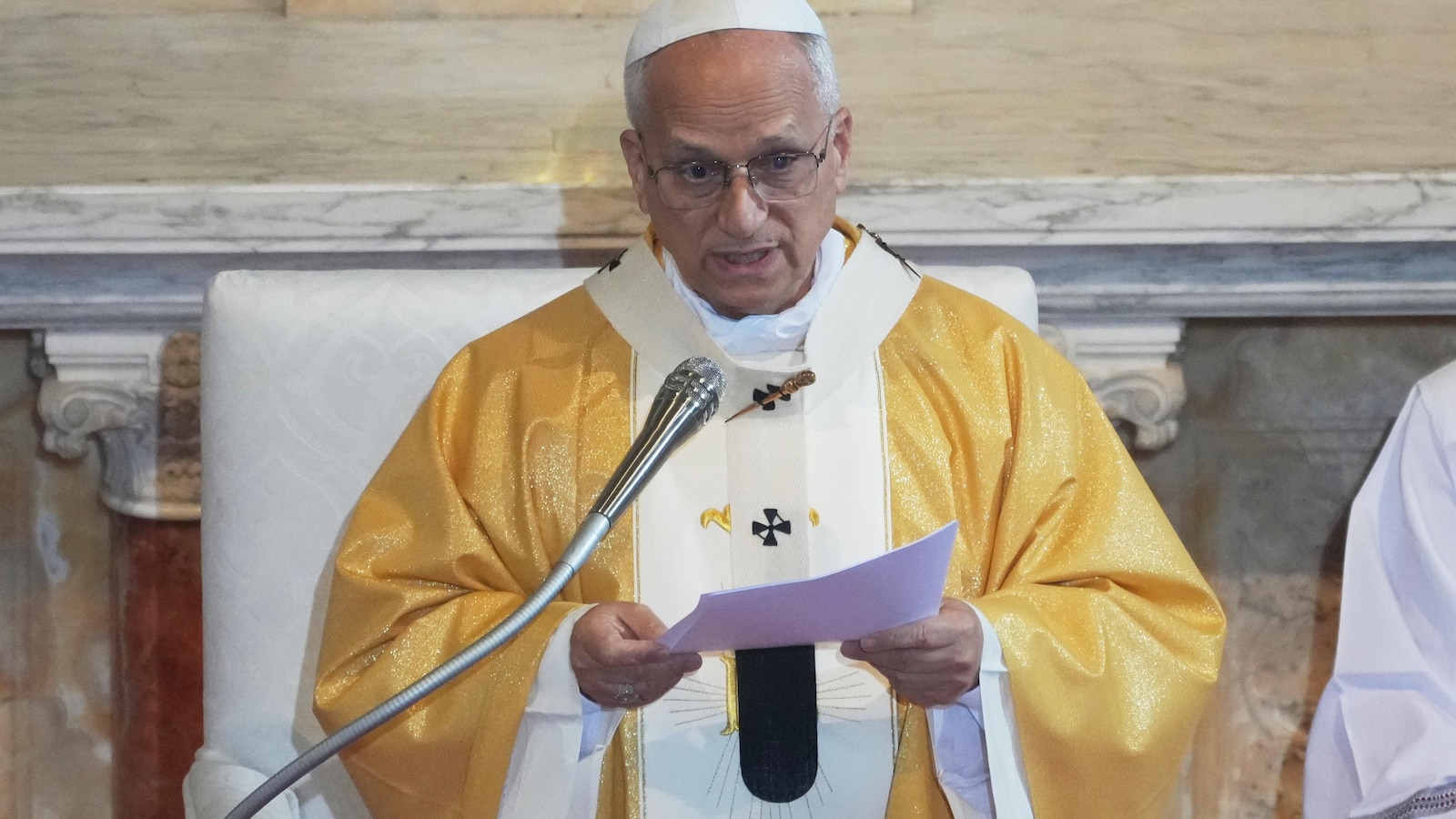
Pope Leo XIV touched down in Cameroon on Wednesday, marking a significant moment as the first U.S.-born pope to visit the African continent. His arrival in the capital city of Yaounde comes at a critical time for this mineral-rich central African nation, which faces both political controversy and violent conflict. The pope’s visit, which follows his stop in Algeria as part of a four-nation African tour, carries powerful themes of peace, anti-corruption, and proper governance. Vatican officials have made it clear that Leo XIV intends to address the challenging political climate head-on, meeting directly with President Paul Biya while also reaching out to those affected by the country’s ongoing separatist crisis. The visit represents not just a spiritual journey but a diplomatic mission aimed at promoting reconciliation and democratic values in a region struggling with authoritarian leadership and civil unrest.
Confronting Authoritarianism and Disputed Elections
The timing of Pope Leo XIV’s visit couldn’t be more politically charged. President Paul Biya, at 93 years old, stands as the world’s oldest head of state and has maintained his grip on Cameroon since 1982—a reign spanning more than four decades. Last year’s election, which granted Biya an eighth term in office, has been widely contested and rejected by opposition groups who claim the results were fraudulent. Issa Tchiroma Bakary, Biya’s main electoral rival, has publicly declared himself the true winner and has called on Cameroonians to reject the official outcome. Despite this contentious political backdrop—or perhaps because of it—Pope Leo will meet with President Biya at the presidential palace immediately upon arrival. In a last-minute change to the original schedule, Biya himself, rather than the prime minister, will deliver a speech before the pope addresses government authorities, civil service representatives, and diplomats. The Vatican has been transparent about its position on such political situations, making clear that Catholic social teaching fundamentally opposes the kind of authoritarian leadership that Leo is encountering throughout his African tour.
A Message About Authentic Democracy
Just days before his arrival in Cameroon, Pope Leo XIV issued a powerful statement about the proper role of political leaders and the essential need for what he termed “authentic democracy.” In a message to a Vatican academy for social sciences dated April 1st, the pope outlined his vision for legitimate political authority and the safeguards necessary to prevent the abuse of power. His words carry particular weight given the context of his visit: “Democracy remains healthy only when it is driven by morality and a vision of humanity that respects the dignity of everyone,” Leo wrote. He warned that without this moral foundation, democracy “risks becoming either a majoritarian tyranny or a mask for the dominance of economic and technological elites.” While this message wasn’t officially directed at any specific nation or leader, its timing alongside his Cameroon visit sends an unmistakable signal. The Vatican has identified fighting corruption and insisting on the correct uses of political authority as central themes of Leo’s time in this mineral-rich country, where resources haven’t translated into widespread prosperity for ordinary citizens. After his meetings at the presidential palace, the pope plans to visit an orphanage operated by a Catholic religious order of nuns, demonstrating his commitment to those most vulnerable in society.
Addressing the Separatist Crisis in Bamenda
Perhaps the most anticipated moment of Pope Leo XIV’s Cameroon visit is the “peace meeting” scheduled for Thursday in Bamenda, a city in the northwest that has become the epicenter of devastating separatist violence. Since 2017, English-speaking separatists have waged a rebellion against Cameroon’s French-speaking majority government, seeking to establish an independent state. This conflict, rooted in linguistic and cultural divisions dating back to the country’s colonial history, has torn apart communities and claimed a staggering human toll. According to the International Crisis Group, a respected think tank that monitors global conflicts, more than 6,000 people have been killed in the fighting, and over 600,000 others have been forced from their homes. The violence has devastated the region’s infrastructure, disrupted education, and created a humanitarian crisis that continues to worsen. In a remarkable gesture that underscores the pope’s moral authority and the desperate desire for peace, English-speaking separatists announced a three-day ceasefire on the eve of Leo’s arrival. The Unity Alliance, representing several separatist groups, stated that this pause in fighting reflects the “profound spiritual importance” of the papal visit and is intended to allow civilians, pilgrims, and dignitaries to travel safely. This temporary ceasefire offers a glimmer of hope that the pope’s presence and message might help create an opening for dialogue and eventual reconciliation.
Mass Gathering and Spiritual Mission
Beyond the political meetings and peace initiatives, Pope Leo XIV’s visit to Cameroon also serves a deeply spiritual purpose for the country’s Catholic community. On Friday, the pope will celebrate Mass in the coastal city of Douala, where an estimated 600,000 people are expected to gather—a testament to both the size of Cameroon’s Catholic population and the excitement surrounding this historic papal visit. Catholics make up approximately 29% of Cameroon’s population, representing a significant and influential community within this diverse nation. For many Cameroonian Catholics, this Mass represents a once-in-a-lifetime opportunity to see and worship with the leader of their global church. The gathering will likely serve multiple purposes: providing spiritual encouragement to believers, demonstrating the unity and strength of the Catholic community, and sending a broader message about the church’s commitment to the people of Cameroon during these difficult times. The sheer scale of the expected turnout—600,000 people in a single gathering—illustrates the pope’s drawing power and the hunger among ordinary Cameroonians for hope, inspiration, and perhaps a path forward from the political and social challenges that have plagued their nation.
Looking Ahead on the African Tour
Pope Leo XIV’s time in Cameroon represents just one portion of his broader engagement with Africa, a continent that holds increasing importance for the global Catholic Church. After concluding his Cameroon visit with Friday’s massive gathering in Douala, the pope will travel to Angola on Saturday for the third leg of his four-nation tour, which will conclude next week in Equatorial Guinea. Each stop on this journey has been carefully selected to address different challenges facing African nations and their people—from Algeria’s interfaith relations to Cameroon’s governance and conflict issues, and onward to other pressing concerns in Angola and Equatorial Guinea. The tour reflects the Vatican’s recognition that Africa’s growing Catholic population and the continent’s various struggles with democracy, corruption, conflict, and development require direct papal attention and engagement. By choosing to make this his first visit to Africa as history’s first American-born pope, Leo XIV is signaling that the church under his leadership will not shy away from difficult conversations or challenging political situations. Instead, he is modeling a form of spiritual leadership that combines pastoral care with prophetic witness—comforting the afflicted while also speaking uncomfortable truths to those in power. As his Cameroon visit demonstrates, Pope Leo XIV is willing to meet with controversial leaders while simultaneously advocating for the democratic values, human dignity, and peace that remain central to Catholic social teaching.