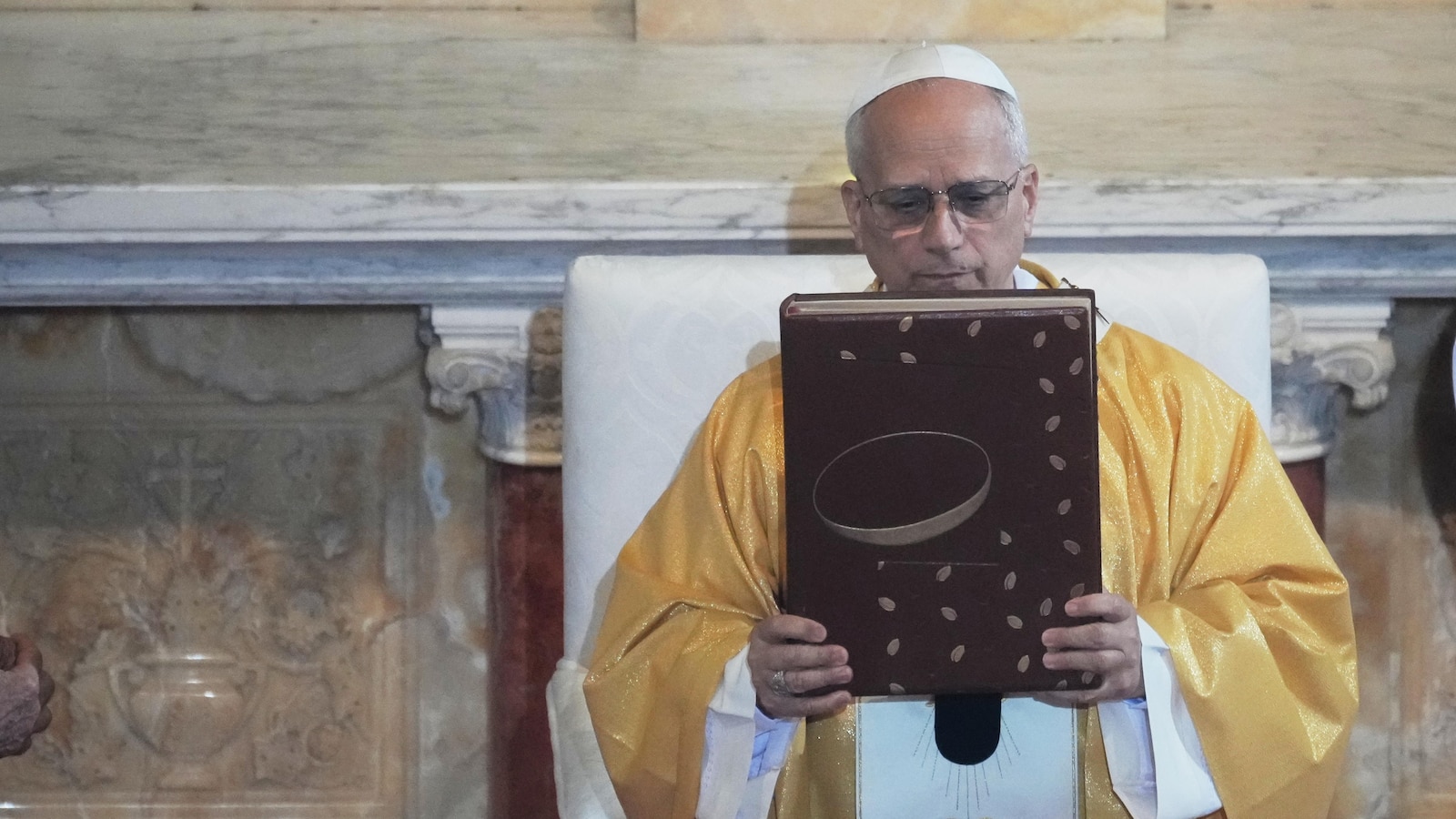

Pope Leo XIV Stands Firm on Peace Message Amid Trump Criticism
A Message of Peace from Above
Flying high above the African continent on his way to Cameroon, Pope Leo XIV found himself at the center of an escalating war of words with the White House. Speaking to journalists aboard the papal plane on Wednesday, the pontiff made it clear that he would not be backing down from his message of peace and dialogue, despite increasingly pointed criticism from U.S. President Donald Trump. Without directly addressing the president’s latest social media attacks or even the pointed warning from Vice President JD Vance—a Catholic convert who suggested the pope should “be careful” when discussing theological matters—Leo XIV remained focused on what he believes the world desperately needs to hear right now. Rather than taking questions from the press corps, the first American-born pope in history chose to redirect attention to his recent visit to Algeria and the timeless teachings of St. Augustine of Hippo, the fourth-century theologian who serves as both the inspiration for his religious order and the foundation of his own spiritual life.
The Escalating Conflict Between Two Leaders
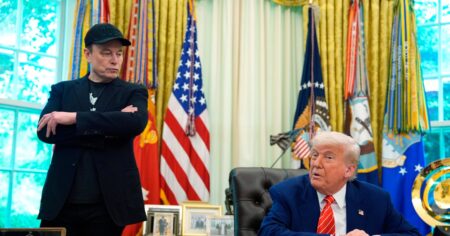
The tension between the Vatican and the White House has been building throughout the week, with President Trump launching a series of broadsides against Pope Leo XIV that have been remarkable both for their frequency and their intensity. Trump has accused the pope of being weak on crime, claimed he’s been captured by leftist ideology, and even suggested that Leo owes his papal election to Trump’s influence. In one of the more controversial moments, the president posted—and subsequently deleted—an AI-generated image depicting himself in a Christ-like pose, a move that drew widespread condemnation not just from critics but even from many of his own supporters. The attacks continued overnight, with Trump posting “Not good!!!” in response to social media posts Leo had made before becoming pope that were critical of Trump’s policies and rhetoric. In another post, Trump directly challenged the pontiff’s stance on the ongoing conflict in the Middle East, writing: “Will someone please tell Pope Leo that Iran has killed at least 42,000 innocent, completely unarmed, protesters in the last two months, and that for Iran to have a Nuclear Bomb is absolutely unacceptable.” The underlying cause of this diplomatic crisis stems from Leo’s amplification of criticism regarding warfare and his assertion that God doesn’t bless those who drop bombs, along with his characterization of Trump’s threat to annihilate Iranian civilization as “truly unacceptable.”
Drawing Wisdom from Ancient Sources
Rather than engaging in a public spat with the American president, Pope Leo XIV chose a more contemplative and historically grounded approach during his in-flight remarks. He drew particular attention to his Tuesday visit to Annaba, the ancient city of Hippo in Algeria, where St. Augustine served as bishop for more than three decades during the early fifth century. For Leo, this wasn’t merely a historical pilgrimage but a deliberate statement about the values he believes should guide not just the Catholic Church but all of humanity in these troubled times. “His writings, his teaching, his spirituality, his invitation to search for God and to search for truth is something that is very much needed today, a message that is very real for all of us today as believers in Jesus Christ, but for all people,” Leo explained to the assembled journalists. By visiting this historic site, the pope said he hoped to offer both the church and the wider world a vision rooted in St. Augustine’s philosophy—one that emphasizes seeking “unity among all peoples and respect for all people in spite of the differences.” This emphasis on unity despite differences takes on particular significance given the current geopolitical tensions and the pope’s disagreement with the Trump administration’s approach to international conflict.
Building Bridges Between Faiths
One of the most compelling aspects of Pope Leo’s remarks centered on the interfaith dimensions of his visit to Algeria, a nation where the vast majority of the population practices Islam. The pope noted with evident appreciation that Algerians respect and honor St. Augustine as “one of the great sons of their land,” despite the religious differences between Christianity and Islam. For Leo, this attitude of mutual respect and recognition represents exactly the kind of bridge-building the world needs more of in an era increasingly characterized by division and conflict. He specifically highlighted his visit to the Great Mosque of Algiers, where he stood in silent prayer—a powerful symbolic gesture that spoke volumes without words. “I think the visit to the mosque was significant to say that although we have different beliefs, we have different ways of worshiping, we have different ways of living, we can live together in peace,” the pope explained. This message of coexistence and mutual respect stands in stark contrast to the more confrontational approach favored by the Trump administration, particularly regarding Muslim-majority nations in the Middle East. By promoting what he called “that kind of image,” Leo believes he’s offering something essential that “the world needs to hear today”—a vision of humanity that acknowledges differences while refusing to let those differences become justifications for violence and destruction.
The Significance of Historical Firsts
The conflict between Pope Leo XIV and President Trump carries additional layers of complexity due to the unique historical position both men occupy. Leo XIV is the first American-born pope in the two-thousand-year history of the Catholic Church, a fact that makes this public disagreement between an American pontiff and an American president particularly remarkable. This unprecedented situation raises questions about national identity, spiritual authority, and where ultimate loyalties should lie. Does being American-born mean Pope Leo should be more sympathetic to U.S. foreign policy positions? Or does the transcendent nature of papal authority demand a perspective that rises above national interests? These are not merely academic questions but real tensions playing out on the world stage in real time. Trump’s assertion that Leo somehow “owes” his papacy to Trump himself reveals a fundamental misunderstanding of how papal elections work and the nature of spiritual authority versus political power. The Catholic Church’s understanding of the papacy sees it as guided by the Holy Spirit and accountable ultimately to God, not to earthly powers—even when those powers happen to come from the same country as the pope. This theological principle of independence from political pressure is being tested in a very public way, and Pope Leo’s decision to continue his message of peace despite White House criticism suggests he takes that independence seriously.
The Broader Implications for Church and State
As Pope Leo XIV continues his pastoral visit to Africa, the confrontation with President Trump raises profound questions about the relationship between religious leadership and political power in the twenty-first century. The pope’s strategy of responding without directly responding—of addressing the substance of his message while avoiding a point-by-point rebuttal of Trump’s accusations—reflects a sophisticated understanding of the different kinds of authority each man wields. Trump operates in the realm of immediate political power, social media influence, and nationalistic appeal. Leo operates in the realm of moral authority, ancient tradition, and universal spiritual principles. Neither can truly defeat the other because they’re playing fundamentally different games by fundamentally different rules. What makes this conflict particularly significant is that it represents a test case for how religious institutions will maintain their prophetic voice in an era of strongman politics and populist nationalism. Will churches bend to political pressure when criticized by powerful leaders, or will they hold firm to principles that may be politically inconvenient? Pope Leo’s choice to double down on his message of peace and dialogue, even as criticism from the White House intensifies, suggests he understands what’s at stake extends far beyond this particular disagreement. The world is watching to see whether the moral authority of religious leadership still carries weight in international affairs, or whether it will be drowned out by the noise of political combat and social media warfare. As the papal plane carried Leo XIV toward Cameroon, the answer to that question remained very much in the balance.