
Pope Leo XIV’s Historic Visit to Algeria: A Mission of Peace Amid Global Tensions
A Groundbreaking Papal Journey to Africa
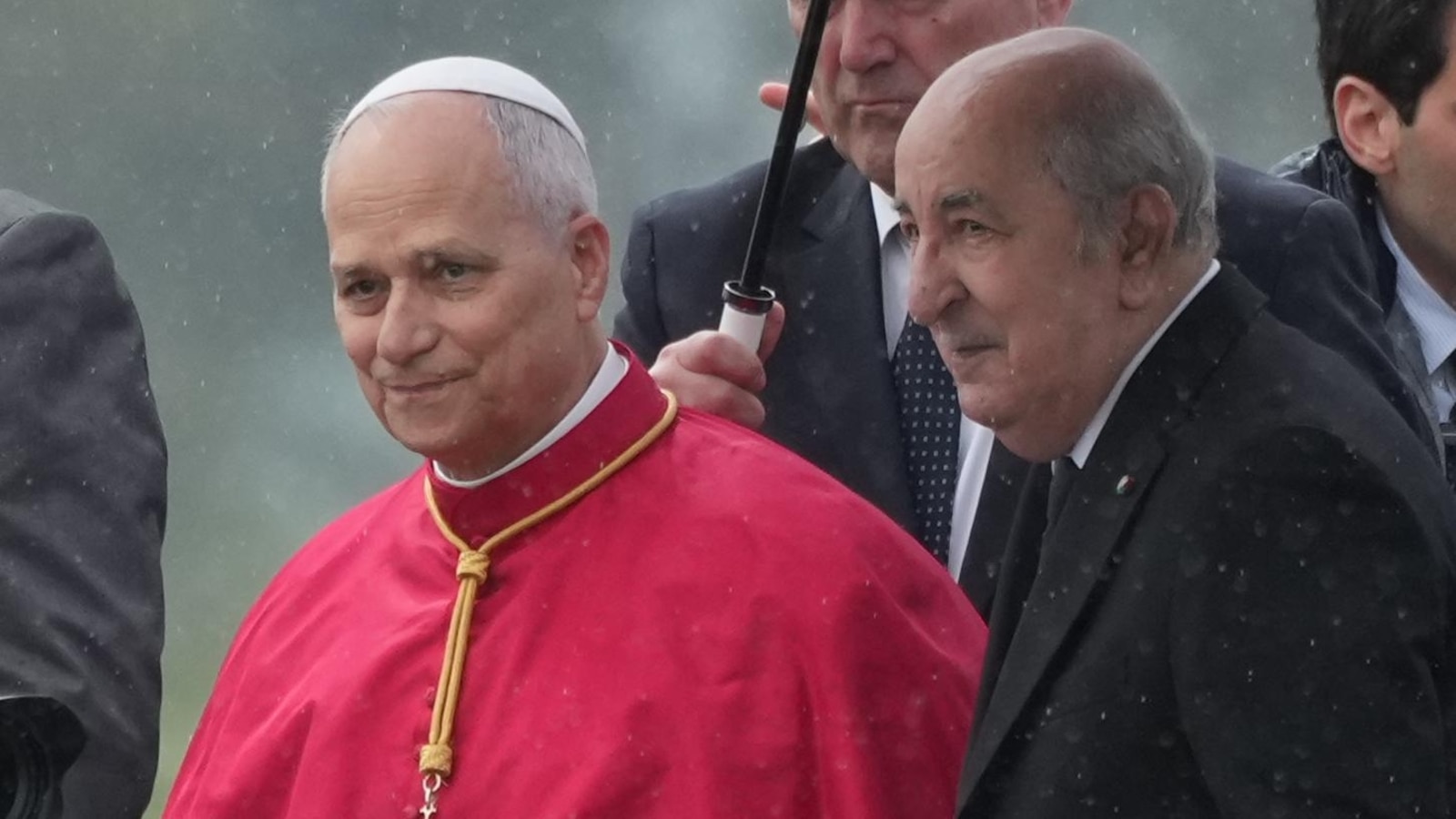
In a momentous first for the Catholic Church, Pope Leo XIV touched down in Algiers, Algeria, on Monday, marking the beginning of an ambitious 11-day tour across four African nations. This historic visit represents the first time a sitting pope has set foot in Algeria, and it comes at a particularly significant moment as the pontiff—the first American-born leader of the Catholic Church—ventures deep into what has become the vibrant, growing heart of global Catholicism. The extensive itinerary includes stops in Algeria, Cameroon, Angola, and Equatorial Guinea, regions where the Catholic faith continues to expand rapidly even as it faces challenges in its traditional European strongholds. Leo’s journey to Algeria carries multiple purposes: promoting peaceful coexistence between Christians and Muslims during a time of heightened global conflict, honoring the legacy of St. Augustine of Hippo who was born in the region, and celebrating the witness of Catholic martyrs who gave their lives for their faith during Algeria’s turbulent recent history. The pope’s message throughout this visit centers on his signature greeting—”Peace be with you”—which serves as the official motto for the Algerian portion of his African pilgrimage.
Trump’s Unprecedented Attack and Leo’s Measured Response
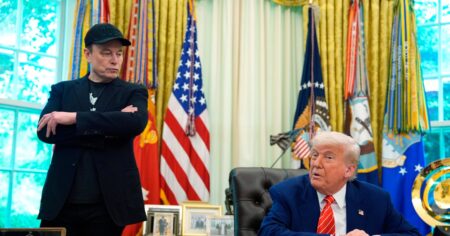
The papal visit was unexpectedly overshadowed by an extraordinary public confrontation between Pope Leo XIV and U.S. President Donald Trump, marking one of the most dramatic clashes between an American president and a pope in modern history. Trump launched a surprising broadside against the Chicago-born pontiff, criticizing his performance and suggesting that Leo should “stop catering to the Radical Left.” The president’s comments came against the backdrop of ongoing conflict in the Middle East and apparent disagreements over the Vatican’s calls for peace and diplomatic solutions. Rather than escalating the tension, Pope Leo responded with characteristic restraint while aboard the papal plane en route to Algeria. The pontiff calmly explained that the Vatican’s consistent appeals for peace and reconciliation are firmly rooted in Gospel teachings, not political ideology, and stated clearly that he did not fear the Trump administration or its criticisms. This measured response demonstrated Leo’s commitment to maintaining the Church’s independence from political pressures while staying true to its fundamental mission of promoting peace and human dignity. The public nature of this disagreement between the leader of the world’s 1.3 billion Catholics and the president of the United States added an unexpected layer of drama to what was already a historically significant papal journey.
Honoring Algeria’s Painful Past and Calling for Reconciliation
Pope Leo’s first official act upon arriving in a rain-soaked Algiers was a visit to the monument commemorating the martyrs of Algeria’s brutal war for independence from France, which ended in 1962 after claiming hundreds of thousands of lives. The Algerian revolution was marked by horrific violence on both sides, with French forces employing torture, forced disappearances, and village destruction as part of their counterinsurgency efforts to maintain colonial control. Speaking in English before a crowd of several thousand people gathered at the monument, Leo delivered a powerful message about the nature of true peace. “God desires peace for every nation: a peace that is not merely an absence of conflict, but one that is an expression of justice and dignity,” the pope declared. He acknowledged the profound difficulty of forgiveness while emphasizing its necessity for breaking cycles of violence and resentment that can poison relationships between peoples for generations. “I know how difficult it is to forgive. However, as conflicts continue to multiply throughout the world, we cannot add resentment upon resentment, generation after generation,” Leo said, before offering words of hope: “In the end, justice will always triumph over injustice, just as violence, despite all appearances, will never have the last word.” These themes of reconciliation and healing were particularly poignant given Algeria’s complex history with France and the ongoing challenges the nation faces in building a peaceful, pluralistic society.
Christian-Muslim Coexistence in a Predominantly Muslim Nation
The Catholic Church in Algeria exists as a tiny minority within a nation of approximately 47 million predominantly Sunni Muslims—with only about 9,000 Catholics, most of whom are foreign nationals rather than native Algerians. Despite this dramatic numerical disparity, stories of interfaith cooperation and mutual respect have emerged as bright spots in an otherwise complicated religious landscape. Cardinal Jean-Paul Vesco, the French-born Archbishop of Algiers, shared a remarkable statistic with The Associated Press: on any given day, nine out of ten visitors to the Our Lady of Africa basilica are Muslims, not Catholics. “It’s wonderful to be able to show that we can be brothers and sisters together, building a society despite our different religions,” Vesco explained. “And that is what our church has been doing since this country gained independence.” However, this picture of interfaith harmony is complicated by significant restrictions on religious freedom. The United States has placed Algeria on its special watch list for “having engaged in or tolerated severe violations of religious freedom.” While Algeria’s constitution recognizes religions other than Islam and permits individuals to practice their faith provided they respect public order, proselytizing to Muslims is a criminal offense. Some Christian denominations have faced persecution, with Algerian authorities closing their churches. An Algerian student named Selma Dénane captured the ambivalence many feel about the papal visit: “I imagine it’s a good thing that a pope is visiting Algeria. But what will it change afterward? Will Christians be able to say, ‘I am a Christian’ without fear or stigmatization?” This question underscores the ongoing challenges facing religious minorities in the country despite official protections.
Remembering the Catholic Martyrs of Algeria’s “Black Decade”
Three decades after achieving independence, Algeria descended into a devastating civil war during the 1990s—a period known locally as the “black decade”—when approximately 250,000 people lost their lives as government forces battled an Islamist insurgency. Among the victims were 19 Catholics who became martyrs for their faith, refusing to abandon their ministry and the Algerian people even as violence engulfed the nation. The most famous of these martyrs were seven Trappist monks from the Tibhirine monastery south of Algiers, who were kidnapped and killed by Islamic fighters in 1996. Their story of radical commitment to their community and their faith became internationally known through the 2010 French film “Of Gods and Men.” Also among the 19 martyrs were two nuns from Leo’s own Augustinian religious family, creating a personal connection between the pontiff and these witnesses to the faith. Sister Lourdes Miguelez, one of the remaining Augustinian nuns who continues their work running social services projects that help people of all faiths from the Algiers basilica, explained their sacrifice: “They gave their lives for God, for Jesus, for the church, for the Algerian people because they didn’t want to leave the country, even in the difficult moments.” All 19 martyrs were beatified in 2018, marking the first such ceremony in the Muslim world. Cardinal Vesco noted a remarkable coincidence: Pope Leo was elected on May 8, the Catholic feast day commemorating these 19 martyrs. Immediately following Leo’s election, Vesco extended an invitation for the new pope to visit Algeria. Leo has also embraced the teachings of Christian de Chergé, the martyred prior of the Tibhirine monastery, particularly his phrase about an “unarmed and disarming peace”—a concept the pope has cited repeatedly since the night of his election.
Walking in the Footsteps of St. Augustine
Beyond the political and interfaith dimensions of his visit, Pope Leo XIV’s journey to Algeria holds profound personal and spiritual significance. His Augustinian religious order draws its inspiration from St. Augustine of Hippo, the towering fifth-century theologian and philosopher who shaped Western Christian thought for centuries to come. Augustine was born in what is today Algeria and spent all but five years of his life in the region, serving as bishop of Hippo (modern-day Annaba) for three decades. On Tuesday, Leo planned to visit Annaba and literally walk in the footsteps of this spiritual giant who has so profoundly influenced his own thinking and ministry. From his very first public words as pope, Leo proclaimed himself a “son of St. Augustine,” and throughout his first year in office, he has consistently referenced the church father in his speeches, homilies, and official documents. Paul Camacho, associate director of the Augustinian Institute at Villanova University—Leo’s own alma mater outside Philadelphia—observed: “I don’t know if I have seen a statement, a homily, an apostolic letter or exhortation that doesn’t reference Augustine.” Camacho emphasized Augustine’s enduring influence: “The shadow that he casts on Western thought, not just the Roman Catholic Church but on Western thought more broadly, is very, very long indeed.” For Pope Leo, this pilgrimage to Augustine’s homeland represents a homecoming of sorts—a chance to connect with the geographical and spiritual roots of the tradition that has shaped his entire life and now guides his leadership of the global Catholic Church during these challenging times of conflict and division.