
Super Typhoon Sinlaku Threatens U.S. Pacific Territories with Devastating Force
A Powerful Storm Makes Landfall on the Marianas Islands
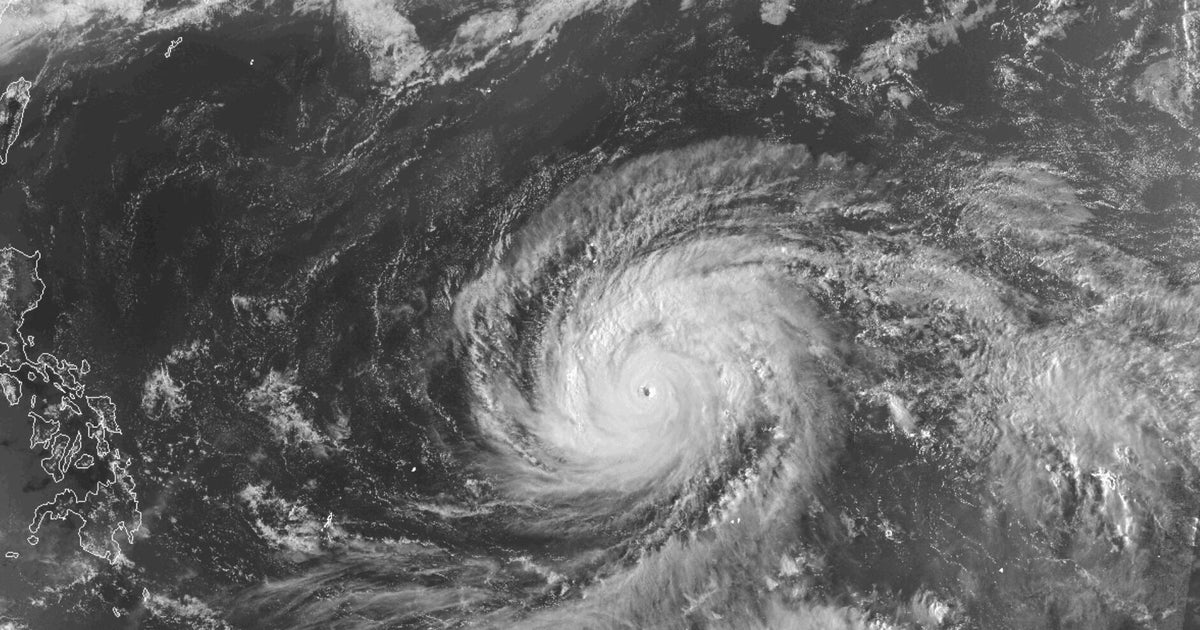
The western Pacific region is bracing for impact as Super Typhoon Sinlaku, one of the most powerful storms recorded this year, made its dramatic arrival on the northern Marianas Islands Tuesday evening. The storm’s inner eyewall crashed ashore on the islands of Tinian and Saipan around 10:15 p.m. local time, bringing with it catastrophic winds reaching 130 miles per hour – the equivalent of a strong Category 4 hurricane. The National Weather Service office in Guam has been closely monitoring the situation, providing critical updates to residents as this massive weather system churns through the region. What makes this storm particularly dangerous is not just its raw power, but also its unpredictable behavior, including periods where it became nearly stationary just 30 miles offshore, hovering menacingly before making its final approach. The combination of extremely high winds, torrential rainfall, and the potential for widespread flooding has created a life-threatening situation for everyone in the storm’s path. Authorities have issued urgent warnings for residents to remain sheltered in place, emphasizing that even when the eye of the storm passes over and conditions temporarily calm, the backside of the typhoon will bring even more destructive winds that could catch people off guard if they venture outside prematurely.
Understanding the Devastating Power of a Super Typhoon
To truly grasp the severity of Sinlaku, it’s important to understand what makes a super typhoon so extraordinarily dangerous. In the Southwest Pacific region, meteorologists use the term “typhoon” to describe what Americans would call a hurricane – essentially the same weather phenomenon, just with a different regional name. When a typhoon’s maximum sustained winds climb above 150 miles per hour, it earns the frightening designation of “super typhoon,” indicating a storm of exceptional destructive potential. Sinlaku didn’t just barely qualify for this classification – at its peak strength while traveling over open ocean waters on Sunday, the storm’s maximum wind speeds reached an absolutely staggering 180 miles per hour. This incredible force makes Sinlaku the most powerful storm to develop anywhere in the world so far this year, surpassing even the formidable typhoons Narelle and Dudzai that struck earlier in the season. The Associated Press shared video footage showing the early impacts on Saipan as the super typhoon approached, with fierce winds already whipping across the landscape and heavy rain pelting the island even before the storm’s full fury arrived. These preliminary conditions were just a preview of what residents would face once the eyewall made its complete passage over the islands.
Impact on Guam and Military Installations
While Guam has been fortunate enough to avoid a direct hit from Super Typhoon Sinlaku, the island hasn’t escaped the storm’s wrath entirely. Home to approximately 170,000 people and three important U.S. military bases, Guam has experienced significant impacts despite being on the periphery of the typhoon’s path. Wind gusts of up to 80 miles per hour have already been recorded across the island, causing damage to infrastructure and knocking out power in multiple areas throughout the territory. The Guam Joint Information Center has been working around the clock to keep residents informed, issuing advisories that emphasize the ongoing danger even after the storm’s closest point of approach has passed. According to their latest updates, damaging winds are expected to persist across Guam through Wednesday afternoon, continuing to pose serious risks to public safety, buildings, infrastructure, and power lines. The center has strongly urged all residents to remain indoors and to stay out of the water, as dangerous conditions will continue for an extended period. The practical impacts of the storm have been far-reaching – the Guam Department of Education has closed all schools for Tuesday and Wednesday, with plans to keep them shuttered until the governor officially declares that conditions are safe enough for students to return to classes. Meanwhile, Guam’s water authority has acknowledged multiple power outages throughout the island as a direct result of the super typhoon’s powerful winds.
The Dangerous Phenomenon of the Storm’s Eye
One of the most critical safety messages that the National Weather Service has emphasized is the dangerous false sense of security that can occur when a typhoon’s eye passes over an area. As Sinlaku’s eye moved across Tinian and Saipan, residents experienced what forecasters describe as a “short reprieve” – a temporary period when winds suddenly die down and the rain stops, creating an eerie calm that can be deceptively peaceful. However, this calm is actually one of the most dangerous moments during a typhoon’s passage, because it can tempt people to leave their shelters, venture outside to assess damage, or check on neighbors. The weather service has been emphatic in warning people that they must remain sheltered in place even when the winds temporarily become calm within the eye. This is because the backside of the storm – the portion that follows after the eye passes – often brings even stronger and more destructive winds than the front side of the storm. People who venture out during this temporary calm can find themselves caught outside when these powerful winds suddenly return, potentially leading to tragic consequences. Understanding this phenomenon and resisting the urge to go outside during the eye’s passage is absolutely critical for survival during a super typhoon of this magnitude.
Widespread Warnings and Preparations Across the Region
As Sinlaku approached the Marianas Islands, forecasters worked diligently to ensure that all potentially affected areas received appropriate warnings and had time to prepare. Typhoon warnings – the most serious type of tropical cyclone alert – were issued for multiple islands in the Marianas chain, including Rota, Tinian, Saipan, Alamagan, Pagan, and Agrihan. These warnings indicated that typhoon conditions were expected within the warning area, giving residents and authorities a clear signal that they needed to complete all preparations and get to safe shelter immediately. Meanwhile, Guam remained under both a tropical storm warning, indicating that tropical storm conditions were expected, and a typhoon watch, meaning that typhoon conditions were possible and residents needed to remain vigilant. The layered approach to these warnings helps people understand the specific level of threat they face and the appropriate actions they need to take. The fact that Sinlaku was forecast to pass over or near Tinian and Saipan as a destructive Category 4 storm meant that these islands would face potentially catastrophic damage, with the storm packing enough power to destroy buildings, uproot trees, turn debris into dangerous projectiles, cause severe flooding, and disrupt essential services like power and water for an extended period.
Looking Ahead: Recovery and Resilience
As Super Typhoon Sinlaku continues its path through the western Pacific, the focus will soon shift from immediate survival to the challenging work of recovery and rebuilding. The communities of Tinian, Saipan, and the other affected Marianas Islands face what will likely be a long and difficult road ahead. After a storm of this magnitude, the damage assessment alone can take days or even weeks, as authorities work to understand the full scope of destruction to homes, businesses, infrastructure, and critical facilities. Power restoration typically takes considerable time after a super typhoon, as utility crews must first wait for conditions to become safe enough to work, then systematically repair or replace damaged power lines, transformers, and other equipment. Water systems may also require extensive repairs if treatment facilities or distribution networks were damaged. For the residents who weathered this storm, the experience will be one they’ll never forget – the howling winds, the torrential rain, the anxiety of waiting for the storm to pass, and the relief of survival followed by the sobering reality of assessing what was lost. However, these Pacific communities have faced powerful typhoons before and have demonstrated remarkable resilience in recovering from natural disasters. With support from federal agencies, military resources, and the determination of local residents, these islands will rebuild. The experience with Sinlaku will also provide valuable lessons for future storm preparedness, helping these communities become even more resilient in the face of the powerful typhoons that periodically threaten this beautiful but vulnerable region of the Pacific.