


A Miracle Reunion: Gaza’s Premature Babies Return Home After Two Years
The Desperate Evacuation That Captured the World’s Attention
In November 2023, a haunting image emerged from Gaza’s Al-Shifa Hospital that would become one of the most powerful symbols of civilian suffering in the Israel-Hamas war. Dozens of premature babies lay wrapped in aluminum foil, a desperate improvisation by medical staff trying to keep them warm as the hospital’s power failed and incubators went dark. With Israeli forces surrounding the facility and fuel supplies exhausted, these fragile newborns faced almost certain death. The situation was dire enough that international organizations coordinated an emergency evacuation, and more than two dozen tiny infants were rushed across the border into Egypt for life-saving medical care. Most survived that harrowing journey, but what was meant to be a temporary refuge turned into a two-and-a-half-year separation as Israel kept the border crossing sealed, leaving families torn apart by circumstances beyond their control. These babies would grow from newborns into toddlers on foreign soil, while their parents remained trapped in a war zone, watching their children’s first steps and first words only through photographs and video calls.
The Long Wait: Families Separated by War
For the families left behind in Gaza, the intervening years were marked by an agonizing paradox—relief that their children were safe and receiving proper medical care in Egypt, combined with the profound grief of missing their babies’ earliest years. Parents scrolled through photos on their phones, treasuring each image as their only connection to children they’d barely had a chance to hold. Some mothers had given birth amid the chaos of war only to have their babies whisked away for medical treatment before they could even establish that crucial early bond. The sealed border meant that even as a ceasefire was eventually negotiated and some semblance of normalcy tried to return to Gaza, these families remained incomplete. Seven of the original 28 babies tragically died despite the evacuation, and a few families had managed reunions during brief previous ceasefires, but for most, the separation continued month after month, turning into years. The emotional toll was compounded by the ongoing war itself—some parents had died in the conflict, extended family members were lost, and the very homes these children were meant to return to had been destroyed in the fighting.
Monday’s Emotional Homecoming
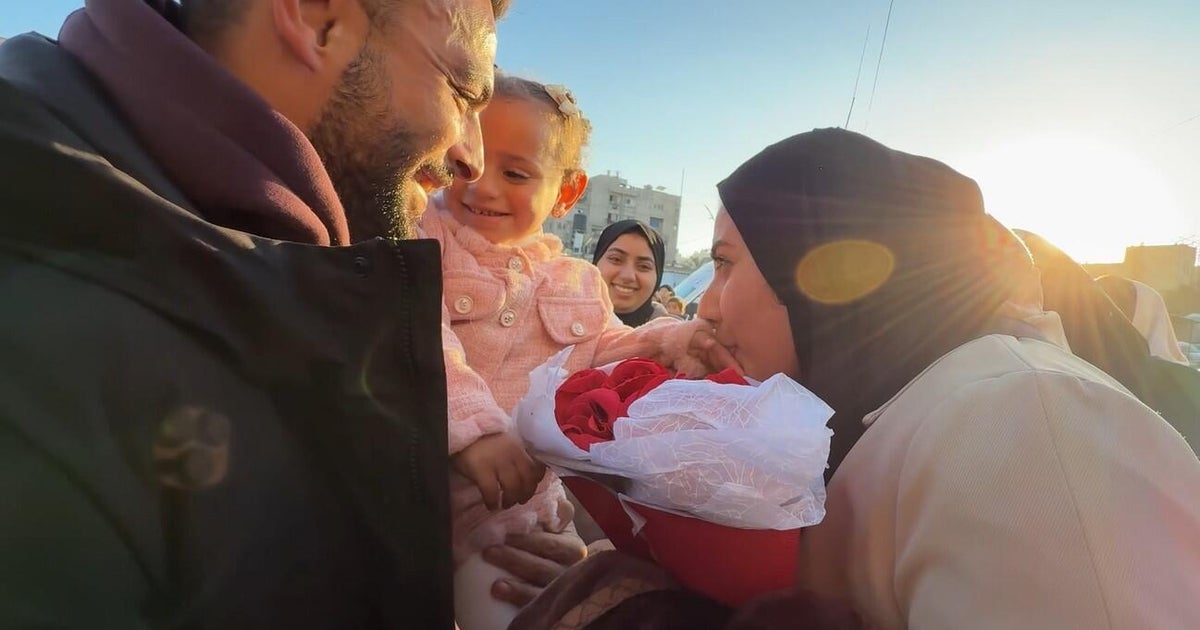
On a Monday in March 2026, ten buses carrying precious cargo finally crossed back into Gaza, bringing ten of the evacuated children home to Khan Younis in the southern part of the territory. The scene was one of overwhelming emotion as families gathered to meet children who were now walking, talking toddlers rather than the tiny, vulnerable infants they remembered. Sundus Al-Kurd, one of the waiting mothers, perfectly captured the complex feelings of the moment: “Today, a half an hour from now, I will meet my daughter for the first time, as if I were giving birth to her today. It’s an indescribable feeling.” Her words revealed the strange reality these parents faced—meeting their own children as strangers, uncertain whether these toddlers would recognize or accept the parents they’d never really known. The joy of reunion was tempered by fear and uncertainty, by the recognition that two and a half years represents an eternity in a young child’s life. The children were accompanied by nurses who had cared for them throughout their time in Egypt, women who had become surrogate family members and who had helped maintain the tenuous connection between the children and their biological families through photos, videos, and regular updates.
Stories of Individual Heartbreak and Hope
Among the waiting parents was Ahmed Al-Harsh, whose story exemplifies the compound tragedies many families endured. He had seen his son only once—briefly, in the hospital, when he was taking his wife’s body for burial. His wife had died from shrapnel wounds after giving birth, though doctors managed to save the baby. In the war, Al-Harsh lost twelve family members in total, including his father, who had desperately hoped to meet his grandson before he died. Standing in Khan Younis scrolling through photos of his son on his phone, Al-Harsh told reporters, “People carry their children in their hands, but I have been holding my son on the phone.” The images on his screen showed a child growing up in what appeared to be relatively comfortable circumstances in Egypt—a life Al-Harsh knew he couldn’t replicate in war-torn Gaza. His joy at the impending reunion was bittersweet, shadowed by grief for his lost family members and anxiety about the future he could offer his son. “I am happy to see my son after two and a half years, but my happiness isn’t complete without my family and loved ones,” he explained, his words capturing the impossible emotional calculus these parents were forced to make—grateful for survival while mourning everything that had been lost.
Medical Professionals Witness a Historic Moment
For the medical staff who had worked tirelessly to save these babies during those dark days in November 2023, Monday’s reunion represented a rare moment of celebration amid years of unrelenting tragedy. Dr. Ahmed Al-Farra, the pediatric director at Gaza’s Nasser Hospital, was present as the buses arrived, witnessing scenes he described as deeply moving. “Thank God, after two years, they came back, and their fathers and mothers recognized them. It was really a very great moment to see families reunited with their babies,” he told reporters. For healthcare workers who had endured the siege at Al-Shifa Hospital, watching helplessly as power systems failed and supply lines were cut, seeing these children return alive and healthy represented a vindication of their efforts under impossible circumstances. The two nurses who had stayed with the children throughout their entire time in Egypt were particularly crucial to the success of this story—they had provided continuity of care, maintained family connections, and ensured that despite the physical separation, these children had some awareness of their heritage and their biological families waiting for them back home.
An Uncertain Future in a Devastated Land
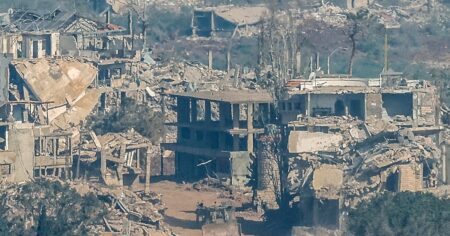
Yet even as families celebrated their reunions, the harsh reality of life in Gaza cast a shadow over the homecoming. The territory these children were returning to bore little resemblance to any normal environment for raising toddlers. Two and a half years of intense conflict had destroyed infrastructure, housing, medical facilities, and the basic systems needed to support family life. Ahmed Al-Harsh spoke for many parents when he acknowledged, “Life is hard in Gaza, and he won’t receive the same care as he did in Egypt.” The children had spent their first years in a place with electricity, functioning hospitals, adequate nutrition, and relative safety—luxuries that remained scarce in Gaza even with a ceasefire technically in place. Parents faced the painful awareness that in bringing their children home, they were also bringing them into hardship, danger, and deprivation. The reunion marked the end of one ordeal—the forced separation—but it also signaled the beginning of another: raising young children in a place where basic necessities remained uncertain, where the psychological trauma of war affected everyone, and where the future remained precarious. These ten families, like so many others in Gaza, would have to find ways to create childhood, normalcy, and hope in circumstances that offered none of those things easily. Their story, which had captured international attention with those haunting images of aluminum-foil-wrapped babies, continues as a testament to both the resilience of families and the ongoing human cost of conflict.