
Tragedy Strikes Ghanaian Football: Young Player Killed in Armed Robbery Attack
A Devastating Loss for Ghana Football
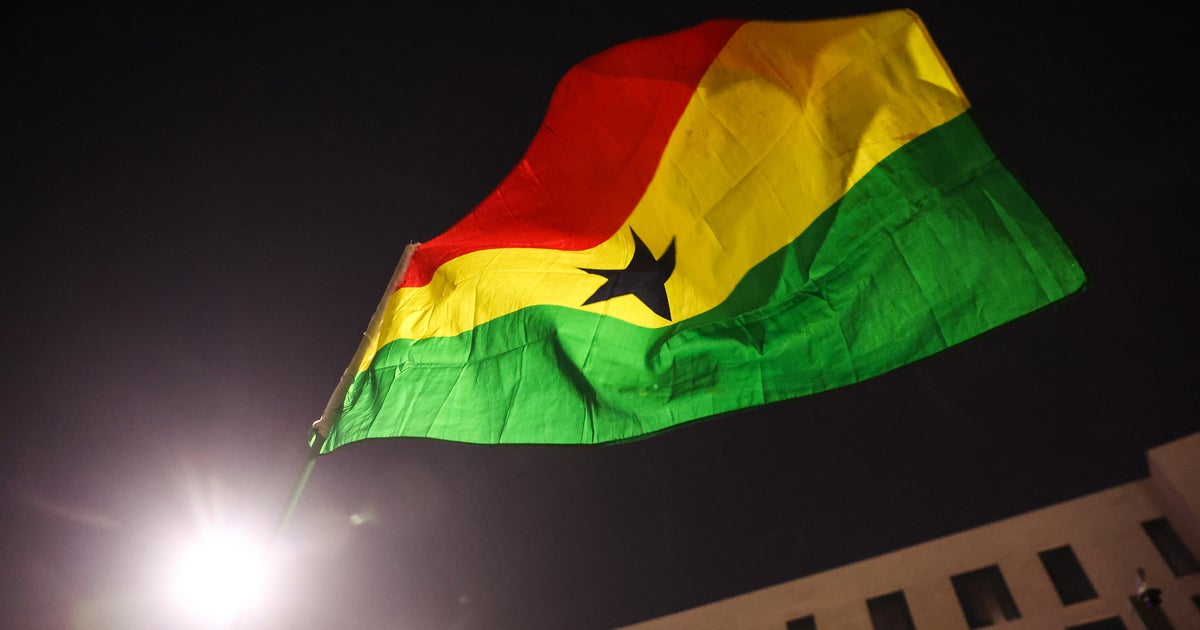
The Ghanaian football community is mourning the heartbreaking loss of one of its promising young talents following a terrifying armed robbery attack. Twenty-year-old Dominic Frimpong, a winger playing for Premier League club Berekum Chelsea, lost his life when the team’s bus was ambushed by suspected armed robbers on Sunday evening. The tragic incident occurred as the team was making their way home after competing against Samartex in Samreboi, located in southern Ghana. What should have been a routine journey back from a league match turned into a nightmare that has sent shockwaves throughout the nation’s sporting community and raised serious questions about the safety of athletes traveling for domestic competitions.
The Horrifying Attack Unfolds
According to the official statement released by Berekum Chelsea, the attack was sudden and terrifying. As the team bus traveled along the road, masked men armed with guns and assault rifles emerged and began firing at the vehicle. The driver, faced with this life-threatening situation, attempted to reverse the bus in a desperate bid to escape the danger. However, the attackers continued their assault, forcing players and staff members to flee the bus and seek refuge in the surrounding bushes. The scene was one of absolute chaos and terror, with young athletes running for their lives through unfamiliar terrain in the darkness. In addition to Frimpong’s death, one player sustained serious injuries and was rushed to a nearby hospital for urgent medical treatment. Another victim of the robbery was 52-year-old George Owusu Afriyie, who was robbed of more than $400 during the frightening ordeal. The attack lasted several harrowing minutes, leaving everyone present traumatized by the experience they had just endured.
Remembering Dominic Frimpong’s Promise
Dominic Frimpong was more than just a statistic or a name on a team roster—he was a young man with dreams, talent, and a bright future ahead of him. The 20-year-old winger had joined Berekum Chelsea on loan from Aduana Stars FC at the beginning of the year, and in his short time with the club, he had already made a significant impact. According to local media reports, Frimpong appeared in 13 games for Berekum Chelsea and scored two goals, demonstrating the skill and determination that had made him such a highly regarded prospect. The Ghanaian Football Association’s statement captured the profound sense of loss felt across the country, describing the incident as “not only a huge loss to Berekum Chelsea but also to Ghana football as a whole.” They emphasized that Dominic was “a promising young talent whose dedication and passion for the game embodied the spirit of our league.” His commitment to football, his work ethic, and his love for the sport had made him a role model for younger players and a valued member of his team. Now, all of that potential will never be realized, cut short by senseless violence.
Football Leaders React to the Tragedy
The response from Ghana’s football leadership has been swift and emotional. Kurt Edwin Simeon-Okraku, the president of the Ghanaian Football Association, took to social media to express his grief over the incident, describing it simply as “heartbreaking.” In his post on X (formerly Twitter), he extended condolences to Berekum Chelsea and wrote, “May Dominic’s soul rest in perfect peace.” The heartfelt message was accompanied by a tribute image, reflecting the deep sorrow felt at the highest levels of Ghanaian football administration. Beyond the immediate expressions of grief, football authorities are now grappling with the difficult questions raised by this tragedy. The GFA announced that it would be working to strengthen security measures for clubs traveling to domestic competitions, recognizing that the current arrangements are clearly inadequate to protect players and staff. However, many within the football community are questioning whether these measures will be enough, or if more fundamental changes are needed to ensure the safety of those who dedicate their lives to the sport.
Growing Concerns About Player Safety
This tragic incident is not an isolated occurrence, and that fact is particularly troubling for those involved in Ghanaian football. In 2023, another Premier League team, Legon Cities, experienced a similar attack when their bus was targeted by suspected armed robbers. Fortunately, that earlier incident resulted in no injuries, but it served as a warning sign that was apparently not heeded with sufficient urgency. Now, with a young life lost, the conversation about player safety has taken on a new level of urgency and seriousness. Ghanaian sports journalist Muftawu Abdulai, speaking with BBC Sport Africa, articulated the growing anxiety among fans and those involved in the sport. He noted that people are increasingly asking whether it is even “safe to travel and play league matches” in the current environment. His comments reflect a broader concern that goes beyond a single incident—it speaks to systemic issues with security and infrastructure that put athletes at risk every time they travel for competitions. Abdulai put the situation in stark terms when he told BBC Sport Africa, “If the lives of the people or the key architect of the game cannot be protected then it is not worth playing the game.” This powerful statement captures the dilemma now facing Ghanaian football: how can the sport continue if those who make it possible are not safe?
The Path Forward for Ghanaian Football
As Ghana mourns the loss of Dominic Frimpong, difficult conversations lie ahead about how to prevent such tragedies from happening again. The football community must now confront uncomfortable truths about the security situation facing teams traveling for domestic competitions. While the Ghanaian Football Association has pledged to strengthen security measures, the specifics of these improvements remain to be seen, and many will be watching closely to ensure that meaningful action follows these promises. The death of such a young player, with so much of his life and career still ahead of him, serves as a painful reminder that football is ultimately just a game—one that should never cost lives. For the players who continue to compete in the Ghanaian Premier League, there may now be an additional burden of fear and anxiety every time they board a team bus. For the families of these athletes, every away game may bring worries that no parent or spouse should have to endure. The challenge for Ghanaian football authorities, law enforcement, and government officials is to create an environment where players can focus on their performance rather than their personal safety. This will require not just enhanced security for team travel, but broader efforts to address the crime and violence that made this attack possible. As tributes pour in for Dominic Frimpong and his family tries to come to terms with their unimaginable loss, the hope is that his death will serve as a catalyst for real change—a turning point that leads to meaningful improvements in player safety and security measures that ensure no other promising young athlete suffers the same fate.