
Putin Declares Easter Ceasefire in Ukraine: A Temporary Pause in Years-Long Conflict
A Brief Respite Announced for Orthodox Easter
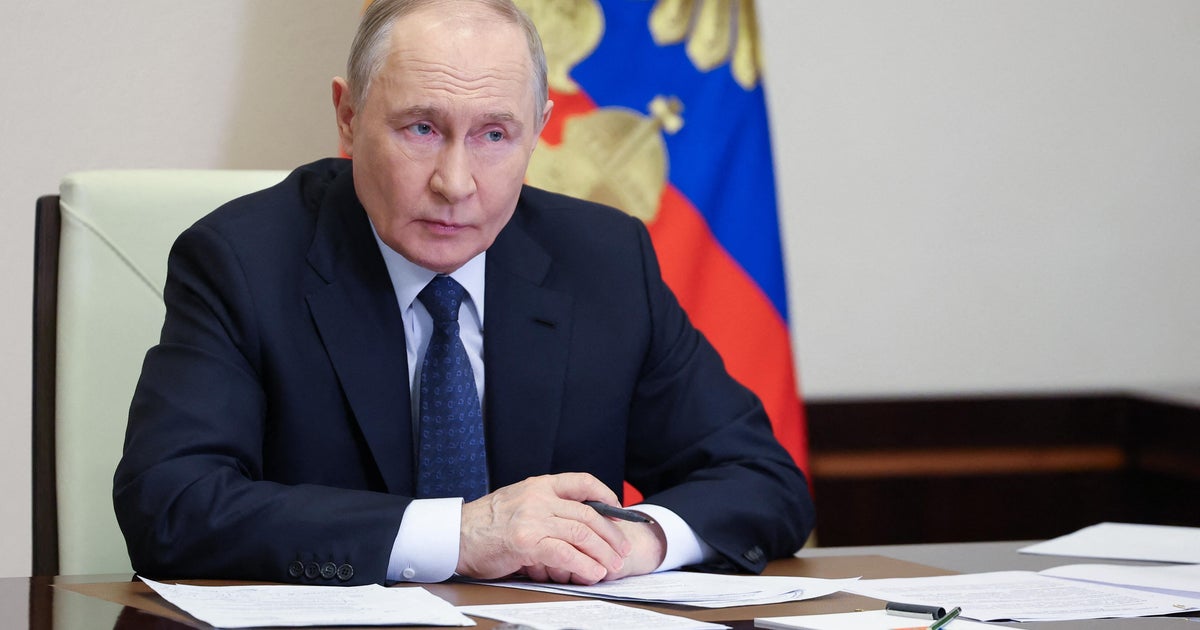
Russian President Vladimir Putin announced on Thursday that Russian forces would observe a 32-hour ceasefire in Ukraine over the upcoming Orthodox Easter weekend. The declaration came in response to an earlier proposal from Ukrainian President Volodymyr Zelenskyy, who had called for a limited pause in certain military operations to honor the significant religious holiday celebrated by both nations. According to Putin’s decree, which was officially released through the Kremlin, Russian military forces are ordered to halt combat operations beginning at 4 p.m. on Saturday and continuing through the end of Sunday. This announcement marks yet another attempt to create a temporary break in hostilities during a conflict that has now stretched into its fifth devastating year, though questions remain about whether this ceasefire will prove any more effective than previous failed attempts.
The Original Proposal and Its Limitations
Earlier in the week, President Zelenskyy had put forward a more modest proposal than Putin’s eventual declaration. Rather than calling for a complete cessation of all military activities, Zelenskyy suggested that both sides agree to stop targeting each other’s critical energy infrastructure during the Easter holiday period. This narrower approach reflected the reality that comprehensive ceasefires have historically failed to hold in this conflict. Zelenskyy made his proposal through diplomatic channels involving the United States, which has been serving as a mediator in ongoing discussions between Russian and Ukrainian negotiating teams. The Ukrainian president’s focus on protecting energy infrastructure speaks to one of the war’s most devastating impacts on civilian populations—the repeated attacks on power generation and distribution facilities that have left millions without electricity, heating, and water during harsh winter months. By proposing this limited pause, Zelenskyy appeared to be seeking a realistic compromise that might actually be observed, rather than another sweeping ceasefire declaration that would be violated within hours.
History of Failed Ceasefires Casts Doubt
The announcement of this Easter ceasefire immediately raised questions about its potential effectiveness, given the troubling track record of previous attempts to pause the fighting. Putin had declared a similar unilateral ceasefire during last year’s Orthodox Easter celebration, ordering a 30-hour halt to military operations. However, that ceasefire quickly collapsed, with both Russian and Ukrainian forces accusing each other of violations almost immediately after it supposedly took effect. Artillery fire, drone strikes, and other military operations continued throughout what was meant to be a peaceful period, turning the ceasefire into little more than a public relations exercise. This pattern of announced ceasefires followed by continued fighting has become a frustrating recurring theme throughout the conflict, eroding trust between the parties and making international observers skeptical of any new declarations. The Kremlin’s statement accompanying this latest ceasefire order seemed to anticipate violations, specifically instructing Russian troops to “be prepared to counter any possible provocations by the enemy, as well as any aggressive actions.” This defensive language suggests that Russian military commanders expect Ukrainian forces might use the ceasefire period for tactical repositioning or even offensive operations, which could then be framed as justifying Russian “defensive” responses.
The Broader Context of Stalled Peace Efforts
This temporary Easter ceasefire announcement comes against a backdrop of largely unsuccessful diplomatic efforts to bring about a more lasting peace. Russia has effectively rejected a more substantial proposal made last year by the United States and Ukraine for a 30-day unconditional truce that would serve as a foundation for more comprehensive peace negotiations. Instead of accepting this stepping-stone approach, Moscow has insisted on pursuing a complete, comprehensive settlement all at once—a position that has effectively deadlocked the diplomatic process. The U.S.-led negotiations between Russian and Ukrainian delegations have made virtually no meaningful progress on the fundamental issues dividing the two nations, including territorial disputes, security guarantees, and Ukraine’s geopolitical alignment. Complicating matters further, Washington’s attention and diplomatic resources have increasingly shifted toward the escalating crisis in the Middle East, reducing the focus and pressure on the Ukraine situation. Meanwhile, despite these diplomatic discussions happening in various international forums, the brutal reality on the ground continues unchanged. Russian and Ukrainian military forces remain locked in intensive combat operations along an approximately 800-mile front line that stretches across eastern and southern Ukraine. This massive battlefield has seen trench warfare reminiscent of World War I, combined with modern drone technology and precision weaponry, creating a uniquely devastating form of conflict that grinds on regardless of diplomatic announcements.
No Immediate Ukrainian Response and Uncertain Prospects
As of the time of Putin’s announcement, there had been no immediate official reaction from Kyiv regarding whether Ukraine would reciprocate the ceasefire or honor its terms. This silence speaks volumes about the deep mistrust that has developed between the two sides after years of conflict and repeated broken promises. Ukrainian officials have learned through bitter experience to be skeptical of Russian declarations, particularly unilateral ones that Moscow can choose to interpret or enforce however it wishes. The Kremlin’s statement announcing the ceasefire claimed that “orders have been issued for this period to cease hostilities in all directions,” attempting to present the measure as comprehensive and genuine. The statement also expressed an expectation that “the Ukrainian side will follow the example of the Russian Federation,” framing Russia as taking the moral high ground by initiating the pause. However, this framing ignores the fundamental reality that Russia initiated the conflict through its invasion of Ukraine, making the idea of Ukraine needing to “follow Russia’s example” ring hollow to many international observers. Ukrainian military and political leaders face a genuine dilemma in responding to such ceasefire declarations: accepting and honoring them risks giving Russian forces time to resupply, reposition, and regroup without interference, while rejecting them creates an opportunity for Russian propaganda to portray Ukraine as the obstacle to peace.
The Human Cost and the Meaning of Easter
Beyond the military and diplomatic calculations, this Easter ceasefire announcement carries particular poignancy given the deep religious significance of the holiday for both Russian and Ukrainian populations. Orthodox Easter represents the most important celebration in the Eastern Orthodox Christian calendar, commemorating the resurrection of Jesus Christ and traditionally serving as a time of peace, reconciliation, and renewal. For the millions of civilians caught in the crossfire of this conflict, a genuine ceasefire—even one lasting only 32 hours—would provide a precious opportunity to observe religious services, gather with family members, and experience a brief respite from the constant threat of artillery strikes, missile attacks, and drone warfare. Churches throughout Ukraine have suffered enormous damage during the conflict, with many destroyed completely and others damaged to the point of being unusable. Religious communities on both sides of the conflict have pleaded repeatedly for humanitarian pauses that would allow basic observance of major religious holidays. The fact that previous ceasefires have failed so completely represents not just a military and diplomatic failure, but a profound human tragedy—the inability of leaders to provide even the most minimal peace during a season that emphasizes peace, forgiveness, and the triumph of hope over death. As this latest ceasefire takes effect (or fails to take effect), the ultimate measure of its success will not be found in military advantage or diplomatic positioning, but in whether ordinary people in Ukrainian cities and villages can spend Easter Sunday with their families without fear of sudden violence, and whether soldiers on both sides can have even one day to reflect on the senseless destruction of a war that has claimed hundreds of thousands of lives and shows no signs of ending.