


Tragedy in the Sierra Nevada: Understanding the Fatal Avalanche Near Lake Tahoe
Investigation Underway After Deadly Backcountry Skiing Disaster
A devastating avalanche near Lake Tahoe, California has claimed the lives of eight backcountry skiers, with one person still missing and six others rescued after a harrowing ordeal. The tragedy has prompted authorities to investigate why the skiing group and their professional guides decided to continue their three-day backcountry expedition despite multiple avalanche warnings issued days before the disaster struck. Nevada County Sheriff Shannan Moon has confirmed that officials are actively working with the guide company to understand the decision-making process that led to the group remaining in the backcountry despite increasingly dangerous conditions. “Lots of forecasts on this storm. Those are the decisions that the guide company had clearly made. We’re still in conversations with them on the decision factors,” Sheriff Moon explained. This incident raises critical questions about risk assessment, professional judgment, and the responsibility of guide companies when mother nature issues clear warnings about life-threatening conditions in mountain environments.
The Perfect Storm: Extreme Weather Creates Deadly Conditions
The group of fifteen people—eleven skiers and four guides—found themselves caught in a catastrophic situation as they were returning from their backcountry skiing adventure. They were navigating through terrain in the Castle Peak area, located approximately ten miles north of Lake Tahoe, when disaster struck. The timing couldn’t have been worse, as they were traveling during a powerful winter storm system that had already dumped an incredible seven feet of snow on the Sierra Nevada mountains. The storm wasn’t just bringing heavy snowfall; it was also lashing the mountain peaks with sustained winds reaching speeds of 60 miles per hour. These extreme weather conditions created the perfect recipe for avalanche danger—fresh, heavy snowfall combined with strong winds that can load unstable slopes with wind-deposited snow, creating massive slabs that can release with devastating consequences. Weather conditions of this magnitude don’t just present challenges for safe travel; they fundamentally transform the mountain environment into a life-threatening landscape where even experienced backcountry travelers can find themselves in peril within seconds.
Clear Warnings Issued Days Before the Tragedy
What makes this tragedy particularly troubling is that avalanche forecasters had provided multiple, increasingly urgent warnings about the dangerous conditions developing in the backcountry. The Sierra Avalanche Center first issued an avalanche watch on Sunday, two full days before the fatal incident occurred. That initial watch specifically warned that “very dangerous avalanche conditions could occur in the backcountry” throughout a region that included the greater Lake Tahoe area where the group was traveling. The advisory wasn’t vague or uncertain—it clearly stated that “HIGH avalanche danger is anticipated in the backcountry Monday evening, lasting through Tuesday night, and possibly into Wednesday.” Then, on the morning of February 17th, the very day the avalanche would claim eight lives, forecasters escalated their warning by issuing an avalanche warning that extended through Friday. This warning was even more explicit, stating that “HIGH avalanche danger exists in the backcountry” and that “large” avalanches were expected across backcountry terrain. These weren’t subtle hints or minor cautions—these were clear, professional assessments from avalanche experts telling anyone in the backcountry that conditions were extremely dangerous and that large avalanches were not just possible, but expected.
The Avalanche Strike and Desperate Survival
The avalanche itself struck with the terrifying speed and power that makes these natural disasters so deadly. Captain Russel Greene of the Nevada County Sheriff’s Office described the moment of impact: “Someone saw the avalanche, yelled ‘avalanche!’ and it overtook them rather quickly.” Despite the warning shout, the group had virtually no time to react or escape. Sheriff Moon described the scale of the avalanche as massive—a slab of snow roughly the size of a football field broke loose from the mountain and came crashing down upon the skiers below. In avalanche terminology, this would be classified as a large slab avalanche, one of the most dangerous types because of the enormous volume of snow involved and the devastating force it carries as it accelerates down the mountainside. Six members of the party somehow managed to survive the initial impact and burial by taking refuge in trees, a desperate survival strategy that likely saved their lives as the massive wall of snow swept past them. These survivors were eventually rescued by search teams, though the conditions they endured while waiting for help—buried in snow, in freezing temperatures, during an ongoing winter storm—must have been absolutely terrifying.
Heroic but Hazardous Rescue Efforts
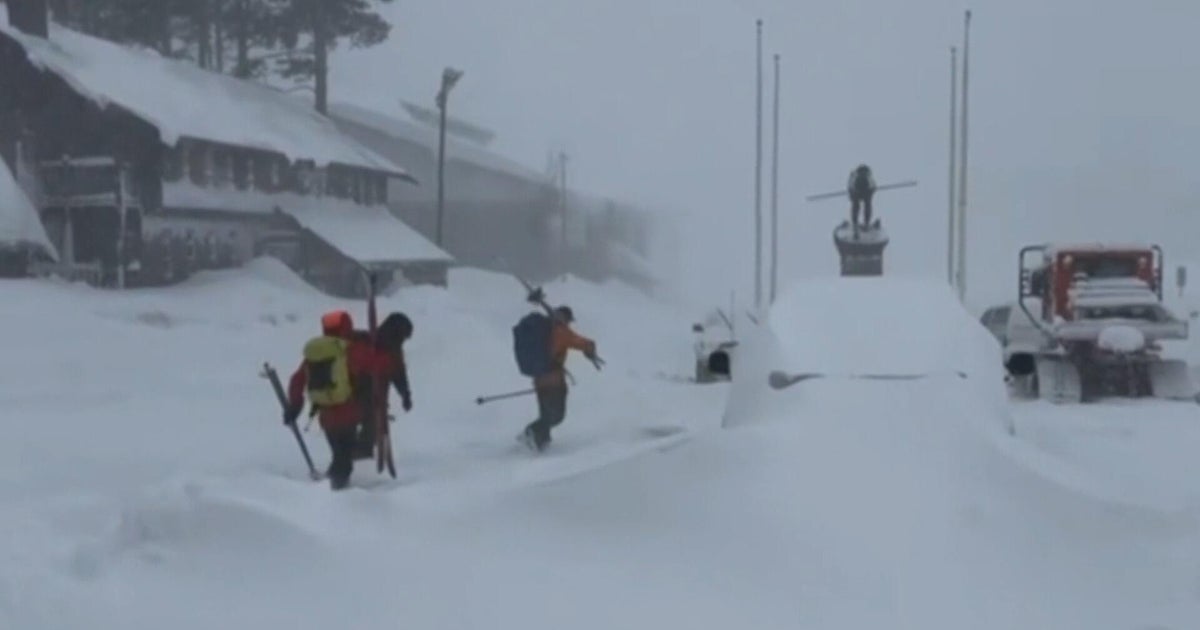
The rescue and recovery operations following the avalanche have presented enormous challenges for emergency personnel working in some of the most dangerous conditions imaginable. Rescue crews have been battling the same treacherous weather conditions that contributed to the avalanche in the first place—blinding snowfall that reduces visibility to nearly zero, and powerful winds that make helicopter operations impossible and ground travel extremely difficult. The Nevada County Sheriff’s Office has been forthright about the limitations they face, acknowledging that they must wait for weather conditions to improve before they can safely recover the victims who remain buried in the snow. The continued avalanche threat means that sending rescue teams into the area could result in additional fatalities, as the same unstable snow conditions that caused the first avalanche persist throughout the region. This creates a heartbreaking situation where the families of the victims must wait, knowing their loved ones are out there but understanding that attempting an immediate recovery could cost more lives. Recovery operations in avalanche terrain always involve this terrible calculus—balancing the urgent desire to bring victims home against the very real risk of creating more victims among the rescuers.
Lessons and Questions for the Backcountry Community
This tragedy will undoubtedly spark important conversations throughout the backcountry skiing community about decision-making, professional responsibility, and the culture surrounding risk in mountain sports. The central question that authorities are investigating—why did this group continue their trip after clear avalanche warnings were issued—is one that has profound implications for guide services, backcountry education, and the outdoor recreation industry as a whole. Professional mountain guides hold their clients’ lives in their hands, and with that responsibility comes the obligation to make conservative decisions when conditions deteriorate, even when those decisions might disappoint clients who have traveled long distances and paid significant sums for a backcountry experience. The investigation into the guide company’s decision-making process will likely examine whether there were commercial pressures to continue the trip, whether alternative plans were considered, and whether clients were fully informed about the risks they were undertaking. Beyond the specific circumstances of this incident, the broader backcountry community must grapple with the reality that even with excellent avalanche forecasting, proper equipment, and professional guides, the mountains remain an environment where nature ultimately holds all the cards. The seven feet of snow and 60 mph winds that created these deadly conditions serve as a stark reminder that there are times when the only safe decision is to turn around, postpone the adventure, and wait for conditions to improve—no matter how disappointing that might be in the moment. As search teams continue their dangerous work and families grieve those who were lost, this tragedy stands as a somber reminder of both the breathtaking beauty and the unforgiving power of the winter mountains.