


Afroman Wins Defamation Case: A Victory for Artistic Freedom and Free Speech
The Courtroom Victory That Made Headlines
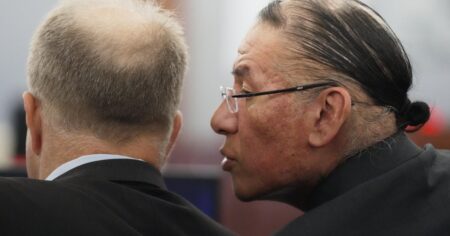
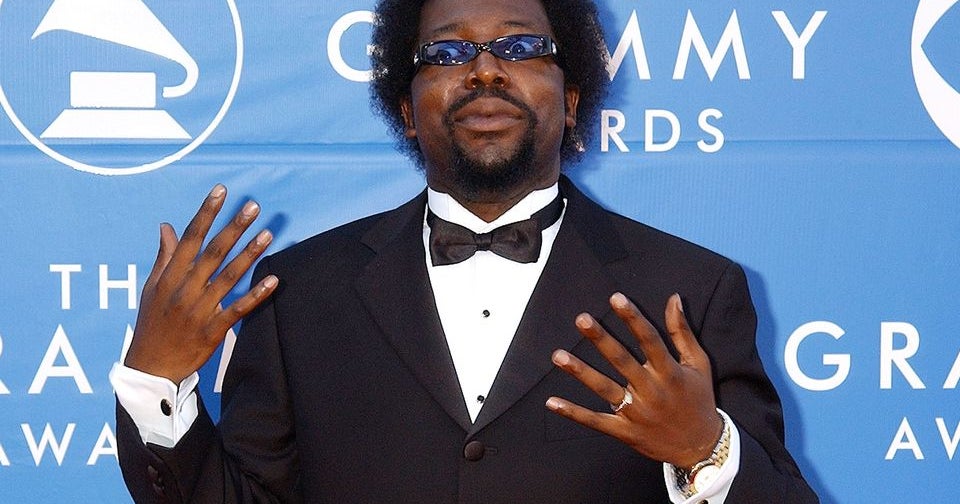
In a landmark decision that has sent ripples through discussions about artistic expression and police accountability, Grammy-nominated rapper Afroman emerged victorious in a defamation lawsuit that tested the boundaries of parody and social commentary in America. The 51-year-old artist, whose real name is Joseph Foreman, was sued by seven Ohio sheriff’s deputies who took issue with music videos he created using home security footage from a controversial raid on his property. The deputies collectively sought nearly $4 million in damages, claiming that Afroman’s creative works had subjected them to public harassment and personal distress. However, after hearing testimony from both sides, the jury sided entirely with the rapper, finding no merit in any of the plaintiffs’ claims. The emotional victory was celebrated by Afroman outside the courthouse on Wednesday evening, where he excitedly proclaimed to supporters and cameras: “We did it, America! Yeah, we did it! Freedom of speech! Right on! Right on!” The verdict represented not just a personal win for the artist but also affirmed the constitutional protections that allow creators to critique public officials and comment on matters of public concern, even when that criticism is harsh, satirical, or uncomfortable for those being scrutinized.
The Raid That Sparked Controversy and Creative Response
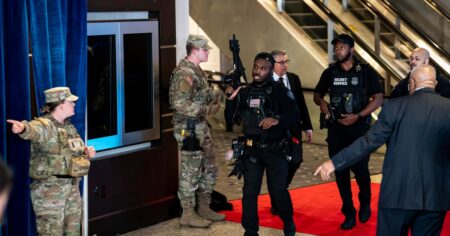
The origins of this legal battle trace back to 2022, when Adams County deputies executed a search warrant at Afroman’s Winchester, Ohio home, located approximately 50 miles outside Cincinnati. The warrant, according to official records, was issued as part of an investigation into alleged drug activity and kidnapping. Afroman was not present during the search, but his wife was home and recorded portions of the police action on her phone. Additionally, the home’s security system captured extensive footage of the raid, showing rifle-wielding officers breaking down the door and conducting what appeared to be an aggressive search of the property. The videos revealed deputies searching through the rapper’s shoes and suit pockets, examining various rooms, and at one point, lingering near a lemon pound cake on the kitchen table—a detail that would later inspire one of Afroman’s song titles. Notably, no charges were ever filed against Afroman following the raid. The rapper maintained that the entire operation was a mistake and that his family suffered significant trauma from the experience. He testified that his children, who were 10 and 12 years old at the time, were deeply affected by the incident. Beyond the psychological impact, Afroman’s property sustained physical damage, including a broken gate and front door that required repair.
Turning Trauma Into Art: The Music Videos That Sparked the Lawsuit
Following the raid, Afroman did what he does best—he channeled his frustration, anger, and sense of injustice into his art. Using the security footage captured during the search, the rapper created several music videos that went viral, accumulating more than 3 million views on YouTube. These weren’t subtle artistic statements; they were bold, confrontational pieces that directly mocked the deputies involved in the raid. One track, titled “Will You Help Me Repair My Door?” featured footage showing an armed officer standing next to the famous lemon pound cake, with lyrics that addressed the police directly: “Did you find what you were looking for/ Would you like a slice of lemon pound cake/ You can take as much as you want to take/ There must be a big mistake.” The video employed slow-motion effects and strategic editing to highlight what Afroman perceived as the absurdity of the situation. Another song featured the rapper questioning the justification for the raid with lines like “The warrant said, ‘Narcotics and kidnapping’/ Are you kidding? I make my money rapping,” and “You crooked cops need to stop it/ There are no kidnapping victims in my suit pockets,” accompanied by footage of officers searching his closet. The videos also addressed the serious allegation that $400 went missing during the raid, with Afroman explicitly calling the deputies involved “crooked cops.” He testified in court that “Police officers shouldn’t be stealing civilians’ money” and characterized the entire situation as “an outrage.” The rapper argued that he created these diss tracks not just to express his anger but also to raise money to cover the damages from the raid. His defense lawyer emphasized that the videos constituted protected speech and legitimate social commentary on the actions of public officials.
The Deputies’ Case: Claims of Harassment and Emotional Distress
The seven deputies who filed the lawsuit argued that Afroman’s videos went beyond acceptable criticism and crossed into defamatory territory, causing them significant personal and professional harm. During their testimony, they painted a picture of individuals whose lives had been upended by their sudden viral fame. They described being publicly harassed, recognized in their communities, and ridiculed because of the widespread circulation of the videos. The emotional testimony revealed the human cost they believed they had suffered. Sergeant Randy Walters shared particularly poignant testimony about how his child had been hazed at school over Afroman’s posts, coming home in tears because of the bullying. Deputy Lisa Phillips testified that the rapper had created what she characterized as a “derogatory” music video that questioned her gender and sexuality—claims that she found deeply offensive and harmful to her reputation. In a passionate statement from the witness stand, Walters asked, “Where in the world is it OK to make something up for fun that’s damaging to others when you know for sure it’s an absolute lie?” Robert Klingler, the attorney representing the deputies, argued forcefully that Afroman had deliberately lied about “these seven brave deputy sheriffs” for three years, using his platform to spread falsehoods that damaged their reputations. Klingler acknowledged that the rapper might have felt wronged by the search warrant execution but argued that such feelings didn’t justify “telling intentional lies designed to hurt people.” The deputies’ legal team sought to distinguish between legitimate criticism and what they characterized as malicious fabrications intended solely to harm their clients’ personal and professional lives.
Free Speech Versus Reputation: The Legal Battle’s Core Questions
At the heart of this case was a fundamental tension in American law: the balance between the First Amendment’s protection of free speech and individuals’ rights to protect their reputations from defamation. Afroman, appearing in court wearing a patriotic red, white, and blue American flag suit that underscored his constitutional defense, argued that his videos were protected artistic expression and social commentary. His defense lawyer, David Osborne, made a compelling argument during closing statements, telling the jury that “No reasonable person would expect a police officer not to be criticized. They’ve been called names before.” Osborne’s strategy emphasized that public officials, particularly law enforcement officers who exercise significant power over citizens, must accept a higher degree of criticism than private individuals. The defense also pointed out that it’s common practice for artists engaged in social commentary to use exaggeration, satire, and hyperbole to make their points—techniques that have been recognized as legitimate forms of protected speech. The case examined whether Afroman’s characterizations of the deputies were statements of fact (which could be defamatory if false) or expressions of opinion (which receive broader First Amendment protection). The defense argued that reasonable viewers would understand the videos as artistic interpretations of events rather than objective documentaries. Furthermore, Afroman maintained that he had every right to share what had actually happened in his home with his friends and fans, especially given that no charges resulted from the raid. He testified, “The whole raid was a mistake. All of this is their fault. If they hadn’t have wrongly raided my house, there would be no lawsuit. I would not know their names. They wouldn’t be on my home surveillance system, and there would be no songs, nothing.”
The Verdict and Its Broader Implications
When Judge Jonathan Hein read the verdict—”In all circumstances, the jury finds in favor of the defendant; no plaintiff verdict prevailed”—the courtroom witnessed an emotional moment as Afroman reportedly broke down in tears. The complete victory meant that the jury had rejected all claims from all seven deputies, finding that Afroman’s videos did not constitute defamation under the law. This outcome carries significant implications that extend far beyond this individual case. It reinforces the principle that public officials, particularly law enforcement officers, must tolerate robust criticism of their official actions, even when that criticism is uncomfortable, unflattering, or delivered through satirical means. The verdict affirms that artists can use actual footage and their creative talents to comment on matters of public concern without facing crippling financial penalties, provided their work falls within the bounds of protected speech. For Afroman, known primarily for his breakout 2000 hit “Because I Got High,” the victory represents vindication not just in legal terms but also as an affirmation of his right to process his experience through his art. The case highlights ongoing debates about police accountability, the power dynamics between law enforcement and civilians, and the role of social media in amplifying criticism of public officials. It also demonstrates how modern technology—home security systems and smartphone recordings—has democratized the documentation of police actions, giving ordinary citizens tools to hold authorities accountable. While the deputies may genuinely feel that they suffered harm from the viral videos, the jury’s decision suggests that in the eyes of the law, the public interest in allowing criticism of law enforcement actions outweighs the reputational concerns of individual officers. As Afroman shared clips of his courthouse celebration on social media, the case stands as a reminder that America’s commitment to free speech sometimes protects expression that makes us uncomfortable—and that in a democracy, the ability to criticize those who wield power remains a cornerstone of freedom.