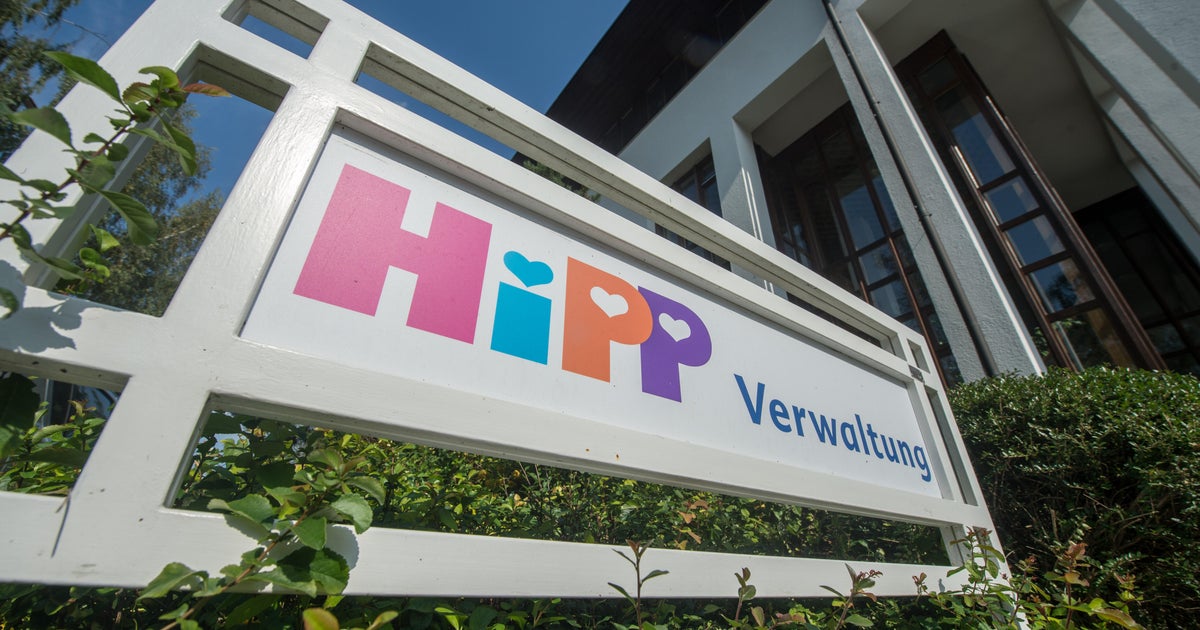

Austrian Baby Food Recall: HiPP Takes Precautionary Action After Rat Poison Discovery
The Disturbing Discovery That Prompted Immediate Action
In a deeply concerning incident that has sent shockwaves through parents and caregivers across Europe, the well-known Dutch baby food manufacturer HiPP has initiated a comprehensive recall of its baby food products sold in Austrian supermarkets. The alarm was raised when a single jar of baby food tested positive for rat poison, a discovery that has prompted authorities to investigate what appears to be a case of product tampering rather than a manufacturing error. Fortunately, no child consumed the contaminated product, preventing what could have been a tragic outcome. The incident serves as a sobering reminder of the vulnerabilities in our food supply chain and the importance of vigilant consumer awareness, particularly when it comes to products designed for our most vulnerable population—infants and young children.
The contaminated product was identified as one of HiPP’s 190-gram jars containing a carrot and potato blend, specifically formulated for babies as young as five months old. These jars were distributed exclusively through Austria’s SPAR supermarket chain, which encompasses various store formats including standard SPAR locations, EUROSPAR, INTERSPAR, and Maximarkt outlets throughout the country. The discovery was made possible thanks to an observant customer in Eisenstadt, a city in eastern Austria, who noticed something wasn’t quite right about the product they had purchased and took the appropriate step of reporting their concerns to authorities.
Red Flags That Prevented a Potential Tragedy
What makes this case particularly noteworthy is the vigilance displayed by the customer who first identified the problem. According to the Austrian Agency for Health and Food Safety, which released a comprehensive statement about the incident in coordination with Burgenland police, the suspicious jar exhibited several telltale signs that something was amiss. The lid showed visible damage and appeared to have been previously opened and then resealed—a major warning sign that should alert any consumer to potential tampering. Additionally, the contents emitted a spoiled odor, another clear indication that the product was not in its intended condition. These obvious signs of tampering likely saved a child from consuming the poisoned contents, highlighting the critical importance of parents and caregivers carefully inspecting baby food products before use.
The timing of the discovery and subsequent testing proved fortunate. The sample tested positive for rat poison on Saturday, and authorities moved swiftly to alert the public and coordinate with HiPP to implement protective measures. This rapid response demonstrates the effectiveness of food safety monitoring systems when consumers, retailers, manufacturers, and regulatory agencies work together seamlessly. The incident also underscores why parents should never ignore their instincts—if something looks, smells, or seems wrong with a food product, especially one intended for infants, it’s always better to err on the side of caution and report concerns to the appropriate authorities or return the product to the store.
The Company’s Comprehensive Response and Safety Measures
In response to this alarming discovery, HiPP has taken decisive and commendable action by implementing a precautionary recall that extends far beyond just the specific product type that was contaminated. Rather than limiting the recall to carrot and potato jars, the company has chosen to recall all of its baby food jars sold through the SPAR supermarket network throughout Austria. This expansive approach reflects a priority on consumer safety over potential financial losses and demonstrates corporate responsibility in action. The company is making the return process as convenient as possible for customers, offering full refunds without requiring receipts—removing any potential barriers that might discourage parents from participating in the recall.
In their official statement, HiPP acknowledged that they cannot definitively rule out the possibility that the poison was introduced through external contamination, essentially confirming that this appears to be a case of deliberate product tampering rather than a failure in their manufacturing processes. While additional details were not immediately available as of Sunday when the story broke, the company’s transparent communication and swift action have been appropriate first steps in managing this crisis. The investigation into exactly how, when, and where the tampering occurred continues, with authorities working to determine whether this was an isolated incident or part of a broader threat to public safety. The company’s decades-long reputation for producing quality baby nutrition products now faces a test of how well it manages this crisis and reassures consumers about the safety of its products going forward.
The Wider Investigation Across Multiple Countries
The investigation into this troubling incident has expanded beyond Austria’s borders, with authorities in Germany, Slovakia, and the Czech Republic also launching their own inquiries. This international response reflects both the interconnected nature of European food distribution networks and the serious concern about whether this might be an isolated incident or potentially part of a coordinated tampering effort affecting multiple locations. The cross-border investigation also makes sense given that HiPP is a major international brand with distribution throughout Europe, and the same products available in Austrian SPAR stores may have been distributed through various other retailers in neighboring countries.
The involvement of multiple countries’ food safety agencies demonstrates the robust systems in place within the European Union for responding to food safety threats that could affect populations across national boundaries. These coordinated investigations will likely examine distribution records, retail security footage, and any similar reports from other locations to determine the scope of the threat. Authorities will be working to establish a timeline of when the tampering might have occurred—whether it happened at a distribution center, during transport, at the retail location, or possibly even after the product was placed on store shelves. Each possibility requires different investigative approaches and carries different implications for how retailers and manufacturers might need to adjust their security protocols going forward.
Understanding the Serious Health Risks of Rat Poison Exposure
The Austrian health agency provided important information about what could have happened if a child had consumed the contaminated baby food, emphasizing the serious health consequences of rat poison exposure. Rat poison works by inhibiting the blood’s ability to clot properly, which can lead to a range of dangerous symptoms including bleeding gums, nosebleeds, and bruising. However, what makes rat poison particularly insidious and dangerous is that symptoms may not appear immediately. According to health officials, there can be a delayed onset, with symptoms appearing anywhere from two to five days after consumption, making it difficult to immediately connect the symptoms with their cause.
For infants and young children, who are significantly more vulnerable than adults due to their small body size and developing systems, even a small amount of rat poison could potentially be fatal. The delayed symptom onset means that parents might not realize their child had been poisoned until serious internal bleeding had already begun. This is precisely why the recall is so critical and why any parent who may have purchased HiPP baby food from SPAR stores in Austria should immediately check their supplies and discard any jars, even if they appear unopened and undamaged. The potential consequences are simply too severe to take any chances, and the inconvenience of discarding unused baby food is insignificant compared to the risk of a child suffering from poisoning.
Important Lessons and Steps for Parents Moving Forward
This frightening incident serves as an important reminder for all parents and caregivers about the need for vigilance when it comes to food products intended for babies and young children. There are several practical steps that every parent should incorporate into their routine when purchasing and using baby food products. First, always carefully inspect packaging before purchase and before use—look for any signs of tampering, including damaged seals, lids that appear to have been previously opened, dents or punctures in containers, or anything else that seems out of the ordinary. Second, check expiration dates and never use products that have passed their use-by dates. Third, when opening baby food for the first time, listen for the characteristic “pop” sound that indicates a proper seal, and always smell the contents before serving—any unusual or off-putting odor should be an immediate warning sign.
Beyond these individual precautions, this incident also highlights the ongoing need for retailers and manufacturers to continually evaluate and strengthen their security measures to prevent product tampering. While it’s impossible to create a completely tamper-proof system, there are technologies and protocols available that can make tampering more difficult and easier to detect. For parents dealing with the current situation in Austria, the advice is clear: return any HiPP baby food jars purchased from SPAR stores and take advantage of the no-receipt-required refund policy. For parents elsewhere, while there’s no immediate indication of danger outside the affected area, it’s always worth exercising extra caution and staying informed about any updates as the investigation continues. The safety of our children depends on the combined efforts of vigilant parents, responsible corporations, effective regulatory agencies, and robust food safety systems working together to protect our most vulnerable consumers.