
The Thrilling Tradition of Reindeer Racing in Finland’s Arctic North
A Spectacular Winter Gathering in the Remote Arctic
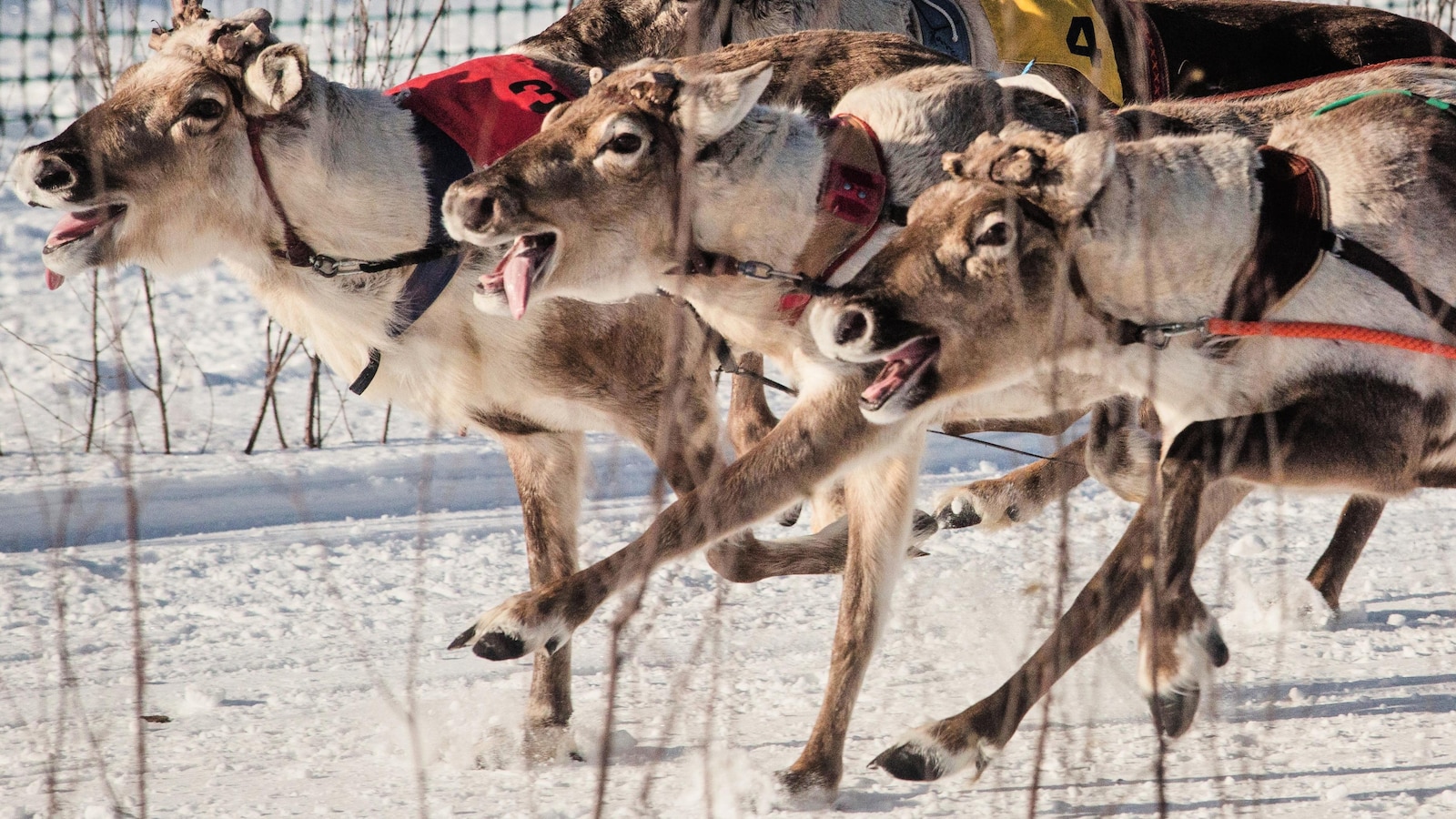
Deep in the frozen wilderness of northern Finland, where winter temperatures plunge well below freezing and the landscape transforms into an endless white canvas, an extraordinary tradition continues to captivate audiences from around the world. This past weekend, the small town of Salla, located just 164 miles northeast of Oulu and nestled near the Russian border, hosted its annual Reindeer Cup—a spectacular event that drew approximately 1,000 enthusiastic spectators despite the brutal Arctic conditions and remote location. What makes this gathering truly remarkable is not just the extreme weather that attendees braved, but the international appeal of this uniquely Nordic competition. Fans traveled from across Europe, including Italy, Norway, Germany, and France, all converging on this remote Finnish town to witness one of Scandinavia’s most cherished cultural traditions. The scene was nothing short of magical: majestic reindeer galloping powerfully across snow-covered tracks, their handlers gripping tight as they were pulled along on skis, all competing for the glory of crossing the finish line first. This annual spectacle represents far more than just a sporting event—it’s a living connection to Finland’s cultural heritage and the traditional way of life that has sustained communities in these harsh northern territories for generations.
Deep Roots in Scandinavian Heritage and Sami Culture
Reindeer racing in Salla isn’t a recent tourism attraction or manufactured entertainment—it’s a genuine tradition with roots stretching back to the 1950s, deeply intertwined with the practical realities of life in northern Scandinavia. According to Lasse Aatsinki, head of the Salla Reindeer Cup, the tradition emerged organically from the daily lives of men who spent entire winters working in the forests during an era before modern conveniences like snowmobiles existed. As late winter approached and the reindeer reached peak physical condition after months of work, these forest workers began organizing informal races, testing which animals were the fastest and strongest. This pastime gradually evolved from casual competition into the organized, regulated sporting event that draws international crowds today. The significance of reindeer husbandry extends even deeper when considering the Sami Indigenous people of northern Scandinavia, for whom these animals have been central to their way of life, culture, and survival for countless generations. For the Sami, reindeer represent far more than livestock or racing competitors—they are integral to their identity, providing food, clothing, transportation, and economic sustenance. The continuation of reindeer racing in modern Finland serves as a bridge between past and present, honoring traditional knowledge while adapting to contemporary sporting standards. It’s a celebration that keeps ancient skills alive while creating new memories for each generation that gathers to watch these magnificent animals compete.
The Science and Art Behind Competitive Reindeer Racing
What might appear to casual observers as simply releasing reindeer to run down a track actually involves considerable expertise, careful training, and deep understanding of animal behavior. Today’s reindeer racing has evolved into a sophisticated sport with specific regulations, qualification standards, and training protocols that rival any professional athletic competition. The premier category at the Salla Reindeer Cup is the “hot series,” an elite division where only the most exceptional reindeer can compete. To qualify for this prestigious race, a reindeer must complete the kilometer-long track in 1 minute and 19 seconds or less—a demanding standard that separates the merely fast from the truly exceptional. According to Aatsinki, success in reindeer racing depends on far more than just physical speed. The mental and emotional characteristics of each animal play crucial roles in their competitive performance. A championship reindeer must possess the temperament to handle intense stimulation—the roar of crowds, the presence of other competing animals, sudden movements, and loud noises—all while maintaining focus on the race ahead. Each owner develops their own training methods and techniques, knowledge that’s closely guarded and passed down through families like precious secrets. As Aatsinki colorfully noted, these tricks are “usually kept under the fur hat,” with every owner cultivating their unique approach to bringing out the best in their animals. This combination of traditional wisdom and individual innovation creates a fascinating competitive landscape where success requires understanding not just the mechanics of speed, but the complex psychology of these remarkable Arctic animals.
Race Day: Community, Competition, and Cultural Celebration
The atmosphere at the Salla Reindeer Cup perfectly captures the spirit of Finnish culture—unpretentious, resilient, and deeply community-oriented. As the reindeer thunder down the final stretch of the snow-packed track, spectators bundle against the bitter cold erupt in enthusiastic Finnish cheers of “hyvä, hyvä” (good, good) and “mene, mene” (go, go), their voices carrying across the frozen landscape in support of their favorite competitors. Between races, attendees ward off the Arctic chill with traditional comfort foods that are as much a part of the event as the racing itself. Steaming bowls of reindeer soup provide warming sustenance—a fitting menu choice that reflects the integral role these animals play in northern Finnish cuisine and survival. Local specialty pastries called kampanisu, traditional to the Salla region, offer sweet energy to spectators who spend hours outdoors in temperatures that would send most people fleeing for heated shelter. This combination of sporting competition and cultural celebration creates an experience that transcends mere entertainment. It’s a gathering that reinforces community bonds, welcomes international visitors into Finnish traditions, and provides a annual ritual that marks the passing of seasons in this remote Arctic region. For locals, the Reindeer Cup represents continuity with their heritage; for international visitors, it offers an authentic glimpse into a way of life vastly different from their own experiences, creating cross-cultural connections in one of Europe’s most remote locations.
Pompom: An Unlikely Champion’s Victory
Sunday’s competition culminated in final rounds that determined the ultimate champions, and the winner of the premier race proved that appearances can indeed be deceiving. A reindeer named Pompom claimed the top prize, much to the pride of owner Hannu Krupula, who offered fascinating insights into what makes this particular animal exceptional. According to Krupula, Pompom possesses a rare combination of extraordinary speed and intelligence—qualities that don’t always appear together in racing reindeer. However, Pompom has one characteristic that might cause those unfamiliar with the animal to underestimate its capabilities: it isn’t particularly attractive by conventional reindeer standards. Krupula explained with evident affection that people looking at Pompom might initially assume the animal is poorly cared for or undernourished, when in fact the opposite is true—Pompom eats well and receives excellent care. Its lean, unimpressive appearance is simply part of its natural build, not a reflection of health or treatment. This physical characteristic that might be considered a weakness in show competitions becomes irrelevant once Pompom begins racing, as speed and intelligence quickly prove far more valuable than aesthetic appeal. Krupula’s description of his champion as “a rare individual” speaks to the unique bond between reindeer owners and their animals—a relationship built on mutual respect, careful observation, and deep understanding developed over countless hours of training and competition. Pompom’s victory serves as a perfect metaphor for the reindeer racing tradition itself: something that might seem simple or quaint at first glance reveals remarkable depth, complexity, and value upon closer examination.
Preserving Tradition in the Modern Arctic
As the competition concluded and the crowds began to disperse into the Arctic twilight, all the reindeer received their well-earned rewards—generous portions of lichen, their preferred delicacy—regardless of their finishing positions. This thoughtful gesture encapsulates the underlying values that make the Salla Reindeer Cup more than just a competition. While racing provides excitement and determines winners, the event ultimately celebrates the animals themselves and the cultural traditions they represent. In an era of increasing globalization and technological advancement, events like the Salla Reindeer Cup serve vital functions in preserving indigenous knowledge, traditional practices, and cultural identity. The fact that this competition continues to draw international audiences to one of Europe’s most remote locations demonstrates enduring human fascination with authentic cultural experiences and connections to traditional ways of life. For the local community, maintaining this tradition provides economic benefits through tourism while reinforcing cultural pride and intergenerational knowledge transfer. Young people in Salla and surrounding areas learn skills their ancestors practiced, creating living links to their heritage rather than relegating reindeer husbandry to museums or history books. As climate change increasingly impacts Arctic regions and modern life continues to evolve, traditions like reindeer racing become even more precious—tangible connections to sustainable relationships between humans and the natural environment that have sustained northern communities through countless harsh winters. The Salla Reindeer Cup proves that some traditions, rooted deeply in practical necessity and cultural identity, can successfully adapt to contemporary contexts while retaining their essential character and significance.