


Republicans Eye Dallas for Historic Midterm Convention as Texas Senate Race Heats Up
A First-Time Political Gathering Takes Shape
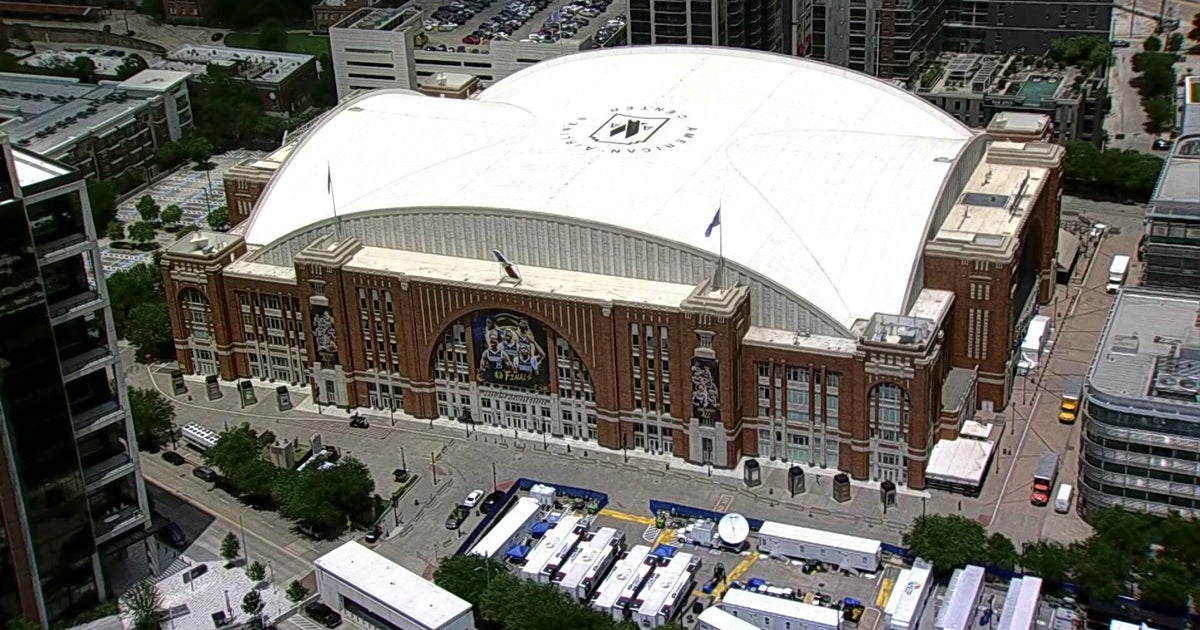
In an unprecedented move for American politics, the Republican National Committee is considering hosting the party’s very first midterm convention, and Dallas, Texas, has emerged as a potential host city. Late last month, RNC representatives conducted a walkthrough of the American Airlines Center, exploring whether the venue could accommodate what would be a groundbreaking political event. Dave Brown, who serves as the arena’s general manager, shared with CBS News Texas that his team provided comprehensive information about the facility’s capabilities, including detailed specifications and various production configurations that could work for a large-scale political gathering. The visit wasn’t just about checking out the space—RNC officials wanted to understand the venue’s availability during the late summer and early fall months, carefully reviewing the calendar to see when they might be able to slot in this historic convention. Brown noted that the AAC is no stranger to large crowds, regularly hosting concerts with as many as 20,000 attendees and having successfully managed corporate conventions that brought in approximately 16,000 people. The arena’s experience with major events makes it a strong contender for hosting what could become a pivotal moment in the Republican Party’s midterm election strategy.
Trump’s Influence Shapes the Convention Vision
The driving force behind this midterm convention concept comes directly from the top of the Republican Party’s power structure. Danielle Alvarez, serving as a senior adviser to the RNC, made it clear that this gathering isn’t just another political event—it’s a reflection of former President Donald Trump’s continued influence over the party’s direction and strategy. In her statement to CBS News Texas, Alvarez emphasized that “the upcoming Midterm Convention is happening because of President Trump’s leadership, vision, and unwavering commitment to the America First movement.” She went on to highlight Trump’s unique ability to energize supporters and bring people together around shared political goals, suggesting that his influence continues to generate momentum throughout the country even beyond his presidency. However, Alvarez was careful to manage expectations and tamp down on speculation, clarifying that despite media reports and public interest, no contracts have actually been signed yet. She stressed that any specific details about location or timing that have appeared in news coverage remain purely speculative at this point. This careful messaging suggests the RNC is still weighing its options and hasn’t committed to Dallas or any other location, though the site visit clearly indicates serious interest in making the American Airlines Center the venue for this historic gathering.
Texas Senate Race Becomes a Crucial Battleground
The potential selection of Dallas as the convention site isn’t random—it reflects the Republican Party’s recognition that Texas, long considered a reliably red state, now requires serious attention and resources. The spotlight has intensified on the Lone Star State as Democrats have rallied enthusiastically around their Senate nominee, state Representative James Talarico from Austin. Political analysts see this race as potentially significant, with Matthew Wilson, a Political Science Professor at Southern Methodist University, telling CBS News Texas that the Senate contest represents probably the Democrats’ strongest opportunity to win a statewide race in Texas. Wilson’s analysis suggests that Republican Party leadership understands the stakes involved and recognizes that Texas races, particularly the Senate seat, have become both competitive and strategically important. The decision to potentially hold a midterm convention in Dallas sends a clear message about where Republicans see vulnerabilities and opportunities. According to Wilson, “the fact that they’re looking at having this in Dallas, I think emphasizes the fact that they see the Texas Senate race, at least, and perhaps other Texas races, as both competitive and important.” The convention would serve multiple purposes—generating Republican enthusiasm and energy on a national scale while specifically targeting Texas voters and activists who will be crucial in determining the outcome of close races in the state.
Republican Primary Adds Complexity to Senate Strategy
Before Republicans can fully focus on the general election battle, they must first resolve their own internal competition for the Senate nomination. The primary race has created an intriguing dynamic, pitting four-term incumbent Senator John Cornyn against Attorney General Ken Paxton in a runoff election scheduled for May 26. This intra-party contest highlights divisions within Texas Republican ranks, with the more establishment-aligned Cornyn facing a challenge from Paxton, who has aligned himself closely with Trump’s brand of politics. The outcome of this runoff will significantly impact how Republicans approach the general election and could influence the messaging and strategy at any potential midterm convention. Cornyn’s long tenure and established relationships in Washington contrast with Paxton’s more combative style and closer ties to Trump’s base supporters. Whichever candidate emerges victorious will need to quickly unite the party and build momentum heading into what promises to be a competitive general election against Democrat James Talarico. The timing of the potential convention—sometime in late summer or early fall—would place it after this crucial runoff, allowing Republicans to rally around their chosen nominee and attempt to generate the enthusiasm that political experts believe will be essential for success in November.
Historical Patterns and Strategic Challenges
Republicans face an uphill battle that goes beyond just Texas, rooted in historical patterns that have consistently shaped American midterm elections. Political history shows a clear trend: the party controlling the White House typically loses congressional seats during midterm elections, as voters often use these contests to express dissatisfaction or seek balance in government. With President Trump’s polling numbers showing signs of weakness, Republican strategists recognize that the party needs to work actively to minimize potential losses in November rather than simply coasting on previous successes. Professor Wilson explained that the party’s challenge involves energizing their base supporters while also encouraging turnout among voters who may not consistently participate in every election but were motivated to support Trump in 2024. These so-called “lower propensity voters” could make the difference in close races, but they need reasons to show up at the polls. This is where the midterm convention concept becomes strategically valuable—it’s designed to “create some excitement and buzz in the Republican base surrounding the campaigns,” according to Wilson. The convention would provide an opportunity for prominent Republican figures to rally the faithful, share the party’s message, and remind supporters why their participation matters. In an era where political enthusiasm can fade quickly and voter attention spans are limited, creating a memorable event that generates media coverage and grassroots excitement could prove invaluable for Republicans hoping to maintain their strength in Texas and minimize losses nationally.
The Waiting Game Continues
As of now, the political world remains in suspense about when and where Republicans will ultimately decide to hold their historic midterm convention. The party has not announced a timeline for making this decision public, leaving political observers, media outlets, and Dallas civic leaders to speculate about the possibilities. The American Airlines Center remains a strong candidate given the RNC’s site visit and the venue’s proven capacity to handle large-scale events, but other cities and venues presumably remain in contention as party leaders weigh factors including logistics, symbolism, cost, and strategic advantage. The decision will likely consider not just the practical aspects of hosting thousands of attendees but also the political messaging that comes with the chosen location. Dallas offers the advantage of being in Texas, a state where Republicans need to demonstrate strength and commitment, while also being a major metropolitan area with excellent infrastructure and media access. Whatever location the RNC ultimately selects, the convention itself represents a significant departure from traditional midterm election strategies, reflecting both the unique political moment the country finds itself in and the ongoing influence of Donald Trump on Republican Party strategy and operations. As the May 26 runoff approaches and summer moves toward fall, Republicans will need to finalize their plans soon to allow adequate preparation time for what they clearly hope will be a momentum-building event that energizes supporters and helps the party navigate what could be challenging electoral conditions in November. For now, political watchers in Texas and across the country will keep their eyes on Dallas and wait for the RNC to make its final decision about this unprecedented midterm convention.