


Russell Brand Faces Additional Sexual Assault Charges in British Court
Comedian Enters Not Guilty Plea to New Allegations
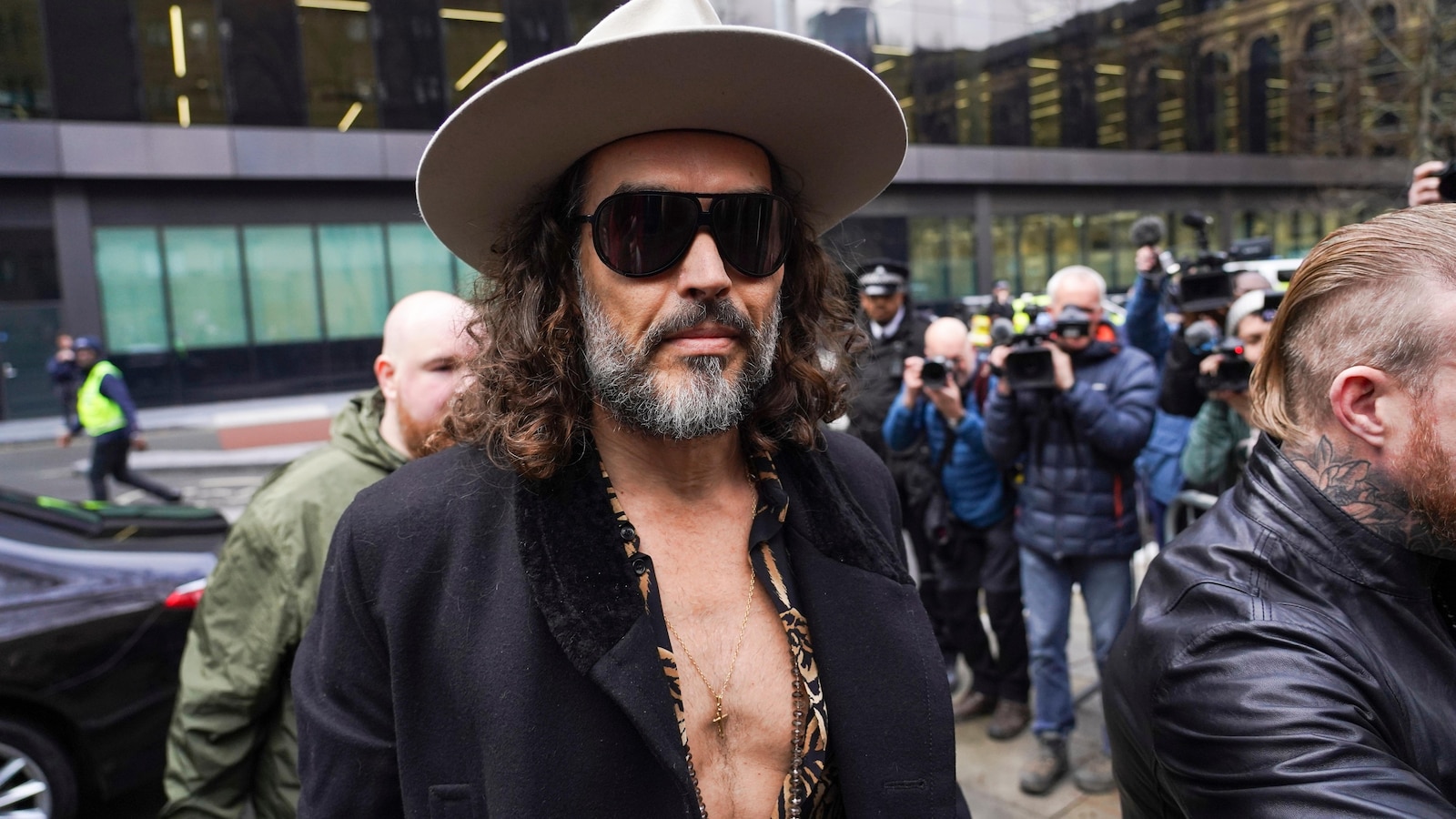
In a London courtroom on Tuesday, British comedian and actor Russell Brand stood before a judge to address serious new criminal charges that have been brought against him. The 50-year-old entertainer pleaded not guilty to additional counts of rape and sexual assault at Southwark Crown Court, marking another chapter in the legal troubles that have increasingly overshadowed his once-prominent entertainment career. These latest allegations reportedly stem from incidents that occurred in 2009, according to the Crown Prosecution Service, which is handling the case against the former mainstream media personality who has since retreated to alternative online platforms.
The new charges add to an already substantial legal burden that Brand is facing. These recent allegations join previous charges that were filed against him in April, creating a complex legal situation that will require extensive court proceedings to resolve. The seriousness of these accusations and Brand’s consistent denials set the stage for what promises to be a lengthy and closely watched legal battle in the British justice system.
Previous Charges and Timeline of Allegations
Before these latest charges emerged, Russell Brand was already navigating significant legal challenges. In April, prosecutors charged him with two counts of rape, two counts of sexual assault, and one count of indecent assault. These earlier charges involve four different women and span a considerable period, with the alleged offenses taking place between 1999 and 2005. The geographic locations of these earlier alleged incidents include both the English seaside town of Bournemouth and multiple locations in London, suggesting a pattern of alleged behavior across different settings and times.
Brand has maintained his innocence regarding all charges brought against him. Earlier this year, he appeared in a London court to formally enter not guilty pleas to the initial charges filed in April. His legal team is preparing for what is expected to be a substantial trial, currently scheduled to begin in June. Court officials have indicated that this trial is anticipated to last between four and five weeks, reflecting the complexity of the case and the number of alleged victims involved. The extended timeline suggests that prosecutors have gathered substantial evidence and witness testimony that will need to be presented and examined in detail.
The span of years covered by these allegations—from 1999 through 2009—represents a decade during which Brand’s career was evolving from a relatively unknown comedian to a mainstream entertainment figure. This timeline will likely be significant as the case proceeds, with investigators and prosecutors working to establish patterns and gather testimony from individuals who knew or worked with Brand during these periods.
From Mainstream Celebrity to Online Personality
Russell Brand’s career trajectory has been notable for its dramatic shifts and transformations. He first gained widespread recognition for his edgy, provocative stand-up comedy routines that often pushed boundaries and challenged social conventions. His style was characterized by risqué humor, rapid-fire delivery, and a willingness to discuss controversial topics. This approach earned him both devoted fans and sharp critics, but undeniably raised his profile in the British entertainment industry.
Brand’s success in stand-up comedy opened doors to acting opportunities, most notably his role in the 2010 comedy film “Get Him To The Greek,” where he played a rock star alongside Jonah Hill. He also appeared in other Hollywood productions and became a recognizable figure in both British and American entertainment circles. During this period, Brand was known not only for his professional work but also for his well-publicized struggles with substance abuse, including battles with both drugs and alcohol that he spoke about openly in interviews and in his comedy routines.
However, in recent years, Brand has largely withdrawn from mainstream media platforms and traditional entertainment venues. Instead, he has built a substantial following through online video content, particularly on platforms like YouTube. His content has shifted significantly from his earlier comedy work, now focusing on a mixture of wellness topics, spiritual discussions, and what many observers characterize as conspiracy theories. He has also become increasingly vocal about his religious faith and spiritual journey, presenting himself as someone who has undergone significant personal transformation from his earlier, more chaotic lifestyle.
The Shift to Alternative Media and Conspiracy Content
Brand’s migration to online platforms has allowed him to maintain a significant audience while operating outside the traditional media structures that once supported his career. His videos typically blend discussions of current events with alternative interpretations of mainstream news, often questioning official narratives and presenting information that aligns with conspiracy-minded thinking. This content has resonated with a particular segment of the online audience that is skeptical of establishment media and institutions.
His religious devotion has become a central theme in much of his recent content. Brand has spoken extensively about his spiritual beliefs and practices, presenting this aspect of his life as evidence of personal growth and transformation. This spiritual framework often intersects with his commentary on social and political issues, as he frames many of his arguments within a moral or spiritual context. For his supporters, this represents an authentic journey toward enlightenment and truth-telling; for his critics, it represents a problematic embrace of fringe ideas and unreliable information.
The wellness content that Brand produces covers topics ranging from meditation and mindfulness to alternative health practices and critiques of pharmaceutical industries. This positioning in the wellness space has helped him maintain relevance and build community among followers who share these interests and concerns. However, this same content has drawn criticism from those who argue that he promotes unverified claims and potentially harmful misinformation, particularly regarding health-related topics.
Legal Proceedings and What Lies Ahead
As Russell Brand faces these serious criminal charges, the British legal system will now undertake the process of examining the evidence and testimony related to the allegations. The Crown Prosecution Service, which brings criminal cases in England and Wales, evidently believes there is sufficient evidence to proceed with prosecuting Brand on multiple counts involving multiple alleged victims over a span of years. The decision to bring charges, particularly in cases involving historical allegations, typically indicates that prosecutors believe they can prove their case beyond a reasonable doubt.
The upcoming trial, scheduled for June and expected to last four to five weeks, will be a pivotal moment not only for Brand but also for the women who have come forward with allegations against him. Trials involving sexual assault and rape charges are often challenging for all parties involved, as they require detailed testimony about traumatic events and intensive cross-examination. The length of the scheduled trial suggests that there will be substantial evidence presented, likely including testimony from the alleged victims, possible witness accounts, and potentially physical or documentary evidence that prosecutors believe supports the charges.
Brand’s legal team will have the opportunity to challenge the prosecution’s evidence, present their own witnesses and evidence, and argue that the charges should not result in conviction. The not guilty pleas entered to both the original and new charges indicate that Brand intends to contest the allegations fully rather than seek any kind of plea arrangement. This sets up a scenario where a jury will ultimately need to evaluate competing accounts and determine what they believe occurred.
Broader Implications and Cultural Context
These charges against Russell Brand emerge within a broader cultural moment in which allegations of sexual misconduct by powerful figures in entertainment, media, and other industries have received increased attention and scrutiny. The movement that began with #MeToo has created an environment in which survivors of sexual assault feel more empowered to come forward with their experiences, even when those experiences occurred years or decades in the past. This cultural shift has led to numerous high-profile cases involving celebrities and other public figures facing allegations and, in some cases, criminal charges.
The case also raises questions about how public figures maintain their platforms and influence even when facing serious allegations. Brand’s continued presence on online platforms, where he can speak directly to his audience without traditional media gatekeepers, represents a relatively new phenomenon in how celebrities can maintain their careers and public presence despite controversy. His supporters point to the principle of “innocent until proven guilty” and argue that he should not be condemned before a trial has occurred. Critics counter that the seriousness and number of allegations warrant public concern and that platforms have a responsibility regarding who they allow to build audiences and generate revenue.
As the legal proceedings continue, the case will test both the British justice system’s handling of historical sexual assault allegations and the public’s ability to navigate the complex territory between supporting alleged victims, respecting legal processes, and holding powerful individuals accountable for their actions. The outcome of the trial, whatever it may be, will likely have implications beyond just Russell Brand himself, potentially influencing how similar cases are pursued and how the public understands issues of consent, power dynamics, and justice for survivors of sexual violence.