


Ukraine-Russia Conflict: Energy Truce Proposal Remains Unanswered Amid Continued Attacks
Russia’s Silence on U.S.-Backed Energy Ceasefire
Ukrainian President Volodymyr Zelenskyy revealed on Wednesday that Russia has yet to respond to a United States-backed proposal for an energy truce between the two warring nations. Instead of diplomatic engagement, Moscow has answered with increased military aggression, launching devastating drone and missile attacks across Ukrainian territory. The silence comes despite recent trilateral peace talks held in the United Arab Emirates involving representatives from the United States, Ukraine, and Russia. While all parties initially described these discussions as constructive and productive, they have failed to produce concrete breakthroughs on several critical issues, particularly regarding the protection of essential energy infrastructure. The proposed energy ceasefire would have mirrored a brief pause in attacks on power facilities that occurred at the end of January, offering temporary relief to millions of Ukrainian civilians who have suffered through one of the harshest winters in recent memory without adequate heating, electricity, and water supplies.
Following the most recent round of negotiations in Abu Dhabi last week, Zelenskyy explained that American officials had put forward a reasonable proposal for a temporary halt to attacks targeting energy infrastructure on both sides. However, speaking candidly on Thursday, the Ukrainian president made clear that Kyiv has received no formal response from Moscow regarding this potentially life-saving offer. “On the contrary, we’ve received a response in the form of drone and missile attacks,” Zelenskyy stated with evident frustration. “This suggests that they are not yet ready for the energy ceasefire proposed in Abu Dhabi by the American side.” This Russian reluctance to engage diplomatically has left millions of Ukrainian civilians vulnerable to continued attacks on the critical infrastructure they depend on for survival during the brutal winter months, raising serious questions about Moscow’s commitment to finding a peaceful resolution to the conflict.
Devastating Overnight Attacks Across Ukraine
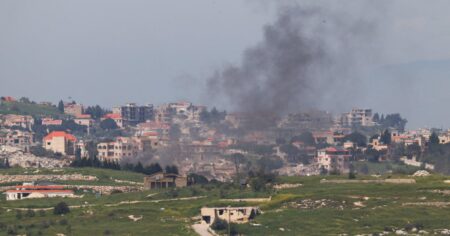
The reality of Russia’s continued military aggression became horrifyingly apparent through a massive overnight assault that targeted multiple Ukrainian cities and regions. According to Ukraine’s air force, Russian forces launched an overwhelming barrage consisting of 25 missiles and 219 drones into Ukrainian territory overnight. Ukrainian air defense systems managed to intercept and neutralize 16 missiles and 197 drones, demonstrating the effectiveness of Western-supplied defense systems, but the sheer volume of the attack meant that significant numbers still reached their targets. The impacts of nine missiles and 19 drones were reported across 13 different locations throughout the country, with the air force identifying the main targets as major population centers including Kyiv, Kharkiv, Dnipro, and Odesa—cities home to millions of Ukrainian civilians who have endured nearly four years of relentless attacks.
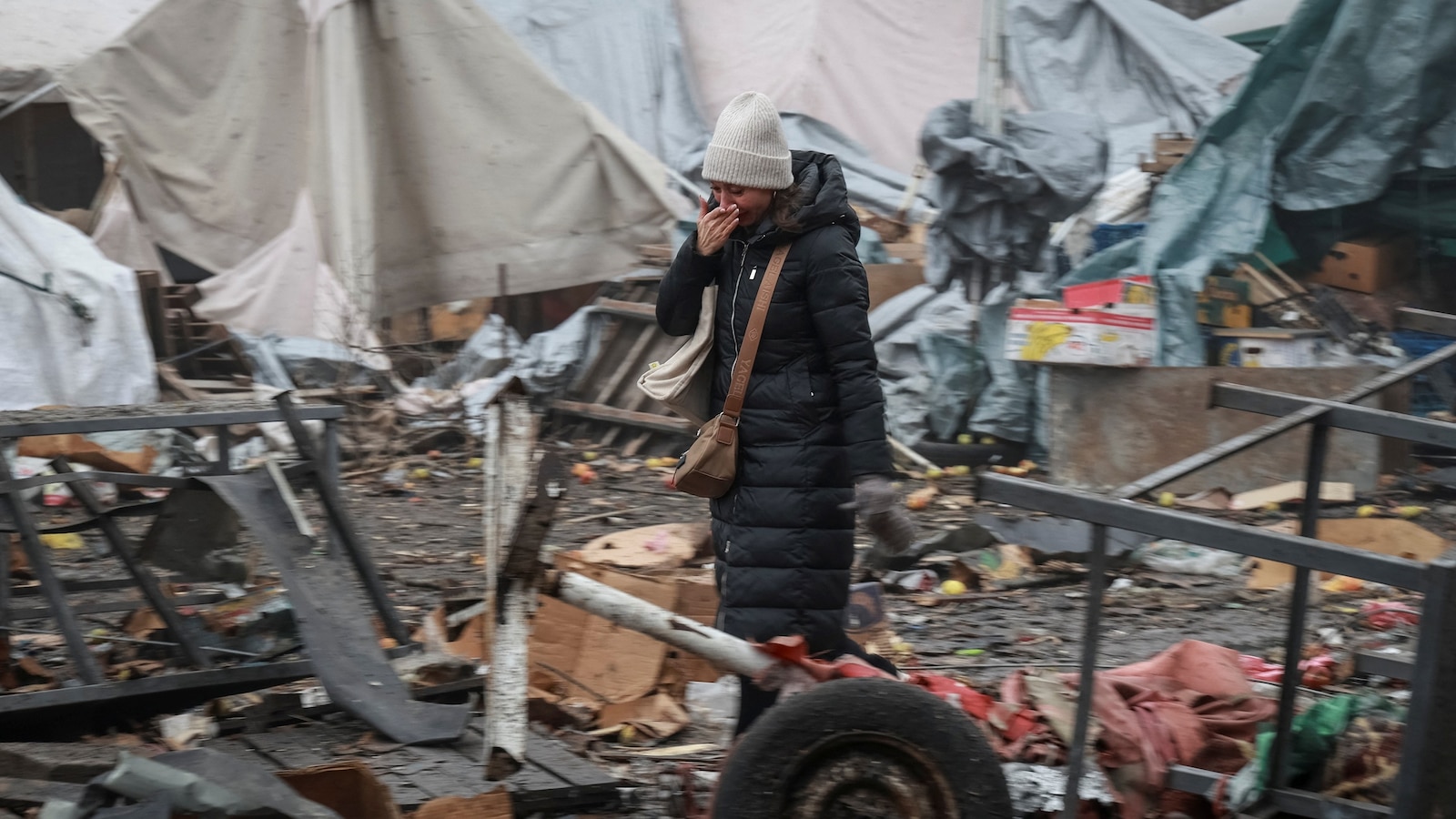
The human cost of these strikes was immediate and tragic. In the central city of Dnipro, four people were injured, including two young children who were caught in the violence through no fault of their own. An earlier strike on Synelnykove, a city just outside Dnipro, proved even more deadly, killing four people and injuring three others according to the regional administration. The northeastern city of Barvinkove in the Kharkiv region suffered particularly severe damage from a series of drone strikes that left at least 13 people injured, while Odesa reported one additional injury from Russian attacks. The Ukrainian Interior Ministry documented extensive damage to residential areas, critical infrastructure, and civilian buildings across the capital city of Kyiv, where at least two people were injured. Perhaps most concerning for the millions of residents trying to survive the winter, Kyiv Mayor Vitali Klitschko reported that nearly 2,600 residential buildings were left without heating due to “damage to critical infrastructure targeted by the enemy,” leaving approximately one million people in the Ukrainian capital alone without adequate heating during freezing winter conditions.
Infrastructure Damage and International Condemnation
The strategic targeting of Ukraine’s energy infrastructure has created a humanitarian crisis that extends far beyond the immediate casualties of the attacks themselves. DTEK, Ukraine’s largest private energy company, reported major damage to its energy infrastructure in Odesa, along with a direct attack on a thermal power plant that provides electricity and heating to thousands of residents. Ukrenergo, the state-run energy transmission operator, confirmed widespread power outages affecting Kyiv, Odesa, and the entire Dnipropetrovsk region, leaving millions without reliable access to electricity during the coldest months of the year. This systematic targeting of civilian infrastructure has drawn strong international condemnation, with Ukrainian Foreign Minister Andrii Sybiha describing the attacks as “Russian terror” in a statement posted to social media platform X. “Each such strike is a blow to peace efforts aimed at ending the war,” Sybiha emphasized, adding that “Russia must be forced to take diplomacy seriously and deescalate.”
President Zelenskyy echoed these sentiments while also highlighting the urgent need for enhanced defensive capabilities to protect Ukrainian civilians and critical infrastructure. “There needs to be more protection against these attacks,” he stated in a message posted to Telegram, specifically calling for increased supplies of the American-made Patriot air defense system. “The most effective defense against Russian ballistic missiles is the ‘Patriot’ system, and the supply of missiles for these systems is needed every day,” Zelenskyy explained, referencing the sophisticated surface-to-air missile platform that has proven crucial in intercepting Russian attacks. The Ukrainian president stressed the urgency of expediting deliveries of all available air defense equipment, saying “Everything currently available in the air defense program should arrive faster.” This plea underscores the desperate situation facing Ukrainian defenders who are vastly outnumbered in terms of available defensive missiles compared to the volume of attacks Russia can sustain through its larger military-industrial complex.
Ukraine’s Counteroffensive and Russian Casualties
Ukraine has not remained passive in the face of Russian aggression, conducting its own extensive drone strike campaign targeting Russian military infrastructure and supply lines. The Russian Defense Ministry acknowledged that its forces shot down 106 Ukrainian drones overnight into Thursday morning, indicating the significant scale of Ukraine’s retaliatory operations. In Russia’s Belgorod region, which borders Ukraine, Governor Vyacheslav Gladkov confirmed that two people were killed in Ukrainian drone attacks, with at least 15 others injured across the region. Gladkov also reported that Ukrainian forces fired several missiles into the area, demonstrating Kyiv’s capability to strike back against Russian aggression. Local officials in the Volgograd, Tambov, and Voronezh regions reported damage to industrial sites and falling drone debris in or close to residential areas, forcing Russia’s federal air transport agency, Rosaviatsiya, to implement temporary flight restrictions for airports in Kaluga, Volgograd, Saratov, Yaroslavl, Kotlas, Ukhta, Perm, and Kirov—a significant disruption to civilian air travel.
Ukraine’s General Staff issued a statement claiming that among the targets successfully struck were strategically important Russian military facilities, including the main arsenal of Russia’s missile and artillery forces located in the Volgograd region. “This arsenal is one of the largest ammunition storage sites of the Russian army,” the General Staff emphasized, highlighting the military significance of Ukraine’s counteroffensive operations. These Ukrainian strikes serve multiple strategic purposes: they degrade Russia’s ability to sustain its offensive operations by destroying ammunition and equipment stockpiles, they demonstrate to the Russian population that the war carries domestic costs, and they provide Ukrainian forces with tactical advantages by disrupting Russian supply chains and forcing Moscow to divert resources to air defense. The continued exchange of long-range strikes by both sides demonstrates that despite ongoing peace talks, neither party has shown willingness to substantially de-escalate military operations, raising concerns about the genuine prospects for a negotiated settlement.
Uncertain Future for Peace Negotiations
The ongoing peace talks have so far produced no meaningful reduction in hostilities, with both sides continuing intensive long-range strike campaigns even as diplomats discuss potential pathways to resolution. As the fourth anniversary of Russia’s February 2022 full-scale invasion approaches, the human and material costs continue to mount with no clear end in sight. Zelenskyy revealed that the United States had proposed holding a new trilateral meeting in Miami, Florida, but expressed frustration that “Russia is hesitating” to commit to the next round of discussions. “We are ready. It doesn’t matter to us whether the meeting will be in Miami or Abu Dhabi. The main thing is that there should be a result,” the Ukrainian president emphasized, making clear that Kyiv’s priority is achieving substantive outcomes rather than symbolic diplomatic gestures. Kremlin spokesperson Dmitry Peskov told journalists on Thursday that Moscow had “a certain understanding” regarding the next round of talks, stating that “We expect the next round to take place soon,” though he provided no specific timeline or commitments.
However, statements from Russian Foreign Ministry officials this week have raised serious concerns about Moscow’s genuine commitment to the peace process. Foreign Minister Sergey Lavrov suggested that the United States had drifted away from understandings supposedly reached between Presidents Donald Trump and Vladimir Putin during their August meeting in Alaska, though he provided no specific details about what those understandings entailed. Lavrov also criticized the Trump administration for failing to roll back sanctions against Russia that were implemented during Joe Biden’s presidency, suggesting that Moscow views sanctions relief as a prerequisite for serious negotiations. Both Lavrov and Foreign Ministry spokesperson Maria Zakharova attempted to shift blame for the lack of progress onto Ukraine and its European allies. “At the current stage, it is the European Union that is preventing the Kyiv regime from making any compromises in exchange for promises to provide everything necessary to continue military operations,” Zakharova claimed during a Thursday briefing. These statements reveal the fundamental disconnect between the parties: Russia continues to demand concessions from Ukraine while simultaneously escalating attacks on civilian infrastructure, creating a diplomatic environment where meaningful progress seems increasingly unlikely without significant shifts in either party’s negotiating position or the military situation on the ground.