
Russia’s Deadliest Aerial Attack of 2025 Devastates Ukrainian Cities
A Night of Terror Across Ukraine
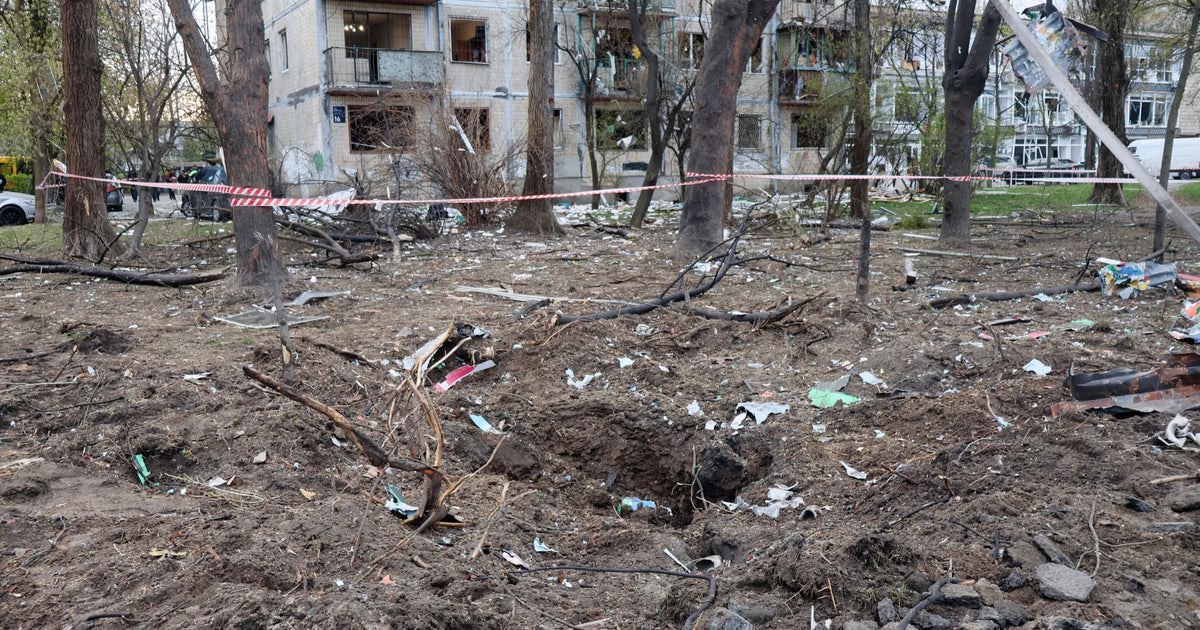
The early morning hours of Thursday brought unspeakable tragedy to Ukraine as Russia unleashed what has become the deadliest aerial bombardment of the year. According to Ukrainian officials, the massive overnight assault claimed the lives of 16 innocent civilians, including a 12-year-old child whose life was cut brutally short. Ukraine’s Defense Ministry reported that the attack was unprecedented in its scope and ferocity, involving nearly 700 drones and 19 ballistic missiles that rained down on cities throughout the war-torn nation. The scale of the assault painted a grim picture of the ongoing conflict’s intensification, as residential areas became targets and ordinary Ukrainians found themselves in the crosshairs of sophisticated military weaponry. The capital city of Kyiv experienced some of the most severe damage, with Mayor Vitali Klitschko confirming four deaths, including the young child, after a drone slammed directly into an 18-story residential building, turning what should have been a place of safety and shelter into a scene of devastation and mourning.
Widespread Destruction and Casualties
The impact of Russia’s coordinated attack extended far beyond Kyiv, reaching multiple Ukrainian cities and leaving death and destruction in its wake. In the coastal city of Odesa, regional officials reported nine fatalities as drones found their marks among residential buildings where families were likely sleeping, unaware of the approaching danger. The southeastern city of Dnipro wasn’t spared either, with two more lives lost as drones struck civilian areas there as well. The targeting of residential buildings in multiple cities suggests either a deliberate strategy to terrorize civilian populations or a reckless disregard for non-combatant lives that violates international humanitarian law. Beyond the immediate casualties, the attack created cascading effects throughout southeastern Ukraine. The cities of Mykolaiv and Kherson found themselves plunged into darkness Thursday morning after Russian forces deliberately targeted critical energy infrastructure in the region, leaving residents without power and raising concerns about access to heating, refrigeration for food and medicine, and the ability to charge communication devices during an ongoing military emergency.
Ukraine’s President Calls for Stronger International Response
In the aftermath of this devastating assault, Ukrainian President Volodymyr Zelenskyy issued a powerful and urgent appeal to the international community, emphasizing that Russia should face increased consequences rather than relief from existing sanctions. His message was clear and unambiguous: Moscow’s actions demand a stronger, not weaker, response from Ukraine’s allies around the world. “Russia is betting on war, and the response must be exactly that: we must defend lives with all available means, and we must also apply pressure for the sake of peace with the same full force,” Zelenskyy stated in a social media post that resonated with both desperation and determination. His words reflected not only the immediate horror of the attack but also a broader strategic understanding that economic and diplomatic pressure remains essential to changing Russia’s calculus about continuing the war. Zelenskyy took care to express gratitude to those nations and leaders who have stood with Ukraine, acknowledging that “every act of support truly matters for saving lives.” His recognition of international assistance came at a particularly crucial moment, as questions about continued Western support and the direction of sanctions policy created uncertainty about Ukraine’s ability to sustain its defense against Russian aggression.
Sanctions Relief and the Iran War Complication
The timing of this massive Russian attack coincided with significant developments in international sanctions policy related to Russian oil sales. A U.S. Treasury Department sanctions waiver that had permitted certain Russian oil transactions was set to expire on Saturday, creating a moment of decision for American policymakers about whether to maintain pressure on Moscow’s primary source of war funding or extend relief that had been granted for unrelated reasons. The waiver had been implemented by the Trump administration as part of efforts to stabilize global oil markets during America’s military conflict with Iran, demonstrating how interconnected international crises can create complex policy trade-offs. However, U.S. Treasury Secretary Scott Bessent announced Wednesday that the administration “will not be renewing the general license on Russian oil,” signaling that the temporary reprieve would end as scheduled. This decision to allow sanctions to snap back into place represented a potential tightening of economic pressure on Russia at precisely the moment when Ukraine’s leadership was calling for stronger international action in response to escalating military attacks on civilian populations and infrastructure.
Ukraine’s Strategic Counter-Offensive Against Russian Energy
As Russia has benefited from higher global oil prices driven by the Iran conflict and the temporary sanctions relief, Ukraine has adapted its military strategy to target the source of Russia’s war-making capacity. In recent weeks and months, Ukrainian forces have significantly increased long-range attacks on Russia’s extensive oil and gas infrastructure, attempting to reduce the revenue streams that fund Moscow’s military operations. This strategic shift represents Ukraine’s effort to strike at Russia’s economic vulnerabilities, recognizing that the Kremlin’s ability to sustain a prolonged war depends heavily on energy exports that generate billions of dollars in revenue. The targeting of refineries, pipelines, storage facilities, and other energy infrastructure deep inside Russian territory has become a key component of Ukraine’s defensive strategy, one that aims to offset the financial advantages Russia has enjoyed from elevated Brent crude prices during the period of global instability. These attacks carry significant risks, including the potential for escalation and the technical challenges of striking targets hundreds of miles from Ukrainian-controlled territory, but they reflect Kyiv’s determination to use every available means to defend against a much larger adversary with substantially greater resources.
The Reality of Modern Warfare and Air Defense
The conflicting claims about the effectiveness of air defenses from both sides illustrate the propaganda dimensions of modern warfare while also revealing the terrible reality that even sophisticated defensive systems cannot prevent all attacks. Russia’s defense ministry claimed that 207 Ukrainian drones were intercepted overnight, a statement designed to demonstrate military capability and justify the extensive air defense investments Moscow has made. Meanwhile, Ukraine’s Air Force reported downing 31 missiles and an astonishing 636 drones during Russia’s massive assault, representing a remarkably high interception rate that likely prevented even greater casualties and destruction. Yet despite these defensive successes, the fact remains that 16 people died, including a child, and critical infrastructure was damaged or destroyed. The sheer volume of projectiles launched—nearly 700 drones and 19 ballistic missiles according to Ukrainian officials—overwhelms even capable air defense systems through what military strategists call “saturation attacks.” This brutal calculus means that civilian populations remain vulnerable despite the presence of defensive technologies, and that Russia’s willingness to expend such massive quantities of drones and missiles demonstrates either substantial stockpiles or continued production capacity that sanctions have failed to constrain. For the families mourning loved ones and the cities struggling to restore power and repair damage, the statistics about interception rates offer little comfort, serving instead as a reminder that the war’s human cost continues to mount with each passing day and each new attack.