
Massive U.S.-Israeli Military Operation Targets Iran’s Strategic Infrastructure
Unprecedented Scale of Airstrikes Revealed Through Satellite Evidence
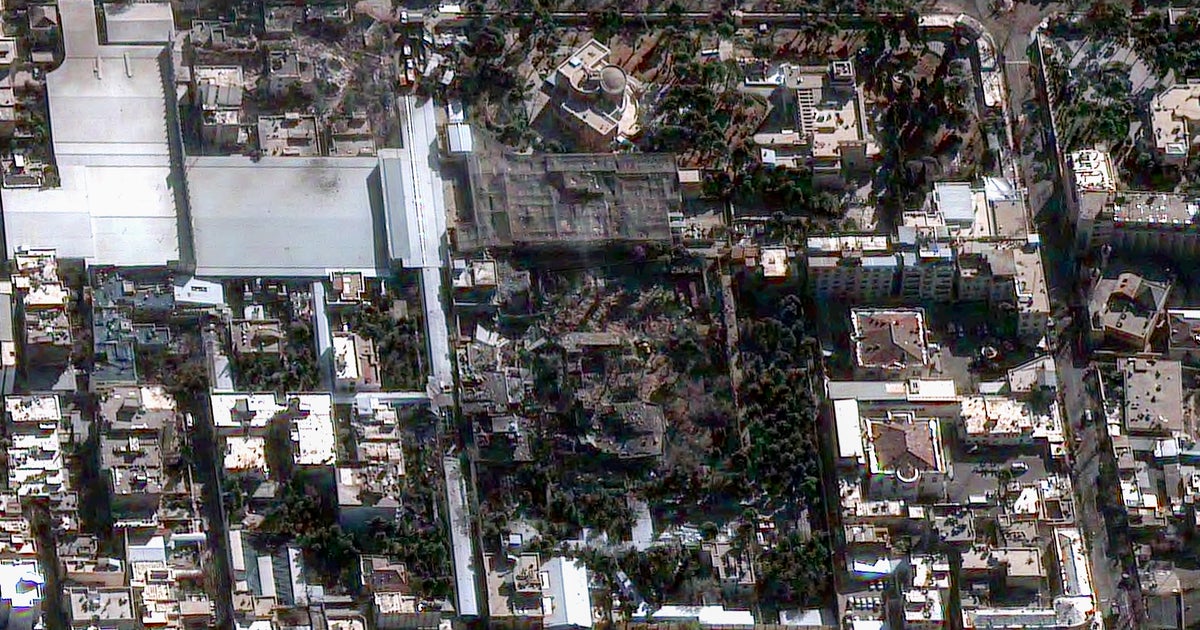
New satellite imagery obtained by Vantor over the weekend has unveiled the devastating impact of recent U.S.-Israeli coordinated military strikes across Iran. The operation, dubbed “Epic Fury” by American military planners, represents one of the most extensive military campaigns against Iranian infrastructure in recent history. According to official documentation released by U.S. Central Command, American forces alone targeted more than 1,250 distinct locations during just the first 48 hours of the operation. The military command explained that these precision strikes were carefully designed to systematically dismantle Iran’s security infrastructure, with particular emphasis on facilities and installations that intelligence assessments identified as presenting immediate threats to regional stability and American interests. The satellite images captured on Sunday and Monday provide stark visual confirmation of the operation’s scope, showing significant damage across multiple critical Iranian facilities, including drone manufacturing centers, nuclear installations, radar systems, and even a compound associated with the country’s former supreme leader.
The Targeted Elimination of Iran’s Supreme Leader
Perhaps the most consequential aspect of the military operation was the strike that killed former Supreme Leader Ayatollah Ali Khamenei, along with approximately 40 other senior Iranian government and military officials. This wasn’t a chance hit but rather the culmination of months of meticulous intelligence gathering by the Central Intelligence Agency. According to sources with direct knowledge of the operation, CIA operatives had been tracking Khamenei’s movements and patterns for an extended period, building a comprehensive picture of his security protocols and regular activities. The breakthrough came when American intelligence learned of a scheduled Saturday morning meeting at a specific compound in Tehran that Khamenei was expected to attend. This time-sensitive intelligence was immediately shared with Israeli counterparts, who coordinated their strike capabilities with American forces to execute the operation. The satellite imagery clearly shows the compound before and after the strike, with the March 1st images revealing significant structural damage to the facility where Iran’s most powerful political and religious figure met his end, marking a dramatic turning point in the decades-long confrontation between Iran and Western powers.
Nuclear Facilities Face Renewed Destruction at Natanz
The Natanz enrichment facility, one of Iran’s most important nuclear sites, found itself in the crosshairs once again during this latest round of military action. This wasn’t Natanz’s first encounter with hostile airstrikes—the facility had previously been targeted in June of the previous year during separate Israeli and U.S. operations that hit three different nuclear sites across Iran. At the time, there was considerable debate and uncertainty about how severely those initial strikes had actually damaged Iran’s nuclear capabilities and ambitions. President Trump made bold claims that the June strikes had “obliterated” the three nuclear facilities and set Iran’s nuclear program back “basically decades,” suggesting the damage was both comprehensive and long-lasting. However, Iranian officials pushed back strongly against these characterizations, with Foreign Minister Abbas Araghchi telling Fox News in January that while the physical infrastructure—the buildings and machinery—had indeed been destroyed, the underlying technological knowledge and national determination to pursue nuclear capabilities remained intact. “Yes, you destroyed the facilities, the machines, but the technology cannot be bombed, and the determination also cannot be bombed,” Araghchi argued. Satellite imagery from late January had shown that Iran was attempting to construct protective roofs over the damaged buildings at Natanz and other nuclear sites, which analysts interpreted as a possible effort to salvage valuable materials and equipment from the ruins, demonstrating Iran’s commitment to preserving whatever they could from their nuclear program.
Drone Manufacturing Capabilities Severely Damaged
Among the strategic targets hit during Operation Epic Fury was the Choqa Balk-e drone facility, located in the western regions of Iran. This facility held particular significance because Iran has developed a reputation for producing and deploying sophisticated unmanned aerial vehicles, most notably the Shahed-136 “kamikaze” drones. These weapons represent a particularly concerning threat because they’re designed as one-way attack vehicles—essentially flying bombs with built-in warheads that detonate upon impact with their intended targets. Iran has supplied these drones to various allied groups and nations, and they’ve been used in conflicts across the Middle East, raising significant concerns among Western military planners about Iran’s growing capabilities in asymmetric warfare. The before-and-after satellite images of the Choqa Balk-e facility tell a compelling story of destruction, with the March 2nd imagery showing extensive damage to structures that were intact just days earlier. By targeting this facility, U.S. and Israeli forces aimed to degrade Iran’s ability to continue producing these relatively inexpensive but highly effective weapons that have proven difficult to defend against and have been used to attack both military and civilian targets throughout the region.
Strategic Air Defense Systems Neutralized
The operation also focused on degrading Iran’s ability to detect and respond to aerial threats, as evidenced by strikes against the radar system at Zahedan airbase. This military installation is strategically positioned in eastern Iran, near the country’s borders with both Pakistan and Afghanistan, making it an important node in Iran’s air defense network and its ability to monitor aerial activity along its eastern frontiers. The satellite imagery provides a clear picture of the complete destruction of this radar installation, with the February 26th images showing an intact and presumably operational radar system, while the March 1st images reveal nothing but rubble where the sophisticated detection equipment once stood. This type of targeting reflects a comprehensive military strategy aimed not just at destroying offensive capabilities but also at blinding Iran’s defensive systems, making the country more vulnerable to future operations and significantly reducing its ability to provide early warning of incoming strikes. The methodical destruction of air defense systems like the Zahedan radar represents a classic element of modern military campaigns, establishing air superiority and freedom of operation for follow-on strikes.
Implications and the Path Forward
The scope and intensity of Operation Epic Fury mark a dramatic escalation in the long-running confrontation between Iran and Western powers, particularly the United States and Israel. By targeting not just military infrastructure but also leadership and nuclear facilities, the operation appears designed to fundamentally reshape Iran’s regional posture and capabilities. The elimination of Ayatollah Khamenei removes the figure who has guided Iranian policy for decades, potentially creating internal instability and succession struggles that could preoccupy the regime for months or even years. The renewed attacks on nuclear facilities send an unmistakable message that Western powers will not tolerate Iranian nuclear development, regardless of the diplomatic costs. Meanwhile, the destruction of drone manufacturing and air defense systems aims to degrade Iran’s ability to project power throughout the region and defend its own territory. However, as Iranian officials have pointed out, physical destruction of facilities doesn’t eliminate technical knowledge or political will. The coming weeks and months will reveal whether this massive military operation achieves its stated objectives of dismantling Iran’s security apparatus and eliminating imminent threats, or whether it simply represents another chapter in an ongoing conflict that continues to reshape the Middle East. The international community watches carefully, concerned about both the immediate humanitarian costs and the longer-term implications for regional stability.