
The Uncertain Future of Iran Following Khamenei’s Death
Leadership Vacuum Creates Questions About Iran’s Next Steps
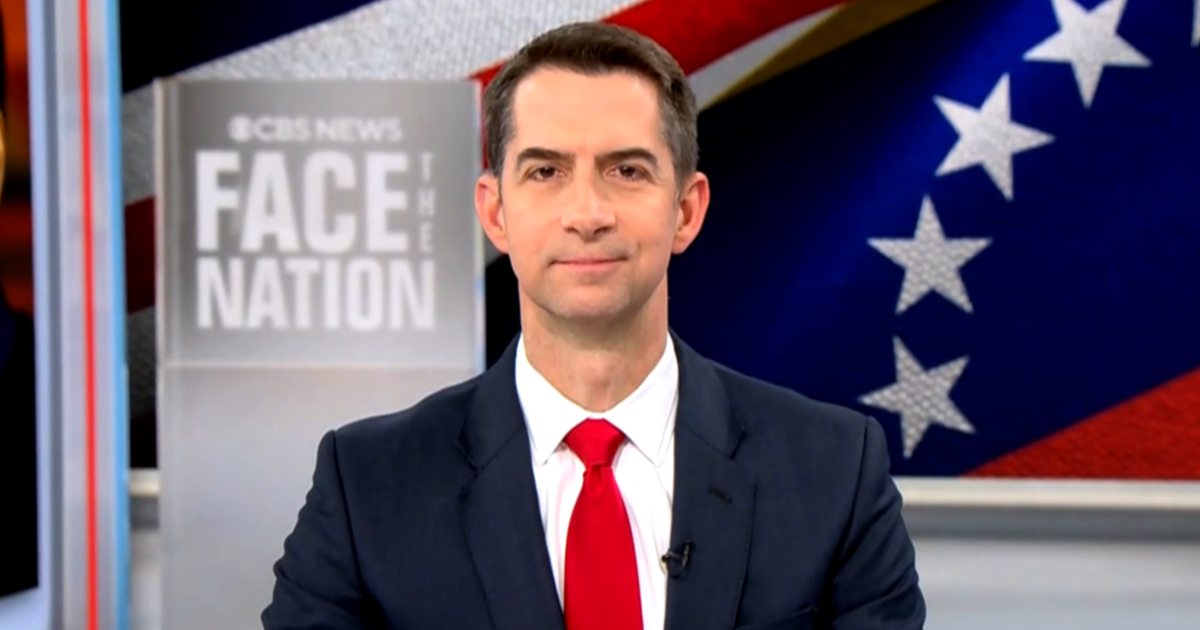
The landscape of Middle Eastern geopolitics shifted dramatically this weekend following a massive U.S.-Israeli military operation that resulted in the death of Iran’s Supreme Leader Ayatollah Ali Khamenei. Speaking on “Face the Nation,” Senate Intelligence Committee Chairman Tom Cotton acknowledged the complexity of the situation, admitting that no one can provide clear answers about who will assume leadership of the Islamic Republic. The 86-year-old Khamenei, who had governed Iran since 1989 as only the second supreme leader in the nation’s history, deliberately avoided establishing a transparent succession plan, leaving the country’s future direction uncertain. Cotton suggested that significant internal power struggles are likely already underway within Iran’s leadership circles, as various factions position themselves through the country’s traditionally consultative process for selecting a new supreme leader. This deliberative approach, combined with the sudden nature of Khamenei’s death during active military conflict, creates an unprecedented scenario that even seasoned observers of Iranian politics find difficult to predict.
Devastating Military Operations and Regional Casualties
The joint U.S.-Israeli military campaign that began Saturday and extended into Sunday represents one of the most significant direct actions against Iran in recent history. According to Iranian state media, the operations resulted in at least 200 deaths within Iran’s borders, fundamentally altering the regional security equation. Iran’s response was swift and forceful, launching retaliatory strikes against Israel and its allies throughout the Middle East. These counter-attacks killed at least six people in Israel and one person in Abu Dhabi, with dozens more wounded across multiple locations. The Israel Defense Forces confirmed during a Saturday press conference that seven high-ranking Iranian officials and military commanders perished in the strikes, including Ali Shamkhani, a close adviser to Khamenei. President Trump personally confirmed Khamenei’s death on Saturday, marking a turning point in the decades-long tension between the United States and Iran. The scale and intensity of these military operations signal a fundamental shift in how the United States and its allies are willing to directly confront Iranian power, moving beyond the proxy conflicts and economic sanctions that characterized previous approaches.
Hopes for Democratic Transition Amid Strategic Uncertainty
When discussing potential outcomes, Senator Cotton referenced Secretary of State Marco Rubio’s earlier comments from January, which emphasized the unpredictability of Iran’s political future following a regime change. Rubio had expressed hope that someone within Iran’s existing systems might facilitate a peaceful transition, though he acknowledged the difficulty of making concrete predictions. Cotton agreed with this assessment while expressing his own preference for a scenario similar to recent events in Venezuela, where Delcy Rodriguez assumed the presidency after the United States captured former President Nicolas Maduro. This comparison suggests an American hope that Iran’s transition might somehow be managed or influenced to produce a more moderate government. However, Cotton’s most revealing comments came when pressed by interviewer Margaret Brennan to identify specific potential successors. Rather than naming particular individuals or factions within Iran’s clerical establishment, Cotton pivoted to emphasizing that legitimate leadership should emerge from what he called the “opposition”—specifically, the “90 million Iranians who have suffered under the brutal Islamic Republic Revolutionary regime for the last 47 years.” This statement reflects an idealistic vision of democratic change emerging from Iran’s general population rather than from within the existing power structure.
Military Strategy: Air and Naval Focus Without Ground Invasion
Despite the dramatic escalation of military action, Senator Cotton was emphatic in assuring Americans that the administration has no plans for deploying large-scale ground forces inside Iran. This clarification came in response to President Trump’s earlier acknowledgment that American casualties were possible as part of the military operation, a statement that had raised concerns about the potential scope of U.S. involvement. Cotton explained that the American strategy centers on sustained air and naval campaigns designed to systematically degrade Iran’s military capabilities while targeting senior leadership figures within the ayatollah-led government structure. He emphasized that these strikes would continue, methodically dismantling Iran’s ability to project power regionally while eliminating key decision-makers who have directed the country’s aggressive foreign policy. However, Cotton did acknowledge one significant risk inherent in this approach: the possibility that an American aircraft could be shot down during operations. He assured viewers that President Trump would never abandon a captured or stranded pilot, confirming that combat search and rescue assets have been positioned throughout the region specifically to extract any downed aircrews. This commitment to personnel recovery is the primary scenario, according to Cotton, where American boots might temporarily touch Iranian soil, though he characterized such missions as tactical rescues rather than the beginning of an occupation or extended ground campaign.
The Challenge of Iran’s Internal Power Dynamics
Understanding who might emerge as Iran’s next leader requires recognizing the unique characteristics of the Islamic Republic’s governmental structure. Unlike conventional governments where succession follows constitutional procedures or clear hierarchies, Iran’s system involves the Assembly of Experts, an 88-member clerical body responsible for selecting and theoretically supervising the Supreme Leader. This consultative process typically involves extensive behind-the-scenes negotiations among various power centers, including the Islamic Revolutionary Guard Corps, traditional clerical establishments in Qom, pragmatic political figures, and influential families with deep connections to the revolutionary government. Khamenei’s reluctance to establish a clear succession mechanism was likely strategic, preventing any potential rival from building a power base that might challenge his authority while he lived. Now that he’s gone, this intentional ambiguity creates both risks and opportunities. Hardline elements within the Revolutionary Guard might seek to install a militantly anti-Western figure who would continue confrontational policies, while more pragmatic voices might advocate for someone capable of negotiating an end to the current crisis and potentially reopening dialogue with Western nations. International observers note that Iran’s recent economic struggles, exacerbated by sanctions and mismanagement, have created significant public discontent, particularly among younger Iranians who have known only economic hardship and international isolation. Whether this discontent can translate into meaningful political change during the succession process remains one of the most critical questions facing the region.
Regional and Global Implications of a Transformed Iran
The death of Khamenei and the ongoing military operations against Iran represent far more than a change in individual leadership; they signal a potential transformation of the entire Middle Eastern security architecture. For over four decades, Iran’s Islamic Republic has positioned itself as the leading opposition to American influence in the region, supporting proxy forces from Hezbollah in Lebanon to the Houthis in Yemen, developing controversial nuclear capabilities, and consistently challenging the existence of Israel. A change in Iranian leadership, particularly if accompanied by a moderation of these policies, could fundamentally alter regional dynamics. Israel and Sunni-majority Gulf states have found themselves in increasingly open cooperation specifically because of the perceived Iranian threat—a reduced threat could reshape these emerging alliances. Conversely, if hardliners consolidate power and continue confrontational approaches despite the recent devastating military strikes, the region could face an extended period of conflict with unpredictable consequences. American allies in Europe and Asia are watching closely, concerned about potential disruptions to energy markets and the risk of broader conflict that could draw in additional powers. The coming weeks will be critical as Iran’s internal deliberations proceed, retaliatory cycles either escalate or diminish, and the international community determines whether to engage with whatever new leadership emerges or maintain the confrontational posture that characterized relations with Khamenei’s government. Senator Cotton’s reluctance to predict specific outcomes reflects the genuine uncertainty that even well-informed officials face when confronting such a significant geopolitical transition.