
American YouTuber Sentenced to Prison in South Korea After Disrespectful Stunts
A Pattern of Provocative Behavior Leads to Legal Consequences
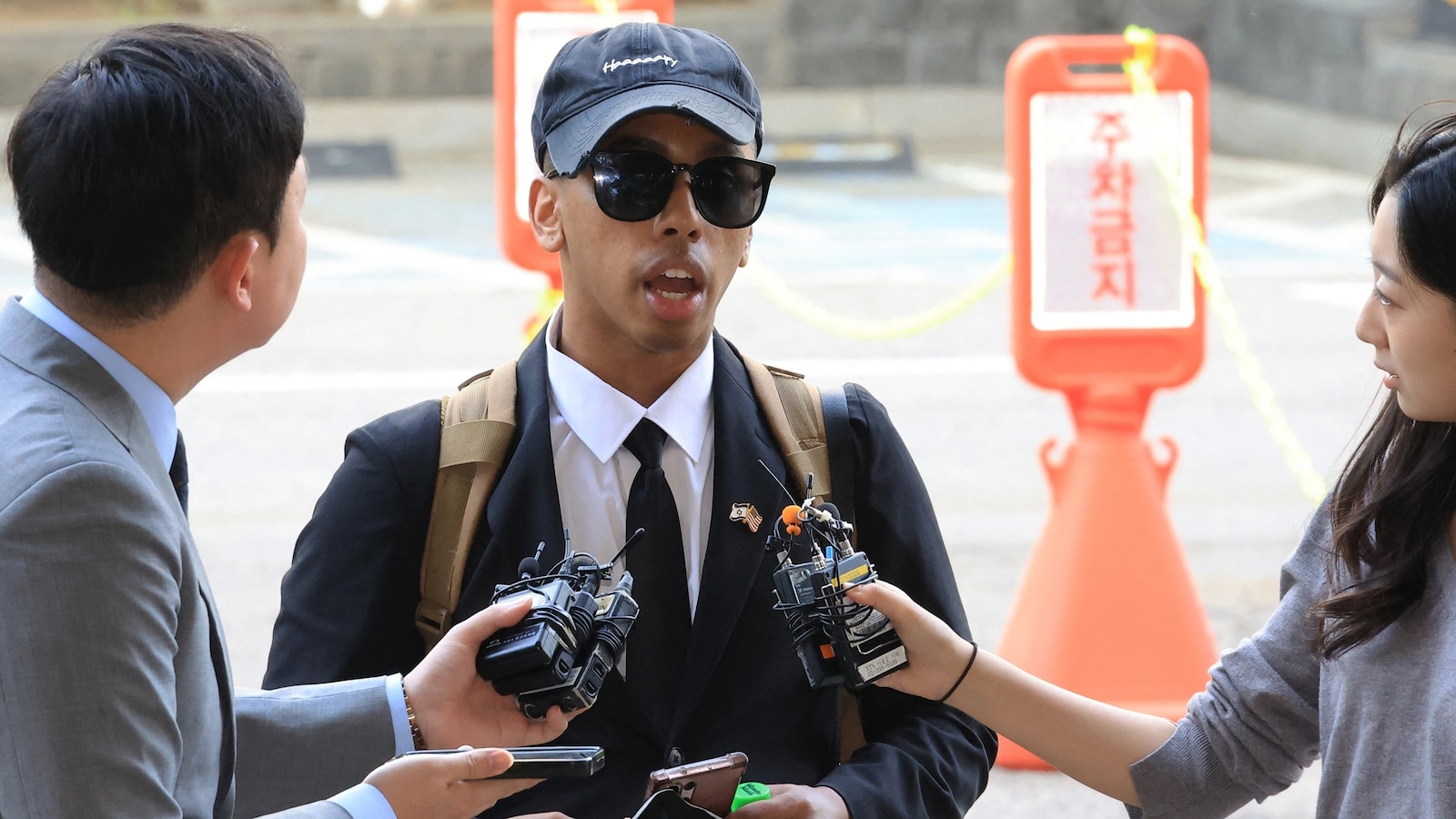
In a case that captured international attention and sparked widespread anger across South Korea, an American content creator known for deliberately controversial behavior has been handed a significant prison sentence. Ramsey Khalid Ismael, who operates online under the persona “Johnny Somali,” was sentenced to six months behind bars by Seoul’s Western District Court on Wednesday. The 25-year-old YouTuber, who proudly describes himself as an internet “troll,” faced multiple serious charges stemming from a series of offensive incidents that deeply insulted South Korean citizens and disrespected their cultural heritage. The court’s decision came after prosecutors had initially requested a much harsher three-year prison term, reflecting the severity with which South Korean authorities viewed his actions. Judge officials cited his “severe” disregard for South Korean law and noted that his behavior was clearly motivated by a desire to generate revenue through shock value on his YouTube channel, showing a calculated disrespect for the country and its people.
The Incident That Sparked National Fury
The most egregious of Ismael’s actions occurred in October 2024, when he posted a video that would become the focal point of public outrage throughout South Korea. In the footage, he was shown kissing and performing what he described as a “lap dance” on a statue of profound cultural and historical significance—a memorial dedicated to the victims of wartime sexual slavery during World War II. These statues, commonly known as “comfort women” memorials, honor the thousands of women, many of them Korean, who were forced into sexual slavery by the Japanese military during the war. For South Koreans, these monuments represent not just historical memory but ongoing pain and the quest for acknowledgment and justice for crimes that have left deep scars on the national psyche. The sexual slavery system remains one of the most sensitive and painful chapters in Korean history, and the memorials serve as solemn reminders of suffering that many feel has never been adequately addressed. Ismael’s actions were seen not merely as disrespectful but as a deliberate desecration of a sacred space meant to honor victims of one of history’s most horrific abuses.
A Catalogue of Disruptive Behavior
Beyond the statue incident, Ismael’s charges encompassed a disturbing pattern of behavior designed to shock, offend, and disrupt everyday life in South Korea. According to court documents and prosecutors, he harassed both staff members and visitors at a local amusement park, turning what should have been a pleasant experience into an uncomfortable ordeal for innocent people simply trying to enjoy their day. At a convenience store, he created chaos by blasting loud music and deliberately upending noodles onto a table, disrupting business operations and distressing both employees and customers. His disruptive behavior extended to public transportation, where he caused similar disturbances on both buses and subway cars, affecting the daily commutes of ordinary citizens. Perhaps most disturbing among the charges was his distribution of fabricated sexually explicit content—so-called “deepfake” videos created and shared without consent. These AI-generated fake videos represent a growing concern worldwide, as they can cause severe harm to victims’ reputations and emotional wellbeing. The combination of these offenses painted a picture of someone who viewed South Korea not as a country deserving respect but as a stage for generating controversial content, with no regard for the dignity, comfort, or legal rights of the people around him.
The Court’s Reasoning and Immediate Detention
When delivering the sentence, the Seoul Western District Court made clear that Ismael’s behavior warranted serious punishment and sent a message about how such conduct would be treated under South Korean law. The judges emphasized that his actions displayed “severe” disrespect for the country’s legal system and social norms, and that he had offended countless South Korean citizens through his calculated stunts. The court specifically noted that his motivation was financial gain through YouTube revenue, highlighting how he had essentially monetized disrespect and cultural insensitivity. This commercially-driven approach to causing offense appeared to weigh heavily in the court’s considerations, suggesting a premeditated quality to his actions rather than mere ignorance or cultural misunderstanding. In a decision that underscored the seriousness with which they viewed the case, the court ordered Ismael’s immediate detention following the verdict, citing him as a flight risk. This assessment proved prescient given that Ismael had been barred from leaving South Korea during the trial period, suggesting authorities had concerns about his willingness to face consequences. The immediate detention order meant that rather than remaining free pending any appeals or administrative processes, Ismael would begin serving his sentence right away, emphasizing the court’s determination to ensure justice was carried out.
The Apology and Claims of Ignorance
In the aftermath of public outrage and during his legal proceedings, Ismael attempted to walk back his actions and repair some of the damage to his reputation. Speaking to local reporters while awaiting trial, he expressed regret for his behavior and indicated a desire to apologize to the South Korean public. Following the statue incident specifically, he issued an apology claiming he had been unaware of the monument’s historical significance and what it represented. This defense of ignorance, however, rang hollow for many observers and clearly failed to sway the court’s ultimate judgment. Critics pointed out that the statues honoring comfort women victims are well-known landmarks with clear contextual indicators of their purpose, making claims of complete ignorance difficult to credit. Furthermore, even if one accepted the claim that he didn’t initially understand the statue’s meaning, his pattern of other disruptive behaviors suggested a broader attitude of disrespect rather than a single unfortunate misunderstanding. The apology appeared to many as damage control motivated by legal jeopardy rather than genuine remorse, especially given that his entire online persona was built around being a “troll” who deliberately provokes others for entertainment and profit. Whether Ismael’s expressions of regret were sincere or simply strategic attempts to minimize his legal consequences became a matter of public debate, though the court’s decision suggested they found his contrition insufficient given the severity and pattern of his offenses.
Broader Implications for Content Creators and Cross-Cultural Respect
The case of Johnny Somali raises important questions about the responsibilities of content creators, particularly those who travel internationally to produce material for online platforms. In an era where social media personalities can reach massive audiences and generate substantial income through controversial content, the boundaries of acceptable behavior and the consequences for crossing them have become increasingly important matters of public policy. Ismael’s case demonstrates that claims of being an “internet troll” or creating content for entertainment purposes do not provide immunity from legal consequences, especially when that content involves disrespecting cultural heritage, disrupting public spaces, or violating the rights of others. South Korea’s firm response sends a clear message to both foreign visitors and content creators that cultural sensitivity and respect for local laws are not optional, regardless of one’s online persona or revenue model. The case also highlights the challenge societies face in balancing freedom of expression with protecting public order and cultural dignity, particularly when provocateurs deliberately target sensitive historical trauma for shock value. For other social media personalities who build their brands around controversial content, Ismael’s six-month prison sentence serves as a stark warning that there are real-world consequences for virtual provocations. As international travel becomes more accessible and content creation more democratized, the expectation grows that creators will approach foreign cultures with respect and awareness, recognizing that their platforms come with responsibilities as well as opportunities. The prosecution and conviction of Johnny Somali may well become a reference point in ongoing discussions about digital citizenship, cultural respect in the age of social media, and the limits of controversy-driven content creation.