


Global Wildlife Protection Takes a Major Step Forward: 40 Species Added to International Conservation List
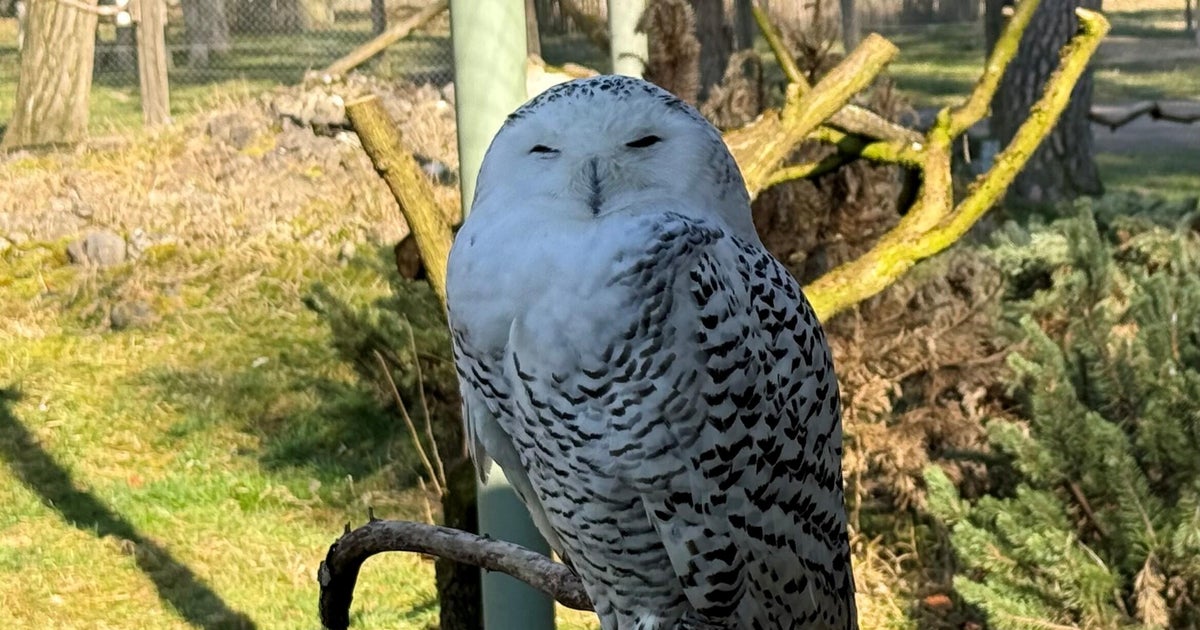
The world has taken a significant stride in protecting our planet’s most vulnerable creatures. At a landmark United Nations summit held in Brazil, representatives from 132 countries and the European Union came together with a shared mission: to safeguard the future of migratory species facing existential threats. The Convention on the Conservation of Migratory Species of Wild Animals (CMS) concluded its COP15 summit in Campo Verde, Brazil, with groundbreaking news—40 additional species have been granted international protection status. Among these newly protected animals is a creature familiar to millions of fans worldwide: the snowy owl, made famous by the beloved Harry Potter series. This decision represents more than just bureaucratic action; it’s a recognition that our world’s migratory species are in serious trouble and need immediate, coordinated global intervention.
A Diverse Array of Species Now Under Protection
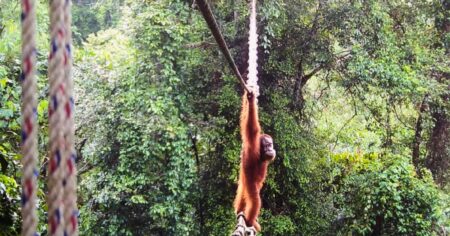
The newly protected species list reads like a who’s who of the animal kingdom, spanning continents and ecosystems. Alongside the majestic snowy owl (Bubo scandiacus), whose white plumage and piercing yellow eyes have captivated audiences on screen and in nature, several other remarkable creatures now enjoy enhanced international protection. The Hudsonian godwit, a long-beaked shorebird whose numbers have dwindled alarmingly, has been recognized as threatened with extinction. The ocean’s depths are represented by the great hammerhead shark, a creature whose distinctive head shape has fascinated humans for generations but whose populations have plummeted due to overfishing and habitat loss. Land mammals haven’t been forgotten either—the lightning-fast cheetah, already iconic as the world’s fastest land animal, and the often-misunderstood striped hyena both made the list. The aquatic world is further represented by the giant otter of South America, a charismatic species that plays a crucial role in river ecosystems. This diversity reflects the global nature of the biodiversity crisis—no ecosystem, no continent, and no type of animal is immune to the pressures of habitat destruction, climate change, and human activity.
Understanding What Protection Really Means
When a species is added to the CMS list, it’s not merely symbolic recognition—it carries real legal weight. Countries that have signed onto the CMS convention accept binding obligations to protect these species. This means they must actively work to conserve and restore the habitats these animals depend on for survival. They’re required to identify and remove obstacles that prevent these creatures from completing their often epic migrations—journeys that can span thousands of miles and cross multiple international borders. Perhaps most importantly, nations must cooperate with other countries that share these migratory species, recognizing that protecting an animal that crosses borders requires coordination beyond any single nation’s boundaries. This cooperative framework acknowledges a fundamental truth about migratory species: they belong to no single country, and their survival depends on the collective action of all nations along their migration routes. The summit took place in Campo Verde, nestled within Brazil’s breathtakingly biodiverse Pantanal wetlands in the southern Amazon region—a fitting location that serves as a living reminder of what’s at stake in these conservation efforts.
The Sobering Reality Behind the Action
The urgency driving these protective measures cannot be overstated. A comprehensive report released before the summit painted a disturbing picture of the state of migratory species worldwide. According to this assessment, nearly half—49 percent—of all species catalogued by the CMS are showing declining population numbers. Even more alarming, nearly one in four of these species faces the very real threat of extinction on a global scale. These aren’t just statistics; they represent the potential permanent loss of creatures that have existed for millions of years, disappearing on our watch within a matter of decades. Amy Fraenkel, the CMS Executive Secretary, captured the tension between hope and urgency in her statement following the summit: “We came to Campo Grande knowing that the populations of half the species protected under this treaty are in decline. We leave with stronger protections and more ambitious plans but the species themselves are not waiting for our next meeting.” Her words underscore a critical point—while international agreements and protection plans are essential, the clock is ticking for many species. They’re disappearing now, and conservation action must accelerate to match the speed of decline.
Freshwater Species Face Particular Peril
As if the situation for terrestrial and marine species weren’t concerning enough, another major United Nations assessment released during the summit week highlighted a crisis that often goes unnoticed: the catastrophic decline of migratory freshwater fish. These species, which undertake remarkable journeys along the world’s great river systems, are crucial not just for ecosystem health but for the millions of people whose livelihoods depend on them. From the mighty Amazon to Europe’s Danube River, freshwater fish populations are in freefall, threatened by a toxic combination of habitat destruction, overfishing, and water pollution. The potential collapse of these populations would represent both an ecological disaster and a humanitarian crisis, particularly in regions where river fish provide essential protein and economic sustenance to local communities. These freshwater migrants often travel incredible distances, navigating complex river systems to spawn, feed, and complete their life cycles. Their journeys, though less visible than the migrations of birds or terrestrial mammals, are no less spectacular—yet they occur largely unnoticed by the general public, making it harder to generate the public support and political will necessary for their protection.
The Broader Context of Global Environmental Action
The Campo Verde summit takes place against a complex backdrop of global environmental politics. Just months earlier, Brazil hosted the COP30 climate summit in the Amazonian city of Belem, bringing together leaders from nearly 200 nations to address the interconnected crisis of climate change. However, that gathering was notably missing high-level representation from the world’s three largest greenhouse gas emitters. China, the United States, and India—whose collective emissions drive much of global climate change—sent either senior delegations or no representation at all. The White House announced that no high-level U.S. officials would attend, a decision reflecting President Trump’s repeated dismissal of human-caused climate change as “a hoax.” This absence highlights a frustrating reality for conservationists: while many nations are stepping up efforts to protect migratory species and their habitats, the largest contributors to the environmental pressures threatening these species remain inconsistent in their commitment to global environmental governance. The connection between climate change and species decline is undeniable—as temperatures shift, precipitation patterns change, and extreme weather becomes more common, the habitats and migration routes that species have depended on for millennia are fundamentally altered, often faster than species can adapt. Protecting migratory species without addressing the underlying drivers of habitat loss and climate change is like bailing water from a sinking ship without fixing the hole—necessary but ultimately insufficient.
Despite these challenges, the Campo Verde summit represents a crucial step forward in international wildlife conservation. The addition of 40 species to the CMS protection list demonstrates that global cooperation on environmental issues is still possible, even in a politically fragmented world. These protections offer hope that species teetering on the brink of extinction might yet pull back from that precipice. However, as Amy Fraenkel’s words remind us, the species themselves cannot wait for political processes to catch up with ecological reality. The coming years will determine whether these international commitments translate into effective on-the-ground conservation that reverses population declines and secures the future of these remarkable creatures for generations to come.